
Essential Guide to Chemical Metering Pumps: Achieving Precision and Flexibility in Fluid Control
Learn about chemical metering pumps in this comprehensive guide, covering types, advantages, applications, and maintenance tips for precise fluid control.
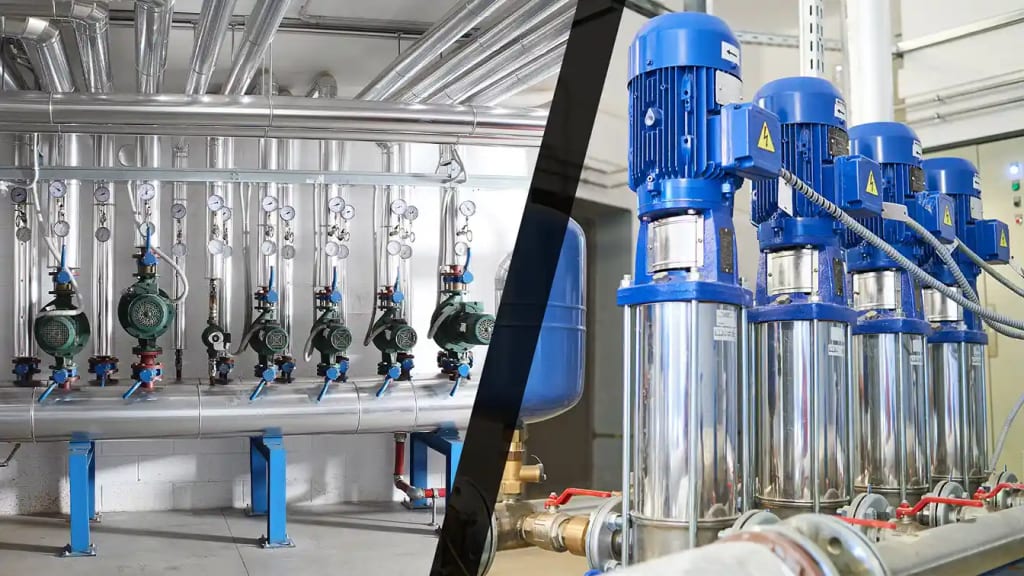
Introduction to Chemical Metering Pumps
Chemical metering pumps are precision devices designed for controlled fluid management. These pumps are essential in various industries, from water treatment and chemical processing to pharmaceuticals, agriculture, and food production. Their ability to dispense precise volumes of chemicals, often in small and highly controlled amounts, makes them a cornerstone in processes that demand accuracy. For industries reliant on regulated dosing of chemicals, metering pumps offer unmatched reliability and efficiency.
How Chemical Metering Pumps Work
A chemical metering pump operates by drawing a specified amount of fluid into a chamber and then releasing it into a system at a consistent rate. The process is cyclic and can be precisely controlled to ensure each "dose" of fluid is accurate. The primary components include a suction and discharge valve, a pump head, and a diaphragm or piston, depending on the type of pump. These components work together to control fluid movement, often enhanced by electronic systems to monitor and adjust the flow rate as needed.
Advantages of Using Chemical Metering Pumps
Metering pumps stand out for their ability to deliver exact amounts of fluid consistently, which is crucial for applications where even minor variations can lead to significant issues. Some key benefits include:
Precision: With precise control over dosing, chemical metering pumps prevent wastage and ensure optimal chemical usage, which can lead to cost savings.
Versatility: Chemical metering pumps can handle a wide range of liquids, including viscous fluids, slurries, and abrasive chemicals, making them suitable for diverse industrial applications.
Consistency and Safety: Metering pumps maintain a steady, repeatable flow, which is essential for applications requiring high levels of safety, such as handling hazardous chemicals.
Types of Chemical Metering Pumps
Chemical metering pumps come in several designs, each suited to specific applications and operating conditions. Here’s a look at some common types:
- Diaphragm Pumps
Diaphragm metering pumps use a flexible diaphragm to move fluid. As the diaphragm flexes back and forth, it draws liquid in and pushes it out. These pumps are often used for handling corrosive or hazardous chemicals because they prevent the fluid from contacting the moving parts, which reduces wear and increases pump life.
- Peristaltic Pumps
In peristaltic pumps, a flexible tube inside the pump is compressed to move fluid. This design is ideal for handling slurries and viscous fluids without contaminating the pump’s internal components. Peristaltic pumps are self-priming and can run dry, which adds to their versatility and reduces maintenance needs.
- Piston Pumps
Piston metering pumps use a piston to create pressure for fluid movement. These pumps are known for their high-pressure capabilities, making them ideal for applications requiring the precise dosing of viscous or high-density fluids. However, piston pumps typically require more maintenance than diaphragm or peristaltic pumps due to the direct contact of moving parts with the fluid.
- Digital Metering Pumps
Digital metering pumps are equipped with advanced control features that allow users to adjust flow rates and dosing amounts with digital accuracy. Often featuring electronic interfaces, these pumps are popular in applications that require programmable dosing or remote monitoring.
Selecting the Right Chemical Metering Pump
Choosing the right pump for your application is essential to achieving the best performance. Consider the following factors:
Fluid Properties: Different pumps handle different types of fluids better. For example, peristaltic pumps work well with abrasive or viscous fluids, while diaphragm pumps are ideal for corrosive chemicals.
Pressure and Flow Rate Requirements: Ensure the pump’s pressure and flow rate capacity match the requirements of your system. High-pressure applications may benefit more from piston pumps.
Operating Environment: Some pumps are more suited to challenging environments than others. For instance, diaphragm pumps are often preferred for hazardous settings as they isolate the fluid from the moving parts.
Maintenance Needs: Choose a pump based on your maintenance capacity. Digital pumps offer convenience but may be more complex, while peristaltic pumps generally require minimal upkeep.
Maintenance and Best Practices
To extend the life and efficiency of a chemical metering pump, regular maintenance and adherence to best practices are essential.
Routine Maintenance Tips: Check for leaks, ensure valves are functioning properly, and replace worn-out diaphragms, seals, and tubes as needed. Regularly flushing the pump can also prevent buildup and clogs.
Calibration: Periodic calibration is crucial to ensure the pump maintains accurate dosing. Most pumps can be calibrated by adjusting the stroke length and speed to match the desired output.
Troubleshooting Common Issues: Clogged or blocked valves are a common issue, often caused by residue buildup. Cleaning or replacing valves regularly can help prevent this. If flow rate is inconsistent, check for wear on the diaphragm or piston, as these components can degrade over time.
Conclusion
Chemical metering pumps are indispensable in industries where precise and consistent chemical dosing is essential. With advancements in digital technology, the future of chemical metering pumps points toward even greater accuracy, efficiency, and versatility. By selecting the right pump and maintaining it properly, businesses can ensure reliable, safe, and cost-effective fluid management for years to come.
About the Creator
Keep reading
More stories from Lily Scott and writers in Journal and other communities.
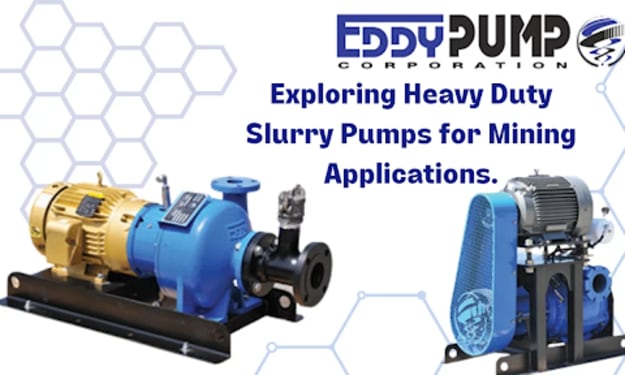
Comprehensive Overview of Slurry Pumps for Mining Applications!
1. Introduction to Slurry Pumps in Mining Slurry pumps are an essential part of mining operations, where they handle abrasive, corrosive, and viscous slurries. These pumps play a critical role in transporting mineral ores and processing fluids in mining applications, ensuring efficient and smooth operations. In this article, we will discuss the types of slurry pumps, their components, how they function in mining, and the key considerations for selecting the right pump for different mining tasks.
By Lily Scottabout a year ago in Art



Comments
There are no comments for this story
Be the first to respond and start the conversation.