
Emotional Engineering: The Psychological Impact of Amusement Equipment on Mental Health
Exploring the Psychological and Neurological Benefits of Modern Amusement Rides

Amusement equipment, often regarded as a medium of physical thrill and entertainment, plays a deeper role in influencing cognitive and emotional states. The integration of motion, sound, anticipation, and sensory immersion within amusement attractions activates neurochemical pathways associated with emotional regulation and stress relief. From the gentle rotation of a carousel ride to the visceral freefall of a drop tower, these engineered experiences are increasingly recognized for their psychological significance.
Stimulation of Neurotransmitters
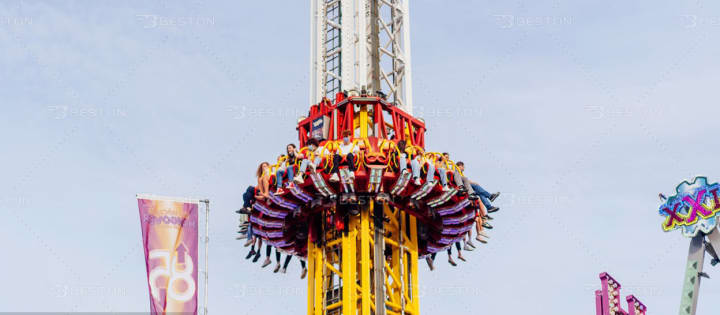
Exposure to high-intensity amusement equipment stimulates the release of key neurotransmitters. Dopamine, a neurotransmitter linked to pleasure and reward, is released during moments of excitement and achievement. The ascent and subsequent plunge of a drop tower—often perceived as a controlled confrontation with fear—can catalyze a euphoric response, momentarily overriding anxiety pathways.
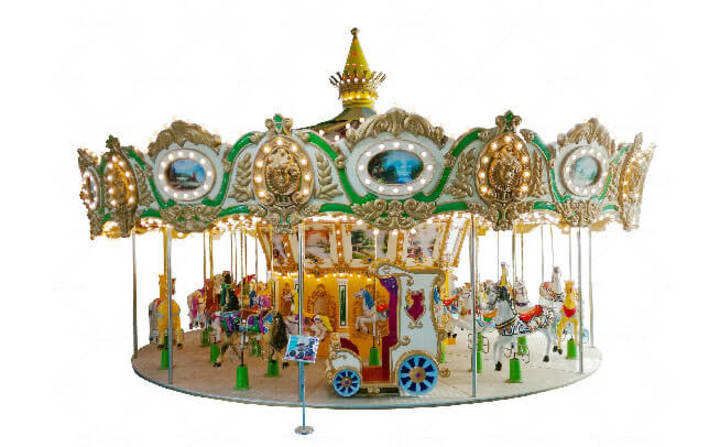
Similarly, serotonin levels can be affected by the rhythmic motion and visual stimuli of slower-paced attractions like carousel rides. These experiences promote relaxation and sensory grounding, supporting emotional balance in both children and adults.
Cortisol Reduction and Stress Modulation
Amusement rides can function as controlled stressors, allowing the body to engage in temporary, simulated danger without real risk. This calculated exposure promotes adaptive stress responses. Studies indicate that short-term activation of the sympathetic nervous system—such as the heightened alertness experienced during a drop tower descent—can lead to a net reduction in cortisol post-ride.
This principle, akin to the concept of stress inoculation, suggests that repetitive exposure to thrilling yet safe scenarios helps individuals modulate anxiety more effectively in daily life.
Catharsis and Emotional Venting
High-intensity rides offer a socially acceptable outlet for the release of suppressed emotions. The scream reflex, often triggered during sudden drops or acceleration phases, acts as a cathartic mechanism. This emotional venting is particularly notable in attractions with sudden vertical movement, such as a drop tower, where the abrupt transition induces a reflexive vocal release.
For many, the experience serves as a psychological purge, temporarily relieving tension accumulated from social or occupational pressures.
Sensory Integration and Mindfulness
Gentle motion rides, like carousel rides, support mindfulness and sensory integration—particularly in neurodivergent individuals or those with anxiety disorders. The repetitive circular movement, synchronized with ambient music and visual patterns, fosters a meditative state. This effect is amplified in environments where color schemes, light intensity, and sound frequencies are deliberately calibrated.
Such rides promote sensory regulation by engaging multiple sensory pathways in harmony, contributing to a state of present-focused awareness, often linked to reduced rumination and improved mood stability.
Cognitive Reframing of Fear
Amusement equipment enables a psychological phenomenon known as cognitive reframing. Participants willingly submit to fear-inducing stimuli within a context of safety and enjoyment. This recontextualization of fear as entertainment modifies the way individuals interpret physiological arousal—transforming it from a signal of threat into one of exhilaration.
In attractions such as a drop tower, riders anticipate a fall, brace for impact, and survive the experience without harm. This process can recalibrate internal responses to anxiety, potentially improving resilience in real-life stressful encounters.
Social Bonding and Emotional Contagion
Amusement experiences are inherently communal. Whether riding a carousel as a family or sharing a moment of collective freefall on a drop tower, these activities promote social bonding. Shared laughter, synchronized fear responses, and post-ride debriefing activate oxytocin pathways, enhancing trust and emotional closeness.
This social dimension is particularly beneficial for individuals suffering from depression or social withdrawal, offering opportunities for engagement in low-pressure, high-reward social interactions.
Stimulation of the Vestibular System
The vestibular system, responsible for balance and spatial orientation, is directly stimulated by motion-based rides. Activation of this system has been correlated with improved mood and reduced symptoms of anxiety. Repetitive motion, acceleration, and rotation experienced on both carousel rides and vertical rides contribute to neuroplastic adaptations in balance and emotional regulation centers within the brain.
This neuro-physiological engagement can offer therapeutic value for individuals with sensory processing disorders, ADHD, or trauma-related symptoms.
Eustress Versus Distress: The Role of Perception
Amusement rides straddle the boundary between eustress (positive stress) and distress (negative stress). The determining factor often lies in individual perception. For some, the ascending phase of a drop tower is a source of anticipatory joy; for others, it can provoke hyperarousal and panic.
Understanding this distinction is vital in designing rides and environments that accommodate a range of psychological profiles. The inclusion of escape paths, transparent ride instructions, and sensory-friendly areas helps ensure that thrill-seeking does not devolve into emotional overwhelm.
Therapeutic Application and Future Integration
There is growing interest in the therapeutic use of amusement equipment within clinical settings. Psychologists and occupational therapists are exploring the integration of ride-like motion systems in the treatment of PTSD, phobias, and developmental disorders. Custom-modified carousel rides are already in use in sensory integration therapy for children with autism.
Future developments may involve neurofeedback-equipped rides that adjust motion intensity in response to real-time biometric data, enabling targeted mental health interventions within amusement environments.
Conclusion
Amusement equipment, far from being mere vehicles of thrill, exerts measurable influence on mental health. Through neurochemical activation, emotional catharsis, sensory regulation, and social interaction, rides like the drop tower and carousel ride serve as tools for psychological stimulation and relief. As amusement technology evolves, so too does its potential as a medium for emotional resilience, therapeutic innovation, and mental well-being. The convergence of entertainment engineering and mental health science opens new avenues for designing experiences that delight—and heal.
About the Creator
Beston Amusement Rides
As a leading amusement facility manufacturer, we provide safe and interesting amusement equipment to customers around the world, including roller coasters, Ferris wheels, pirate ships and so on.
Website:https://bestonamusementrides.com/
Keep reading
More stories from Beston Amusement Rides and writers in Journal and other communities.
Crafting the Illusion: Core Elements of Immersive Themed Scene Design
Immersive themed scene design represents the confluence of architecture, storytelling, and sensory manipulation. It transforms static environments into living narratives, where every surface, sound, and texture contributes to a cohesive illusion. Whether constructing a fantasy attraction or a historical recreation, the success of a themed scene lies in its capacity to dissolve the boundary between the spectator and the constructed world.
By Beston Amusement Rides2 months ago in Journal


Comments
There are no comments for this story
Be the first to respond and start the conversation.