
"Elon Musk’s $1 Million Daily Giveaway: Is It Crossing the Legal Line?"
What Is Elon Musk's $1 Million Giveaway?

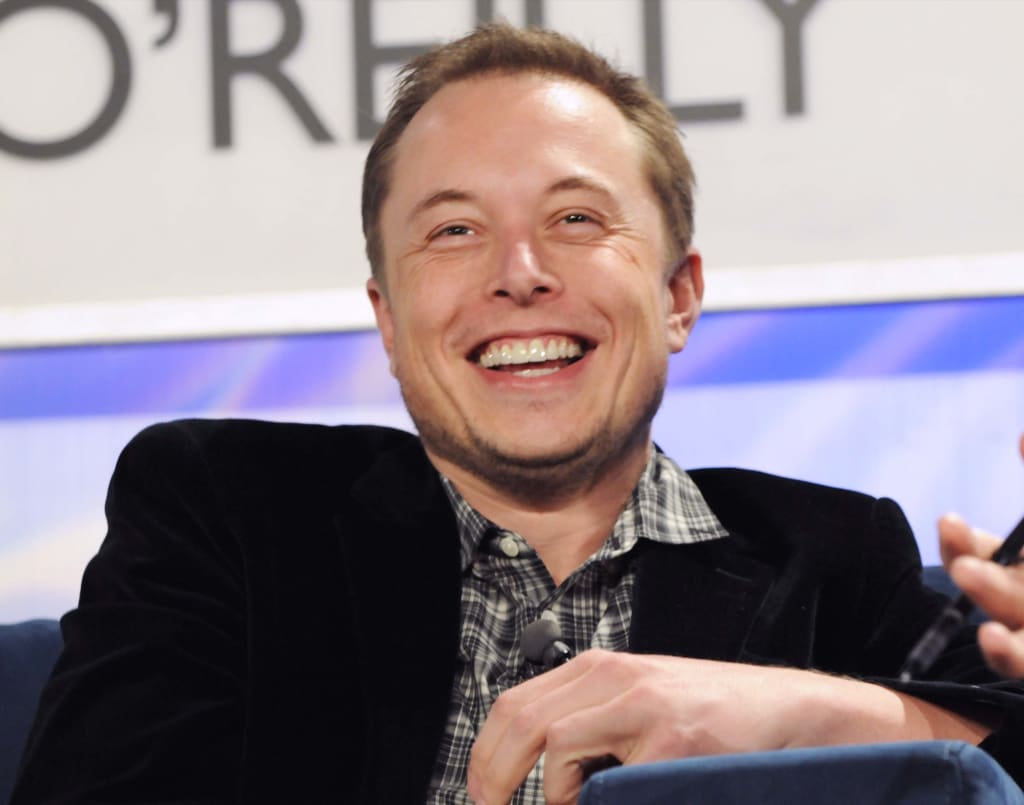
Elon Musk, the tech billionaire known for his role as CEO of Tesla and SpaceX, has once again found himself at the center of a controversial legal debate. Recently, Musk announced an audacious plan to give away $1 million daily to registered voters leading up to the 2024 U.S. Presidential Election. While his move has gained significant attention, experts are raising concerns about the legality of this initiative, suggesting it might violate federal election laws.
What Is Elon Musk's $1 Million Giveaway?
Musk announced on X (formerly Twitter) that he would be giving away $1 million every day to registered voters. The funds, according to Musk, are intended to “encourage civic engagement” and boost voter turnout for the upcoming 2024 election. Each daily winner is randomly selected from a pool of voters who have registered to vote and have followed the giveaway rules outlined on his social media platforms.
The primary motivation behind the giveaway, Musk claims, is to ensure that more people participate in the democratic process, particularly younger and tech-savvy voters. Musk’s platform X, with its millions of followers, offers him a wide-reaching audience to promote voter participation.
However, what seems like a philanthropic move has set off alarms in the legal community, with experts suggesting it could be more problematic than it appears.
The Legal Debate: Is It Illegal?
The biggest question surrounding Musk’s daily giveaway is whether it violates U.S. election law. According to election law experts, the issue isn’t just about Musk’s money but how it’s being distributed and who it is targeting. Here's why:
Potential Violation of Federal Campaign Finance Laws: Federal election law places strict limits on how money can be used to influence elections. One of the primary concerns here is whether Musk’s giveaway could be classified as an in-kind donation to influence voters or encourage certain political outcomes. While the giveaway is ostensibly nonpartisan, the fact that it targets registered voters raises red flags.
According to the Federal Election Campaign Act (FECA), any effort to influence federal elections must be carefully regulated, particularly regarding monetary contributions. Legal experts argue that by incentivizing voting with the promise of financial rewards, Musk’s actions might be construed as an attempt to influence voter behavior.
Concerns Over Vote Buying: The concept of “vote buying” refers to offering money or goods to voters in exchange for their support for a particular candidate or issue. While Musk isn’t explicitly telling voters whom to vote for, experts argue that offering money solely to registered voters could be interpreted as a subtle form of vote buying.
Paul S. Ryan, a campaign finance attorney, has expressed concerns over the legal implications of this giveaway. “Even if Musk isn’t directly asking people to vote for a specific candidate, offering financial incentives to voters could fall under illegal electioneering practices,” says Ryan. Vote buying, in any form, is a violation of 18 U.S.C. § 597, which prohibits financial exchanges in return for votes.
State Law Variations: Apart from federal laws, each state in the U.S. has its own set of election laws. Some states, like California and New York, have stringent laws about incentivizing voters. Legal analysts believe that even if Musk isn’t technically violating federal law, his actions could fall afoul of state regulations. These rules aim to preserve the sanctity of voting, ensuring it remains free of undue influence.
What Happens Next? Potential Consequences
As of now, there hasn’t been any formal legal action taken against Musk or his team regarding the $1 million daily giveaway. However, election law experts believe that it’s only a matter of time before federal or state authorities take a closer look at the initiative.
Should the Federal Election Commission (FEC) or other legal bodies decide to investigate Musk’s actions, he could face penalties for violating election laws. These penalties could include fines, an order to stop the giveaway, or even legal battles that might force Musk to rethink his strategy.
Another potential consequence is that Musk’s reputation as a business leader and public figure could be further impacted. He has previously faced scrutiny for his social media behavior and management decisions at Tesla and X (formerly Twitter), and this latest controversy could add to that growing list of public relations challenges.
What Voters Need to Know
If you’re a registered voter who’s been considering participating in Musk’s daily giveaway, it’s essential to understand the potential legal implications. While the idea of winning $1 million is undoubtedly appealing, participants should be aware that their involvement could become subject to scrutiny if the FEC or other authorities deem the giveaway illegal.
Musk’s campaign to increase voter turnout is part of a broader effort to engage more people in the democratic process, but it’s crucial that such efforts remain within the bounds of the law.
Final Thoughts
Elon Musk’s $1 million daily giveaway has certainly succeeded in generating buzz, but it has also attracted the attention of legal experts who argue that it might be skirting U.S. election laws. As we approach the 2024 election, this controversy raises important questions about how far wealthy individuals and public figures can go in encouraging voter participation.
As the situation continues to develop, it will be interesting to see how legal authorities respond and whether Musk will be forced to alter or cease his giveaway.
In the meantime, voters should stay informed and be cautious about participating in such initiatives, ensuring they don’t inadvertently break any laws.
References
About the Creator
Global News Update
It cover a wide range of topics including politics, economics, technology, environment, and more from around the world. They often provide insights into significant events, trends, and developments impacting various regions globally.
Keep reading
More stories from Global News Update and writers in Journal and other communities.
Hamas Leader’s Death and Intensified Middle East Conflict: Latest Updates
The Middle East continues to be engulfed in conflict, as tensions between Israel and Hamas escalate in the Gaza Strip. The latest developments include the death of Yahya Sinwar, a key Hamas leader, and the ongoing violence across the region. These events have far-reaching implications for the political landscape in the Middle East, with both sides digging in for a prolonged confrontation.
By Global News Updateabout a year ago in Journal
Author’s Advice
If you would’ve asked me 20 years ago did I know I’d become a writer and an author, I would’ve said “nope, ain’t happening”. As fate would have it I did become an author and I can honestly say I’m loving it so far. It really does feel good to be a writer. I’ve learned a lot on this journey and I feel like with even me being as new to this world as I am, there’s some wisdom I need to share with every other aspiring author.
By Joe Patterson5 days ago in Journal
How M&A Consulting Firms Support Change Management and Cultural Synergy
Introduction to M&A Consulting and Organizational Transformation Mergers and acquisitions (M&A) represent one of the most complex strategic maneuvers in modern corporate ecosystems. Organizations pursue M&A to accelerate growth, acquire capabilities, expand markets, or achieve economies of scale. Yet, despite the strategic intent, many deals fail to deliver the anticipated value. Research indicates that between 70% and 90% of M&A transactions fail to achieve expected outcomes, often due to cultural conflicts, leadership misalignment, and inadequate change management strategies.cThis reality underscores the importance of M&A consulting firms. These specialized advisors guide organizations through the intricate process of integration, ensuring operational continuity while fostering cultural cohesion. Their role transcends financial due diligence. Instead, they orchestrate a holistic transformation that harmonizes people, processes, and organizational values.
By Fida Hassain7 days ago in Journal
A Transparent Look at Vocal Challenges and Top Stories
Almost three years ago, we shared a resource article that served as a place for people to suggest new challenge prompts. We thought it would be a good idea to refresh that thread, and take the opportunity to answer a few common questions about top stories, how challenges are judged and how submissions are reviewed.
By Vocal Curation Team4 days ago in Resources




Comments
There are no comments for this story
Be the first to respond and start the conversation.