
Elon Musk Resigns from Trump’s Government Efficiency Task Force Over ‘Big Beautiful Bill’ Disappointment
Musk steps down after clashing with Trump over a costly new bill and cuts to clean energy.

Introduction: A Sudden Exit with Strong Implications
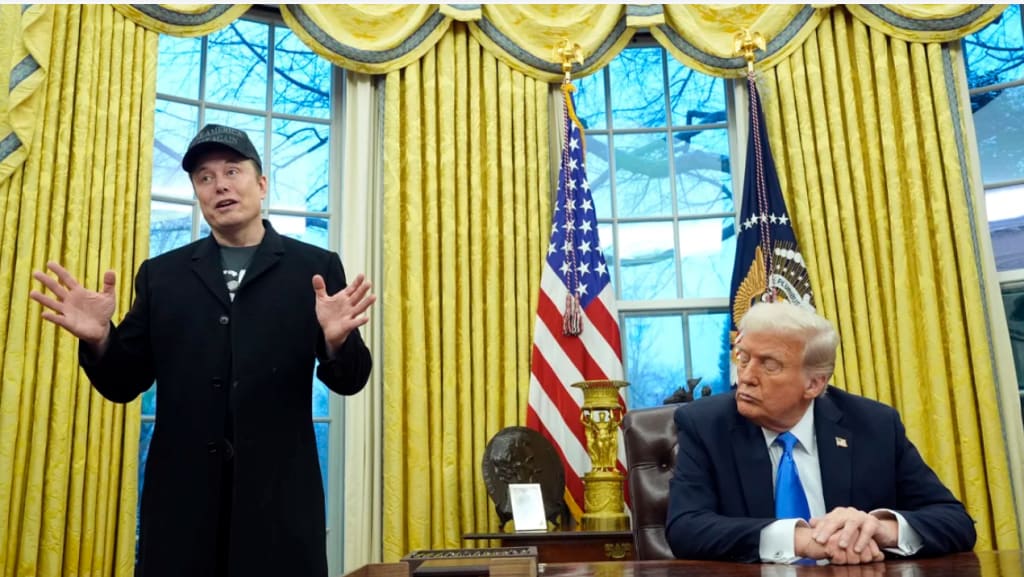
Elon Musk has officially resigned from his role as a Special Government Employee in President Donald Trump’s Department of Government Efficiency (DOGE). This task force was created to reduce government spending and improve federal operations. Musk’s departure came after 130 days of service, during which tensions grew between him and the administration, especially over economic policy.
130 Days of Efficiency: Musk's Short Government Role
Musk’s appointment to DOGE had a legal time limit of 130 days. Still, his resignation wasn’t just about time—it was also about principle. The trigger was a newly introduced piece of legislation known as the "One Big Beautiful Bill" (OBBB). Musk strongly disagreed with the bill, which proposed a mix of tax cuts and new spending. He believed it would grow the federal deficit and undermine the mission of DOGE.
What Is the 'One Big Beautiful Bill'?
The OBBB aimed to simplify government finances by combining several policies into a single law. However, critics—including Musk—felt it did the opposite. Originally, Musk targeted $2 trillion in federal spending cuts. That goal was later revised to $150 billion by 2026. Musk argued the new bill would undo progress by adding unnecessary spending and reducing efficiency.
He famously said, “A bill can be either big or beautiful, but not both,” expressing his disapproval of the administration’s direction
Musk's Fiscal Discontent and Public Disapproval
Musk did not hold back from criticizing specific parts of the OBBB, especially those involving clean energy. The bill proposed ending tax credits for electric vehicles, including a $7,500 incentive. For Musk and Tesla, this was a major blow to the clean energy industry.
He argued that removing such benefits would slow down the shift toward renewable energy. This went against what DOGE was supposed to stand for—efficiency, innovation, and sustainability.
Clean Energy Cuts: The Breaking Point
For Musk, the final straw was the bill's attack on clean energy efforts. As CEO of Tesla, SpaceX, and xAI, Musk has long promoted cleaner, smarter technologies. The OBBB’s rollback of green policies conflicted directly with his goals. It made sense for him to return full-time to his companies and continue leading their innovation-focused missions
In a statement posted on X (formerly Twitter), Musk thanked Trump for the opportunity but confirmed that he was stepping away to refocus on his business ventures, especially plans like Mars colonization
Focusing on Innovation Over Politics
Although Musk has resigned, sources say he and President Trump remain on friendly terms. The White House confirmed his departure and acknowledged his contributions to the task force. Officials said they hope DOGE will continue working toward reducing wasteful government spending under new leadership.
The Bigger Picture: Can Private Logic Fix Public Spending?
Musk's exit raises a larger question: Can business strategies solve government problems? His time at DOGE shows that private-sector methods often clash with political realities. Despite his big ideas and bold targets, the political process made real change hard to achieve
Musk’s resignation also highlights a growing divide between private visionaries and public policymakers. While business leaders often seek quick results and bold changes, governments must balance multiple interests, public accountability, and long-term planning. Musk’s exit sends a message that true reform in public systems requires more than bold ideas—it requires collaboration, patience, and political will. Whether DOGE can still meet its goals without Musk remains to be seen, but his departure has already changed the conversation around efficiency and innovation in the public sector.
Elon Musk has officially resigned from his role as a Special Government Employee in President Donald Trump’s Department of Government Efficiency (DOGE). This task force was created to reduce government spending and improve federal operations. Musk’s departure came after 130 days of service, during which tensions grew between him and the administration, especially over economic policy.
130 Days of Efficiency: Musk's Short Government Role
Musk’s appointment to DOGE had a legal time limit of 130 days. Still, his resignation wasn’t just about time—it was also about principle. The trigger was a newly introduced piece of legislation known as the "One Big Beautiful Bill" (OBBB). Musk strongly disagreed with the bill, which proposed a mix of tax cuts and new spending. He believed it would grow the federal deficit and undermine the mission of DOGE.
What Is the 'One Big Beautiful Bill'?
The OBBB aimed to simplify government finances by combining several policies into a single law. However, critics—including Musk—felt it did the opposite. Originally, Musk targeted $2 trillion in federal spending cuts. That goal was later revised to $150 billion by 2026. Musk argued the new bill would undo progress by adding unnecessary spending and reducing efficiency.
He famously said, “A bill can be either big or beautiful, but not both,” expressing his disapproval of the administration’s direction
Musk's Fiscal Discontent and Public Disapproval
Musk did not hold back from criticizing specific parts of the OBBB, especially those involving clean energy. The bill proposed ending tax credits for electric vehicles, including a $7,500 incentive. For Musk and Tesla, this was a major blow to the clean energy industry.
He argued that removing such benefits would slow down the shift toward renewable energy. This went against what DOGE was supposed to stand for—efficiency, innovation, and sustainability.
Clean Energy Cuts: The Breaking Point
For Musk, the final straw was the bill's attack on clean energy efforts. As CEO of Tesla, SpaceX, and xAI, Musk has long promoted cleaner, smarter technologies. The OBBB’s rollback of green policies conflicted directly with his goals. It made sense for him to return full-time to his companies and continue leading their innovation-focused missions
In a statement posted on X (formerly Twitter), Musk thanked Trump for the opportunity but confirmed that he was stepping away to refocus on his business ventures, especially plans like Mars colonization
Focusing on Innovation Over Politics
Although Musk has resigned, sources say he and President Trump remain on friendly terms. The White House confirmed his departure and acknowledged his contributions to the task force. Officials said they hope DOGE will continue working toward reducing wasteful government spending under new leadership.
The Bigger Picture: Can Private Logic Fix Public Spending?
Musk’s resignation raises a larger issue: Can private sector methods really work in government? His experience shows that business leaders, who rely on speed and bold decisions, often face serious obstacles in the public sector. Government systems are slower and must follow political rules, public oversight, and budget limits.
Musk time in office revealed just how difficult it is to bring innovation and cost-cutting ideas into a complex political system.
Conclusion: A Resignation That Speaks Volumes
As DOGE moves forward with a new leader, it still faces the difficult job of cutting costs and improving efficiency. Musk’s departure is more than just a career change—it’s a sign of the ongoing struggle between innovation and politics. His experience shows how hard it is to bring Silicon Valley speed and savings into Washington’s slow-moving system.
Musk’s resignation also highlights a growing divide between private visionaries and public policymakers. While business leaders often seek quick results and bold changes, governments must balance multiple interests, public accountability, and long-term planning. Musk’s exit sends a message that true reform in public systems requires more than bold ideas—it requires collaboration, patience, and political will. Whether DOGE can still meet its goals without Musk remains to be seen, but his departure has already changed the conversation around efficiency and innovation in the public sector.
About the Creator
Saad
I’m Saad. I’m a passionate writer who loves exploring trending news topics, sharing insights, and keeping readers updated on what’s happening around the world.
DIY Cowboy Hat Business: Costs and Supply Chain
Last week, a U.S. client reached out to us, looking for help sourcing pure wool felt cowboy hats and all kinds of hat accessories. At first, it didn’t seem unusual, but as we talked more, we realized her main business is actually running a few bars. And she plans to sell these hats in the bars. Surprisingly, this has now turned into a fast-growing, high-ticket, social DIY experience that’s really blowing up in her country.
By Jingsourcing.com 5 days ago in Journal
Miss Persephone's Manual to a Seemingly Ordinary Life
Miss Persephone was found at the dining table, her blue eyes swollen, her tears arriving and retreating like the tides of the ocean. Earlier that day, her family had visited her in the retirement home where she had lived for eight years. It was her eightieth birthday.
By Imola Tóth3 days ago in Fiction


Comments
There are no comments for this story
Be the first to respond and start the conversation.