
Eid-ul-Adha: A Sacred Celebration of Sacrifice, Faith, and Unity
"Honoring Faith and Compassion: The Spiritual Legacy of Eid-ul-Adha Across Cultures"
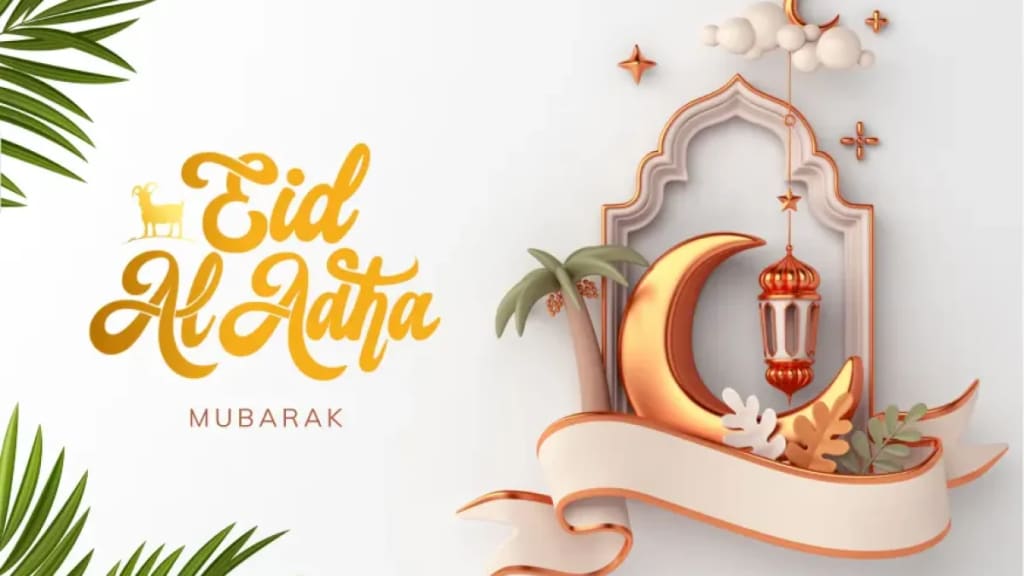
Every year, many Muslims all over gather to celebrate EidulAdha, sometimes known as the Feast of Sacrifice. On the tenth day of Dhul-Hijjah, the last month of the Islamic lunar calendar, this significant holiday with great historical and spiritual significance is observed. EidulAdha is more than just a festival; it's a powerful reminder of faith, devotion, and empathy.
The Story Behind the Sacrifice
EidulAdha revolves mostly on the great narrative of Prophet Ibrahim, also known as Abraham. According to Islamic tradition, God (Allah) commanded Prophet Ibrahim in a dream to give Ismail (Ishmael), his beloved son, as a sacrifice. With real faith and obedience, Ibrahim geared himself to carry out this instruction. Allah stepped in and offered a ram as a stand-in just before he was scheduled to make the sacrifice. This occasion put Ibrahim's faith to the test, which he passed triumphantly.
Muslims all across the world celebrate this moment of unflinching submission via reflective thought and symbolic acts rather than by simple replication. The sacrifices made during Eid go beyond animals; they signify submitting to God's will, letting go of what we value dearly for a higher cause, and spreading our good to those in need.
The Ritual of Sacrifice
Qurbani, which involves offering a halal animal like a goat, sheep, cow, or camel, is a fundamental custom during EidulAdha. Though every Muslim is not required to join, it is advised for those with the money. Usually, the meat is divided into three roughly equal pieces:
• one for the family
• one for friends and relatives
• and one for the poor and less privileged.
This approach of sharing highlights Islamic values of justice, community spirit, and charity. In many parts of the world, the meat from Qurbani is a crucial source of nourishment for needy families, hence this gesture is a significant display of compassion and inclusion.
A Global Celebration
Though celebrations vary by culture and location, EidulAdha's core is felt all over. Bright decorations, busy markets, and communal prayers abound in nations like Saudi Arabia, Pakistan, Indonesia, Egypt, and Nigeria.
In Western countries, Muslims frequently gather at mosques or parks for prayer and celebration. Large congregations at mosques are typical as worshippers come together for the Eid salah (prayer), followed by sermons focusing on themes of sacrifice, thankfulness, and faith. Reflecting the variety of the communities, these occurrences sometimes combine modern and traditional elements. Still, the main idea is always the same: a shared show of love and loyalty wherever it happens.
The Connection to Hajj
Eid-ul-Adha is intimately tied to Hajj, the annual Islamic pilgrimage to Mecca, which is one of the Five Pillars of Islam. Every year, millions of Muslims travel to the holy city to perform rituals that commemorate the trials of Prophet Ibrahim and his family. The sacrifice performed during Eid-ul-Adha parallels the animal sacrifices carried out during Hajj.
Those who are not on pilgrimage still feel spiritually connected through their own observance of the Eid rituals. It becomes a moment of global unity, where Muslims across all continents are spiritually linked by their shared acts of devotion.
Modern Relevance and Meaning
EidulAdha takes on even more relevance in our fast and sometimes contradictory society. This festival inspires us to:
• Examine the sacrifices we are willing to make for our values.
• Be kind to people in need.
• Develop closer relationships with our families and society.
• Practice humility and appreciate the blessings we generally ignore.
Muslims are motivated to integrate these principles into daily life by observing them during the festival, which emphasizes essential values that EidulAdha does.
Sustainability and Ethical Practices
In recent years, there has been growing awareness about ethical animal treatment and environmental sustainability during Eid-ul-Adha. Many communities now emphasize sourcing animals responsibly and ensuring humane treatment throughout the process. In some urban areas, digital platforms and organizations facilitate Qurbani by allowing individuals to sponsor sacrifices in underdeveloped regions, where the meat is most needed.
This shift represents a fusion of tradition and modern responsibility—holding on to spiritual obligations while being mindful of the world around us.
More Than a Holiday
EidulAdha is fundamentally a moment of spiritual renewal rather than just a religious occasion. Muslims are inspired to assess their beliefs, express gratitude, and exhibit compassion on this day. It honors ideals that transcend material goods, stressing values that are inherently human and worldwide significant.
As friends gather to savor lovingly prepared meals, as youngsters receive new clothes and treats, as communities come together in joy, EidulAdha serves as a vivid reminder that faith is something one experiences, experiences, and shares.
Final Thoughts
EidulAdha is a major festival combining joy with meditation, happiness with spirituality, tradition with volunteer work. Whatever form you choose to commemorate this day—be it through prayers, acts of sacrifice, or enjoying moments with family—the core concept remains: genuine commitment includes our readiness to contribute, share, and support each other.
As the new moon glows in the evening sky and the sounds of Eid prayers echo around us, let us all remember the strength of faith, the value of sacrifice, and the solidarity of a close-knit community.
About the Creator
Keep reading
More stories from Shahjahan Kabir Khan and writers in Journal and other communities.
🎓 Strangers in a New Land: The Real Struggles of Foreign Students in the U.S. Today
The American Dream Confronts Tough Truths For countless individuals globally, pursuing education in the United States represents a chance for hope, achievement, and possibilities. It is more than just prestigious universities or attractive campus housing—it's about starting anew in a nation famed for creativity and advancement. However, in 2025, this vision is filled with doubt for many overseas students.
By Shahjahan Kabir Khan8 months ago in Journal
The Quiet Link Between Evening Light and Restless Sleep
For a long time, I believed my restless sleep was caused by what happened in my head. Too much thinking. Too much stress. Too many unfinished thoughts that followed me into the night. I tried calming routines, earlier bedtimes, and stricter boundaries around work. Some nights improved. Many did not.
By illumipure4 days ago in Journal




Comments
There are no comments for this story
Be the first to respond and start the conversation.