
Strategic Power View – The Global Balance of Power
Strategic Power View – The Global Balance of Power

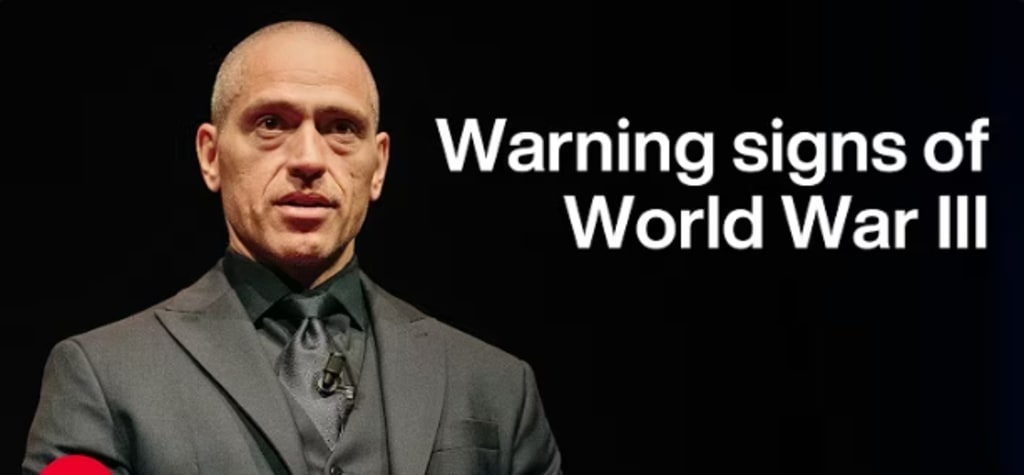
The global geopolitical stage today feels heavier, louder, and more uncertain than at any time in recent decades. Statistics coming from defense budgets, alliance structures, and conflict zones tell a clear story: power is shifting, and the rules that once governed international stability are being rewritten. Global geopolitics stats are no longer background noise for diplomats. They are signals that affect markets, borders, and everyday safety.
One of the most striking figures shaping the current world order is that over 60 percent of global military spending is concentrated in just five major powers. This level of concentration is historically rare. On the surface, it suggests strength and deterrence. Dig a little deeper, however, and it also signals fragility. When fewer actors hold more power, miscalculations carry far greater consequences. A single strategic error no longer stays local—it becomes global within hours.
At the same time, alliances are expanding at a pace not seen since the Cold War era. NATO’s growth, coupled with tighter cooperation among rival power blocs, creates a chessboard where every move is mirrored, countered, and amplified. Some argue this expansion strengthens global security. Others believe it increases the risk of accidental escalation. That debate alone has driven massive engagement across global news platforms, especially among readers trying to understand whether alliances today are shields—or sparks.
Proxy conflicts further complicate the picture. Instead of direct confrontations, powerful states increasingly support regional actors with funding, weapons, and intelligence. Statistics show proxy conflicts have increased by more than 40 percent over the last decade. For global powers, this strategy lowers political risk. For civilians living in those regions, it multiplies suffering. The uncomfortable truth is that modern geopolitics often shifts danger away from capitals and into vulnerable regions with fewer defenses.
Technology adds another layer of uncertainty. Military investment in artificial intelligence has grown by nearly 300 percent in ten years. Defense decisions that once took weeks are now made in seconds by algorithms. While AI promises efficiency, it also reduces the time available for human judgment. When machines help decide when to strike or defend, the margin for error narrows dramatically.
Diplomatic trust, meanwhile, is at a historic low. Fewer treaties are signed. More are abandoned. Sanctions replace negotiations, and public statements replace quiet diplomacy. Statistics tracking international cooperation show a steady decline in long-term agreements. This erosion of trust doesn’t just affect governments—it affects global trade, energy security, and even food supplies.
For everyday people, these strategic shifts matter more than many realize. Defense spending influences taxes. Alliance tensions affect fuel prices. Proxy wars disrupt supply chains. That’s why a growing number of readers are turning away from surface-level headlines and toward independent global news portals that explain not just what happened, but why it matters. These platforms often provide early warnings, strategic context, and risk-focused insights that help families, investors, and business owners make smarter decisions.
Checking a reliable global news hub through a blog link in bio isn’t about fear—it’s about preparation. In an era where one geopolitical decision can ripple across continents, awareness becomes a form of personal security.
The real debate remains unresolved: is the concentration of power stabilizing the world by deterring large-scale war, or quietly increasing the risk of a single mistake triggering global consequences? The answer may define the next decade.
About the Creator
Global World News
Uncover the full story behind the headlines!
🌎 Global News & Insider Insights | 💻
Check Our Global News Portal 👇
Keep reading
More stories from Global World News and writers in Journal and other communities.
Author’s Advice
If you would’ve asked me 20 years ago did I know I’d become a writer and an author, I would’ve said “nope, ain’t happening”. As fate would have it I did become an author and I can honestly say I’m loving it so far. It really does feel good to be a writer. I’ve learned a lot on this journey and I feel like with even me being as new to this world as I am, there’s some wisdom I need to share with every other aspiring author.
By Joe Patterson4 days ago in Journal
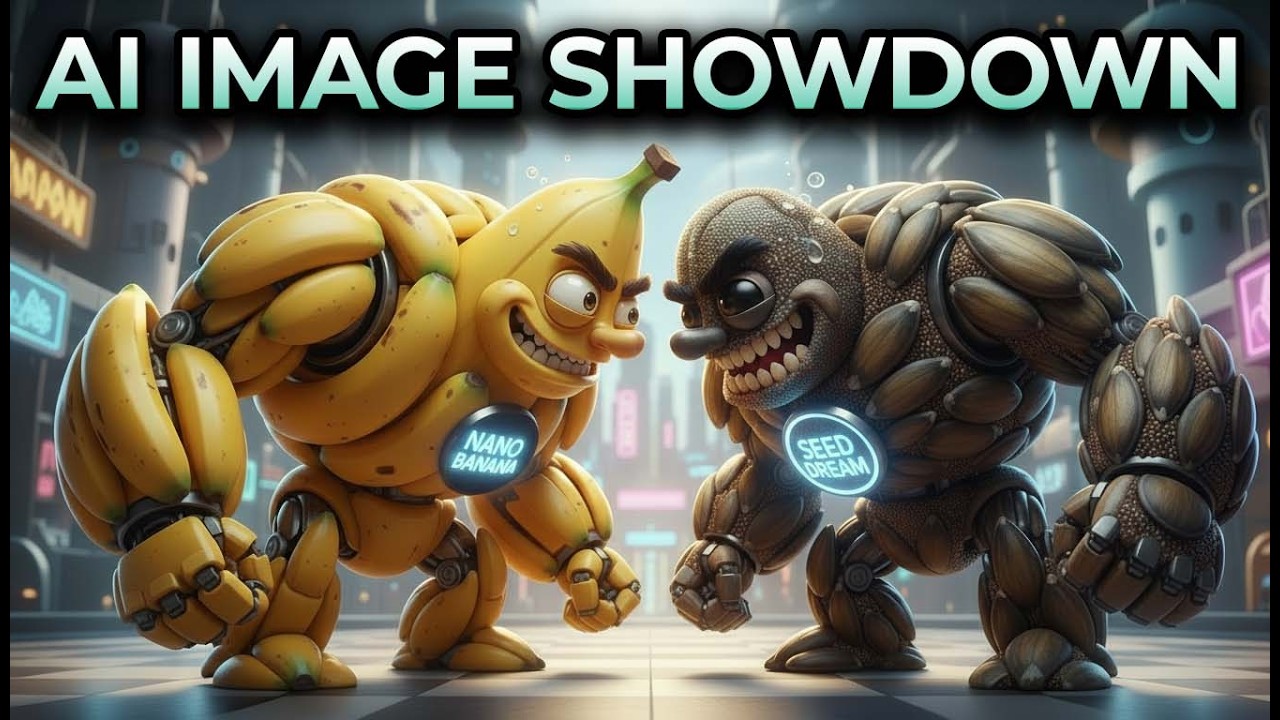
Seedream 4.5 vs. Nano Banana: AI Image Faceoff
Picking an AI image model feels like a gamble. You might love the art style of one tool but find its understanding of human anatomy terrible. I decided to run a head-to-head test between Seedream 4.5 and Google’s Nano Banana.
By Alex Tuckerabout 10 hours ago in Journal
My First Time Skiing and I Got Lost, Alone, in the French Alps
Looking back, I can trace some of my life’s biggest adventures to a simple action from my sister. She’d introduced me to Tommy (a very long time ago), a colleague of hers, who had overshared his penchant for Italian-looking women, and I ticked that box.
By Chantal Christie Weiss3 days ago in Humans



Comments
There are no comments for this story
Be the first to respond and start the conversation.