
Echoes of the Unheard
The Journey of an Orphan in Search of Love, Belonging, and Identity

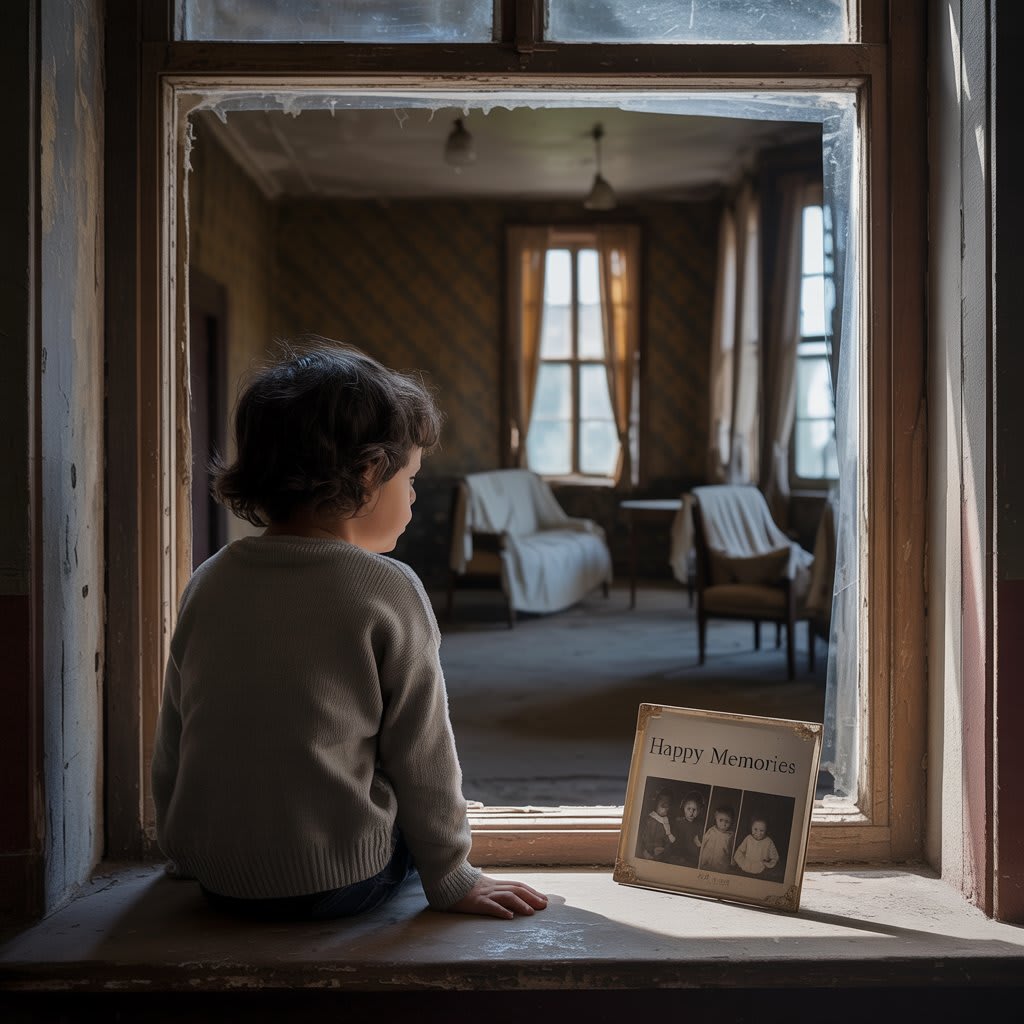
In a dimly lit orphanage nestled at the edge of a quiet town, eight-year-old Ayaan stared out of a cracked window, his small fingers tracing the fog on the glass. The world outside was cold, but not colder than the silence within. The walls of St. Mercy’s Home for Children had long forgotten the sound of laughter. They only echoed footsteps, whispered sobs, and the occasional scolding of Miss D'Souza, the matron with tired eyes and a heart guarded by years of pain.
Ayaan had no memory of his parents. He only had a faded photograph: a woman in a yellow dress holding a baby with a smile that didn't reach her eyes. On the back, in shaky handwriting, was a name: Ayaan – born of love. That one line was the only anchor he had to a life before the orphanage.
Each day began with chores—washing dishes, folding laundry, scrubbing floors. The older children, hardened by time and rejection, kept to themselves. Ayaan, younger and quieter, often sat alone during meals, watching the door, hoping someone would come. Hoping for a family.
On Sundays, potential adoptive parents would visit. The children would dress in their best clothes, recite poems, and force smiles that had grown tired. But Ayaan, with his thin frame and shy eyes, was always overlooked. One by one, his friends left. Some returned, unable to adjust. Others vanished from memory, as though they’d never existed.
Years passed. At fifteen, Ayaan had grown tall and thoughtful. He no longer looked out the window with hope. He had traded dreams for books, finding solace in stories of warriors, inventors, and poets. His favorite was a tattered copy of The Little Prince, given to him by an old volunteer. “You’re like him,” she’d said. “Alone, but full of wonder.”
One evening, while helping clean the attic, Ayaan stumbled upon an old trunk filled with letters. They were unsent notes written by children over the decades—pleas to unknown parents, birthday wishes, even complaints about the food. Among them was one addressed to My future self. It was written by a boy named Ravi, once a resident, now long gone.
"Dear me," it read, "If you’re reading this, I hope you’ve found peace. I hope you know it’s okay to cry, to be angry, but never forget to hope. Hope is the only thing they can’t take from us."
That letter sparked something in Ayaan. He began writing, pouring his thoughts into journals. He wrote about loneliness, about longing, about love. Miss D’Souza, noticing the change, encouraged him to keep going. “Your words,” she said once, “they make this place a little warmer.”
At seventeen, Ayaan graduated with top marks. Universities were out of reach financially, but he earned a scholarship for his essays on social justice. One of his pieces, titled The Unseen Children, was published in a local newspaper, catching the attention of a social worker named Rhea.
Rhea had grown up in foster care. She saw in Ayaan a reflection of herself. She reached out, not to offer adoption—he was nearly an adult—but to be a mentor, a guide. For the first time, Ayaan had someone who asked about his day, celebrated his wins, and reminded him of his worth.
Through Rhea, Ayaan met other orphans and foster youth. He began speaking at events, sharing his story, advocating for reforms in the child welfare system. His past, once a source of shame, became his strength. He wasn’t just surviving anymore. He was shaping a future—not just for himself, but for countless others.
At twenty-five, Ayaan published his first book: Echoes of the Unheard. It was a memoir interwoven with poetry, letters from the orphanage, and stories of the forgotten. The book stirred hearts, opened eyes, and inspired change. Proceeds went toward building a new, child-centric home—not an orphanage, but a sanctuary—called Ravi’s Hope, named after the letter that saved him.
And every evening, in his quiet apartment, Ayaan would light a candle by the window. A small act of remembrance. For the boy who waited by the glass, and for all the others still waiting.
About the Creator
Keep reading
More stories from Muhammad Ali and writers in Journal and other communities.
The Silent Scream
I always smiled. People said I was the kind of person who lit up a room. And perhaps I did. But what no one ever saw was the dimness that followed me home, like a shadow that had lost its light. I wasn’t always like this. There was a time when my laughter was real and my days were full of color. But then — slowly, silently — something inside me began to change.
By Muhammad Ali 9 months ago in Writers



Comments
There are no comments for this story
Be the first to respond and start the conversation.