
Dry Cleaning for Designer Clothes: Keep Your Investment Looking New
The Value of Designer Clothing: An Investment Worth Preserving
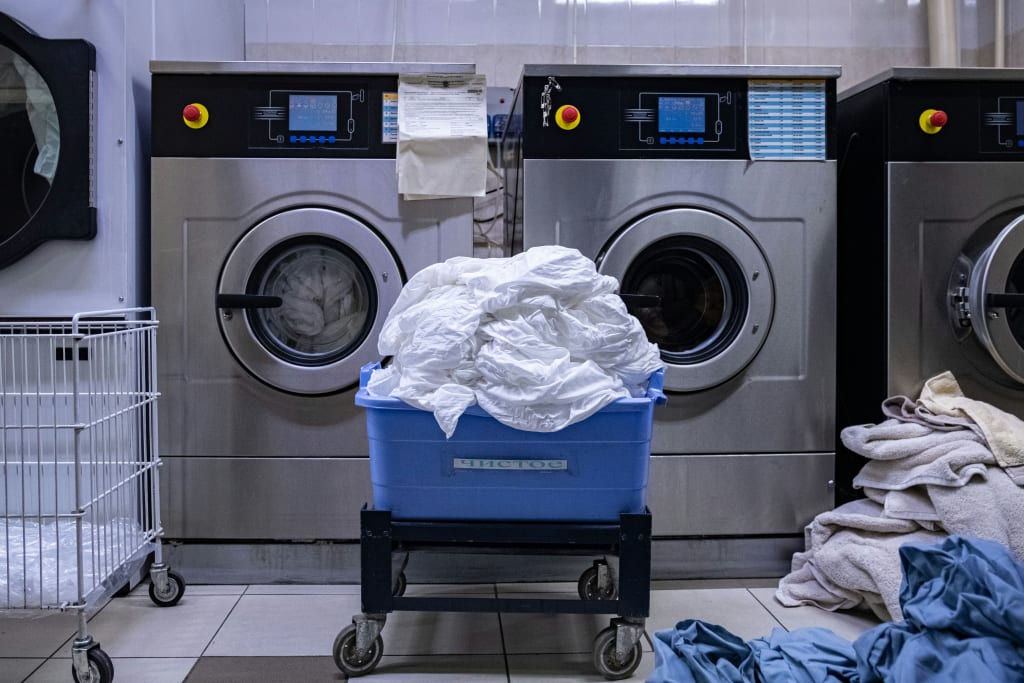
Designer clothing is more than fabric and stitching—it's craftsmanship, identity, and a long-term investment. Whether it’s an Alexander McQueen blazer, a silk Gucci blouse, or a classic Chanel dress, luxury apparel deserves meticulous care to maintain its form, colour, and allure. Unlike fast fashion, which may lose its structure or vibrancy after a few washes, designer garments are constructed with intricate detail, delicate fabrics, and precise tailoring—attributes that demand expert handling.
Dry cleaning, when performed by qualified professionals, safeguards these high-end pieces from premature wear. It ensures your wardrobe reflects its original opulence season after season. Below, we explore the best practices for maintaining designer apparel through professional dry cleaning, delving into the science behind the process and why choosing the right cleaner is paramount.
The Value of Designer Clothing: An Investment Worth Preserving
Designer fashion transcends aesthetics—it is an expression of individual taste, exclusivity, and often, status. With price tags to match, these garments are frequently tailored from luxury fabrics such as:
- Fine silks an satins
- Hand-loomed cashmeres
- Italian wool blends
- Beaded chiffons and lace
- Embroidered organzas
These materials don’t just require cleaning—they require preservation. Just as fine art is stored under climate control, high-end fashion demands controlled handling. Entrusting designer clothing to improper washing or inexpert cleaning services can result in fading, warping, shrinkage, or structural damage.
Understanding the Dry Cleaning Process
Dry cleaning is not “dry” in the literal sense. It uses liquid solvents instead of water to clean clothing. These solvents dissolve oils and stains without swelling fabric fibres—a common issue with water-based laundering.
According to Wikipedia, the most widely used solvent was perchloroethylene (also known as “perc”), although many modern dry cleaners now adopt eco-friendly alternatives such as hydrocarbon, silicone-based, or liquid CO₂ solvents. These solutions are gentler on fabrics and pose fewer environmental risks.
The professional dry cleaning process typically includes:
- Inspection and Tagging: Each garment is individually examined for damage, stains, and care label instructions.
- Pre-Treatment: Stains are manually treated using fabric-specific solutions.
- Solvent Cleaning: The garment is placed into a specialised machine where it is gently agitated in solvent.
- Post-Spotting: Remaining stains are re-treated, if necessary.
- Finishing: Pressing, steaming, reshaping, and packaging to restore showroom elegance.
Why Designer Clothing Needs Dry Cleaning
1. Fabric Integrity
High-end garments are often composed of textiles that respond poorly to agitation, water, and standard detergents. Dry cleaning preserves the fabric’s texture, finish, and elasticity.
For example:
- Water can streak or stain silk.
- Heat can shrink wool or distort synthetic blends.
- Agitation can tear or unravel lace and beadwork.
2. Preservation of Detail
Designer pieces often feature:
- Intricate pleats
- Hand-sewn embellishments
- Metal hardware
- Lined interiors
- Appliqué or embroidery
Such detailing can be damaged or detached during regular washing. Dry cleaning, with garment-specific settings, prevents fabric strain and fading.
3. Shape and Structure Maintenance
Blazers, coats, and couture dresses often include structural components such as interfacing, shoulder pads, boning, or delicate lining. Water-based cleaning can warp or deform these internal elements. Professional dry cleaning maintains the garment’s architectural silhouette.
Choosing the Right Dry Cleaner: What to Look For
Not all cleaners understand the craftsmanship behind luxury clothing. A quality dry cleaner should possess:
- Experience with high-end brands
- Certified garment care specialists
- On-site inspection and consultation
- Fabric-specific cleaning programs
- Customised packaging for delicate items
For those seeking premium care in South London, the Best Dry Cleaners in Clapham offer an unmatched level of service, ensuring designer garments are cleaned, restored, and returned with the same precision with which they were made.
Common Designer Fabrics and Their Care Needs
Silk
- Susceptible to water spots, shrinkage, and dye bleeding.
- Requires solvent-based treatment and low-heat pressing.
- Must be stored away from direct sunlight to prevent fading.
Cashmere and Wool
- Should never be washed in hot water or dried in a machine.
- Dry cleaning prevents shrinkage and maintains softness.
- Regular brushing and occasional steaming enhance longevity.
Velvet
- Cannot be ironed directly.
- Must be steam-treated or professionally pressed.
- Water can leave permanent blotches.
Chiffon and Lace
- Extremely fragile.
- Should never be hand-washed or machine washed.
- Requires careful packaging and minimal contact during transport.
Stain Removal: A Critical Skill
Designer garments are particularly vulnerable to staining. Red wine, makeup, oils, and perspiration can permanently mar fine fabrics if not treated correctly.
Dry cleaning professionals:
- Identify the nature of the stain (protein-based, oil-based, dye-based)
- Use appropriate pre-treatment methods that won’t degrade the fabric
- Avoid water or bleach unless specifically required by the material type
For example, a silk Versace blouse stained with perfume will require a different solvent and handling approach than a wool Armani suit splashed with espresso. These decisions can only be made by seasoned professionals like those at the Best Dry Cleaners in Clapham, who are well-versed in stain chemistry and couture textiles.
How Often Should Designer Clothes Be Dry Cleaned?
Over-cleaning can be just as harmful as under-cleaning. Here’s a general guideline:
- Outerwear (coats, blazers): Every 4–6 wears
- Trousers and skirts: Every 3–5 wears
- Blouses and dresses: Every 1–3 wears, especially after sweating or exposure to scents
Formalwear: After each use
Always consult the care label. But when in doubt, professional evaluation is advised to avoid overexposure to solvents or incorrect handling.
Additional Services for Designer Apparel
Hand Finishing
Rather than relying on automated pressing, luxury garments benefit from hand-finishing by skilled technicians. This process ensures:
- No seam shine on delicate silk or satin
- Crisp edges and smooth surfaces
- Reinforced structure without damage
- Repair and Alteration
Ripped lining? Loose buttons? Hem adjustments? The Best Dry Cleaners in Clapham also offer premium alterations and repairs to ensure your luxury garments remain pristine.
Deluxe Storage Options
High-end apparel, especially seasonal or formalwear, deserves proper storage:
- Acid-free tissue wrapping
- Breathable garment bags
- Custom hangers for shoulder support
- Mothproof and climate-controlled environments
Ask your dry cleaner about custom storage services that protect against dust, humidity, and fibre fatigue.
The Risks of DIY or Unqualified Cleaning
Entrusting designer clothes to amateur cleaners or attempting to clean them at home can lead to:
- Colour loss or streaking
- Shrinkage or misshaping
- Bead or sequin detachment
- Fabric pilling
- Broken zippers or distorted linings
Luxury brands often use proprietary dyes and blends not meant for water immersion or agitation. A single misstep can permanently ruin a piece worth hundreds or even thousands of pounds.
Sustainability and Eco-Friendly Dry Cleaning
Modern fashion-conscious individuals often seek sustainability. The good news: dry cleaning has evolved.
Premium cleaners now use:
- Silicone-based solvents that are biodegradable and non-toxic
- CO₂ cleaning systems that leave no hazardous residue
- Energy-efficient machines that reduce carbon footprint
At the Best Dry Cleaners in Clapham, customers can expect a commitment to both premium garment care and environmental responsibility.
Traveling with Designer Clothing
Protecting luxury garments during travel is crucial:
- Use sturdy garment bags with interior padding
- Pack silk and delicate pieces with acid-free tissue paper
- Avoid overstuffing luggage to prevent crushing
- Hang clothes upon arrival and use a portable steamer to release minor wrinkles
Some dry cleaners offer travel-packing services specifically for couture wardrobes—ideal before destination weddings, business trips, or international events.
Conclusion: Invest in the Right Care
Designer clothing speaks volumes about one’s style, taste, and discernment. These garments represent not just fashion, but heritage, craftsmanship, and investment. Maintaining their beauty and value requires a dry cleaning partner who understands the unique needs of luxury materials and construction.
The Best Dry Cleaners in Clapham deliver tailored solutions for each piece—whether it’s a limited-edition Balenciaga jacket or a bespoke Savile Row suit. Their expert handling, sustainable techniques, and commitment to detail ensure your most treasured garments are cared for to the highest standard.
By investing in premium dry cleaning services, you preserve the integrity, elegance, and lifespan of your wardrobe. Your designer pieces will not only look impeccable—they’ll stand the test of time.
About the Creator
Keep reading
More stories from Munnazir Zarin and writers in Journal and other communities.
Curtain Cleaning Costs in Clapham: A Complete Guide
Maintaining clean, well-kept curtains is vital for a healthy and visually appealing home. For residents of Clapham, understanding the costs of professional curtain care helps with planning and budgeting. Hiring a Curtain Cleaning Service in Clapham
By Munnazir Zarin5 months ago in Journal
What I Learned About Being Seen Online in 2025
What I Learned From Starting Something New Hey, let me tell you something. A couple of years ago, I decided to start a small personal project. And honestly? I thought just putting it out there would be enough. I imagined people discovering it, enjoying it, maybe even sharing it. Easy, right?
By Time N Space Media7 days ago in Journal


Comments
There are no comments for this story
Be the first to respond and start the conversation.