
Drones Take Flight on Everest: How Airlift Is Transforming High-Altitude Missions in 2025
"Revolutionizing Mountaineering: Drones Deliver Supplies, Scout Routes, and Enhance Safety on the World's Tallest Peak"

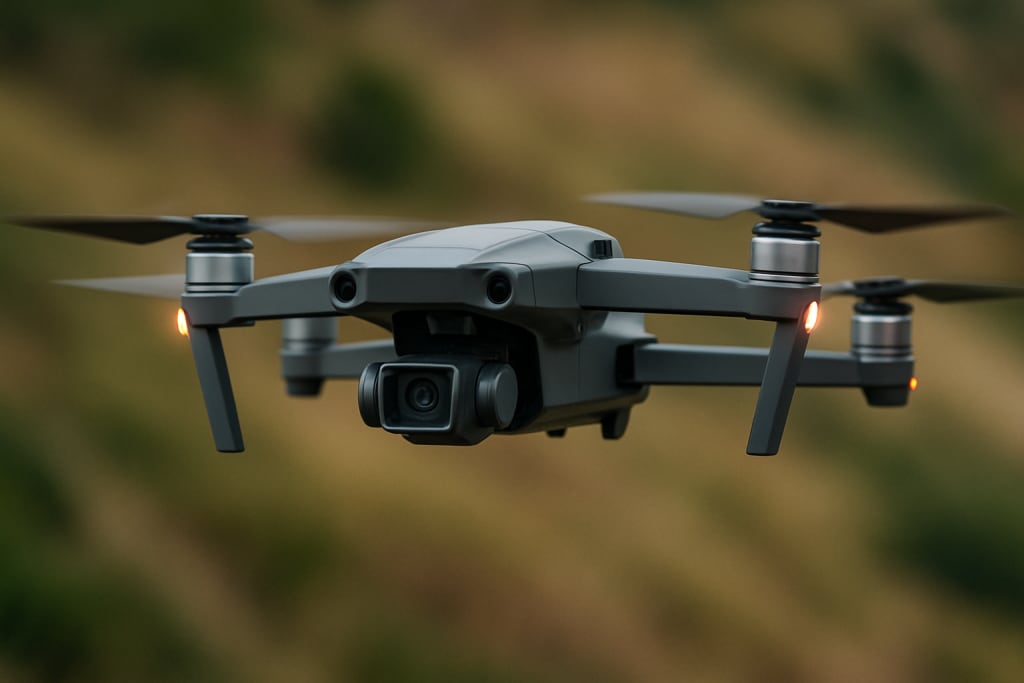
Airlift Launches Drone Supply Missions on Mount Everest
In a groundbreaking move for high-altitude logistics, Nepali drone startup Airlift has officially launched supply missions on Mount Everest. Leveraging DJI's advanced FlyCart drones, Airlift is tackling long-standing challenges in mountaineering—delivering life-saving oxygen, scouting dangerous trails, and even hauling down trash from the iconic but hazardous mountain.
Making the World's Tallest Mountain Safer
Following successful pilot tests in 2024, Airlift's drone operations are now actively supporting expeditions. The drones bridge the treacherous gap between Everest Base Camp (17,000 ft) and Camp 1 (nearly 20,000 ft)—a route historically plagued by the deadly Khumbu Icefall. By transporting essential supplies and returning with garbage, these unmanned aircraft reduce risk for sherpas and climbers alike, while offering a sustainable solution to Everest’s pollution problem.
Drone Flights at the Edge of the Sky
During its initial test run, Airlift flew three oxygen tanks and 1.5 kg of gear from base camp to Camp 1, then returned carrying waste. These missions confirmed that DJI FlyCart drones can function in ultra-thin air, bitter cold, and unstable terrain. Helicopters, while technically capable of this task, are risky and financially unfeasible at such elevations.
Solving the Khumbu Icefall Challenge
The Khumbu Icefall remains one of the most dangerous segments of Everest’s south route. Steep crevasses, shifting ice towers, and frigid temperatures make supply runs extremely hazardous. Until now, sherpas bore the brunt of this danger—carrying heavy loads across terrain where a single misstep can be fatal. Drones now offer a lifeline, reducing the need for repeated, risky trips.
Sherpas and Drones: A Powerful Collaboration
While drones are revolutionizing logistics, sherpas remain at the heart of any Everest expedition. Milan Pandey, a drone pilot operating from base camp, works closely with sherpas. Before making a physical climb, sherpas scout the route using a small reconnaissance drone. They then radio coordinates back to base so that ropes, ladders, and gear can be flown in precisely where needed.
“We use drones to deliver exactly what’s required—right when it’s needed,” Pandey explained.
When Tragedy Drives Innovation
The spark behind this initiative came from Mingma G Sherpa, founder of Imagine Nepal. After losing three close friends to an avalanche, Mingma envisioned using drones to minimize such tragedies. Drawing inspiration from similar technology in China, he asked: “Why not here?”
Instead of trekking up and down twenty times to set up routes and then haul equipment, drones now do the heavy lifting—literally and figuratively.
The Future of Drones in High-Altitude Rescue and Logistics
Airlift's Everest mission marks a turning point in high-altitude exploration. Drones could soon play an even larger role in:
Emergency medical deliveries
Avalanche detection
Rapid route mapping
Real-time weather tracking
As these aircraft evolve, expect smarter sensors, longer battery life, and even autonomous decision-making—allowing for more efficient and life-saving missions.
Conclusion: Scaling Everest with Smarter Tools
In 2025, technology is proving that even Earth’s most hostile environments can benefit from innovation. Thanks to Airlift and DJI, Mount Everest is becoming not only more accessible but also safer and more sustainable. With drones carrying the load, sherpas can focus on guiding climbers—not risking their lives for gear.
About the Creator
Keep reading
More stories from Md Muij Ahmed and writers in Journal and other communities.
Navy Jet Lost Overboard as US Warship Dodges Houthi Missile Threat
US Navy Jet Plunges Into Red Sea During Evasive Maneuvers U.S. sailors were forced to jump for their lives after a fighter jet fell off the deck of the USS Harry S. Truman during reported evasive maneuvers in the Red Sea on Monday.
By Md Muij Ahmed9 months ago in Journal
Why Prayer is Central to Catholic Life and How to Deepen It
Prayer is at the heart of Catholic life. It is the way believers communicate with God, express their faith, seek guidance, and grow in holiness. Prayer is not merely a ritual or obligation, but a living relationship with God. Understanding why prayer is central to Catholic life and how to deepen it can help believers experience spiritual growth, peace, and a stronger connection to Christ.
By Sound and Spirit4 days ago in Journal


Comments (1)
Its really tough