
Do Thermal Cool Tiles Really Work, or Are They Just a Trend?
Do Thermal Cool Tiles Really Work, or Just Another Trend?

With the rising demand for energy-efficient solutions in modern construction, Thermal Cool Tiles have emerged as a promising innovation. But do they genuinely live up to their reputation, or are they merely a fleeting trend? These tiles are engineered to regulate indoor temperatures, reduce heat absorption, and enhance energy efficiency. By leveraging advanced materials and coatings, they aim to keep homes and commercial spaces cooler, reducing reliance on air conditioning.
But how exactly do they work? And are they worth the investment? Let's explore the science behind these tiles and their effectiveness.
How Do Thermal Cool Tiles Work?
Thermal Cool Tiles operate on the principle of reflectivity and heat insulation. Unlike conventional tiles, which absorb and retain heat, these tiles are designed to reflect a significant portion of solar radiation. Their effectiveness is attributed to:
High Solar Reflectance – These tiles reflect a considerable amount of sunlight, preventing excessive heat build-up.
Low Thermal Emissivity – Unlike regular materials that emit absorbed heat back into the environment, these tiles minimize heat retention.
Phase Change Materials (PCM) – Some variants, like Phase Change Ceiling Tiles, incorporate materials that absorb and release heat at specific temperatures, maintaining thermal stability.
This combination of features helps in keeping indoor temperatures lower, reducing the need for cooling appliances.
The Role of Phase Change Ceiling Tiles in Temperature Control
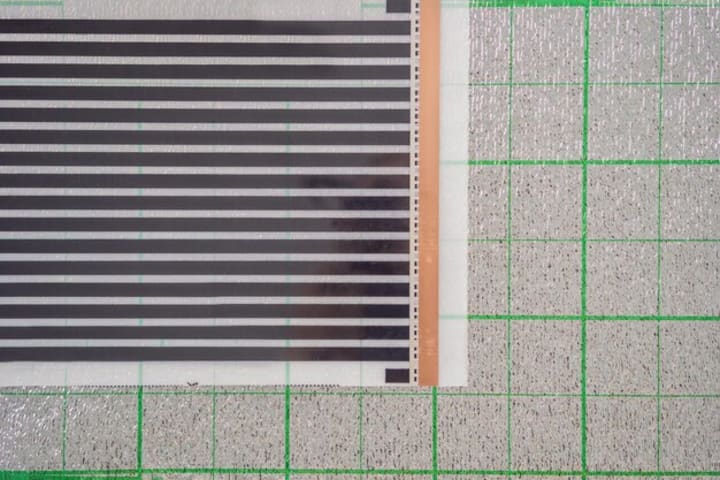
One of the latest advancements in thermal regulation is the Phase Change Ceiling Tiles (PCM Tiles). These are specially designed to store and release thermal energy, maintaining a stable indoor climate. Here's how they work:
Absorption of Excess Heat – During peak temperatures, PCM tiles absorb heat, preventing overheating.
Release of Stored Heat – When temperatures drop, the stored heat is released, ensuring a comfortable environment.
Integration with Suspended Ceiling Systems – These tiles are often used in a suspended ceiling system, making them ideal for offices, commercial spaces, and modern homes.
By incorporating PCM technology, these tiles offer superior thermal regulation compared to traditional cooling solutions.
Are Thermal Cool Tiles Just a Trend?
While some might dismiss them as a passing trend, the benefits of Thermal Cool Tiles make them a valuable long-term investment. Consider the following:
✔ Energy Efficiency – By reducing indoor temperatures, these tiles significantly lower energy consumption for cooling.
✔ Sustainability – They contribute to environmentally friendly construction by minimizing heat islands and carbon emissions.
✔ Cost Savings – Lower energy bills make them a cost-effective choice in the long run.
✔ Durability – These tiles often have a longer lifespan than traditional options, further increasing their value.
Given these benefits, it’s evident that Thermal Cool Tiles are not just a passing trend but a practical innovation for sustainable living.
Limitations and Challenges
Despite their advantages, Thermal Cool Tiles do have some drawbacks:
Initial Cost – They can be more expensive than standard tiles, though the long-term savings offset the upfront investment.
Effectiveness Varies – Factors like climate, installation, and surrounding architecture influence their performance.
Maintenance Requirements – Some coatings may degrade over time, requiring periodic reapplication to maintain reflectivity.
Understanding these limitations can help homeowners and builders make an informed decision.
Final Thoughts: Are They Worth the Investment?
Thermal Cool Tiles are not just a passing trend—they are a practical and energy-efficient solution for modern buildings. While they come with some initial costs, the long-term benefits in terms of reduced energy consumption, cost savings, and environmental impact make them a worthwhile investment. Whether used in residential or commercial settings, these tiles represent a step towards sustainable and comfortable living.
If you are considering installing Thermal Cool Tiles or PCM Tiles, ensure that you choose high-quality materials and professional installation for the best results.
FAQs
Do Thermal Cool Tiles really reduce indoor temperatures?
Yes, these tiles are designed to reflect heat and prevent excessive absorption, leading to noticeably cooler indoor temperatures.
Are Thermal Cool Tiles suitable for all types of buildings?
They are ideal for homes, offices, and commercial buildings, especially in areas with high temperatures. However, their effectiveness depends on the building's design and insulation.
What is the difference between Thermal Cool Tiles and Phase Change Ceiling Tiles?
Thermal Cool Tiles primarily reflect heat, whereas Phase Change Ceiling Tiles use special materials to store and release heat for better temperature regulation.
Can these tiles completely replace air conditioning?
While they reduce the need for cooling, they do not entirely replace air conditioning, especially in extreme climates. However, they can significantly lower energy usage.
Are Thermal Cool Tiles environmentally friendly?
Yes, they contribute to sustainable construction by reducing energy consumption and minimizing the urban heat island effect.
Do they require special installation?
No, they can be installed similarly to traditional tiles, though professional installation ensures maximum efficiency.
About the Creator
Therma Cool
ThermaCool provides innovative thermal management solutions using phase change materials to enhance indoor comfort and energy efficiency.
Keep reading
More stories from Therma Cool and writers in Journal and other communities.
What Makes Phase Change Material for Cooling an Eco-Friendly Choice?
In the face of escalating climate change, efficient and sustainable thermal management has become a global necessity. Traditional cooling systems often rely on energy-intensive technologies and refrigerants that contribute to greenhouse gas emissions. Phase change material for cooling has emerged as a promising alternative — one that’s not only effective but also eco-friendly.
By Therma Cool9 months ago in Lifehack
Intuition-Based Decision Making in High Stress Situations.
Decision making under stress is a complex process that requires rapid assessment, prioritization, and action. In high-stress situations, traditional analytical approaches may be too slow or cumbersome. Intuition becomes a critical tool, allowing individuals to make quick, effective decisions based on subconscious processing, experience, and pattern recognition. Intuition is not guesswork; it is a refined skill that integrates knowledge, emotion, and context to guide action under pressure. Understanding how intuition functions in high-stress scenarios reveals why some individuals excel in crisis while others struggle.
By Wilson Igbasi7 days ago in Journal


Comments
There are no comments for this story
Be the first to respond and start the conversation.