
Digital Signage for Events: Enhance Communication and Engagement
The Future of Event Management: Dynamic Digital Displays

In today's fast-paced event landscape, effective communication and attendee engagement are paramount. Digital signage has emerged as a powerful tool to achieve these goals, transforming the way events are managed and experienced. From conferences and trade shows to festivals and corporate gatherings, digital signage offers numerous benefits that can significantly enhance the overall event experience.
The Power of Visual Communication
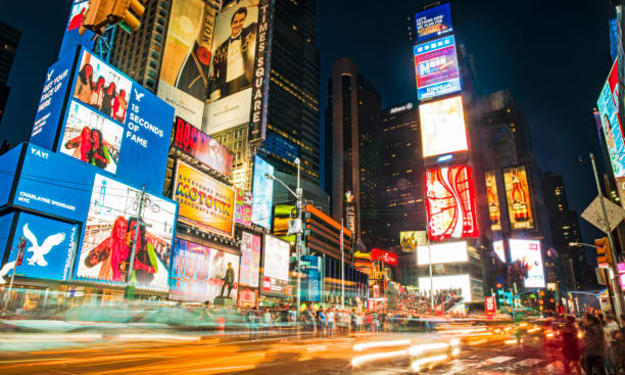
Digital signage leverages dynamic visuals to capture attention and convey messages quickly and effectively. Unlike traditional static signs, digital displays can be easily updated in real-time, ensuring that attendees always have access to the most current information. Whether it's displaying event schedules, session locations, or important announcements, digital signage ensures that communication is clear, concise, and visually appealing.
Enhancing Engagement Through Interactivity
One of the standout features of digital signage is its ability to engage attendees through interactivity. Touchscreen displays and interactive kiosks allow participants to navigate event information, explore exhibitor details, and even participate in polls or surveys. This level of engagement not only enhances the attendee experience but also provides valuable insights for event organizers.
Customizable Content for a Personalized Experience
Digital signage can be tailored to meet the specific needs of any event. With customizable templates and content management systems, organizers can create visually consistent and branded displays that align with the event's theme and messaging. Personalized content, such as welcome messages for VIP attendees or targeted promotions, can further enhance the sense of connection and engagement.
Real-Time Updates and Flexibility
One of the most significant advantages of digital signage is its flexibility. In the fast-moving environment of an event, schedules can change, sessions can be added, and announcements need to be made promptly. Digital signage allows for instant updates, ensuring that attendees are always informed and reducing the risk of confusion or missed opportunities.
Increased Sponsorship Opportunities
Digital signage opens up new avenues for sponsorship and advertising. Event organizers can offer screen time to sponsors, displaying their logos, messages, or promotional videos. This not only generates additional revenue but also provides sponsors with high-visibility exposure to a captive audience. The dynamic nature of digital signage makes these advertisements more engaging compared to traditional static banners.
Environmental and Cost Benefits
Adopting digital signage can also contribute to a more sustainable event. By reducing the need for printed materials, organizers can minimize waste and lower their carbon footprint. Additionally, while the initial investment in digital signage technology might be higher, the long-term savings on printing costs and the ability to reuse digital displays for multiple events make it a cost-effective solution.
Enhancing Wayfinding and Navigation
Large venues can often be challenging to navigate, especially for first-time attendees. Digital signage can act as an effective wayfinding tool, guiding participants to different sessions, exhibitor booths, or amenities. Interactive maps and directional displays ensure that attendees can easily find their way around, enhancing their overall experience and reducing the stress of getting lost.
Improving Audience Analytics
Digital signage can be integrated with advanced analytics tools to provide valuable data on attendee behavior and preferences. By tracking interactions with interactive displays or monitoring which content attracts the most attention, organizers can gain insights into what works and what doesn't. This data can be used to improve future events, making them more engaging and better tailored to attendee needs.
Conclusion
Digital signage is revolutionizing the event industry by enhancing communication, engagement, and overall attendee experience. Its dynamic, interactive, and flexible nature makes it an indispensable tool for modern event organizers. By leveraging digital signage, events can become more efficient, engaging, and memorable, ultimately leading to higher attendee satisfaction and success.
About the Creator
Keep reading
More stories from Patrick Dimperio and writers in Journal and other communities.
Promoting Sustainability Efforts with Digital Signage: Educate and Inspire
In today’s world, sustainability is more than just a buzzword—it’s a necessary commitment for businesses, organizations, and communities aiming to create a better future. One of the most effective ways to promote sustainability efforts is through digital signage. This dynamic and versatile tool can educate and inspire audiences, driving meaningful change and fostering a culture of environmental responsibility.
By Patrick Dimperio2 years ago in Journal
The Trouble with /My/ Time
Today is supposed to be my fresh start to a new week, but I am still reeling with the realization that my private property means absolutely nothing to my children's father, that my parenting time and my personal plans are irrelevant enough to him to risk our child going without the prescription drink he needs - just because said adult's schedule is the sole valuable one?, and that there is likely nothing I can do to stop this behavior from simply continuing.
By The Schizophrenic Mom5 days ago in Journal


Comments
There are no comments for this story
Be the first to respond and start the conversation.