
Cybersecurity for Businesses
Protecting Data in a Digital Age

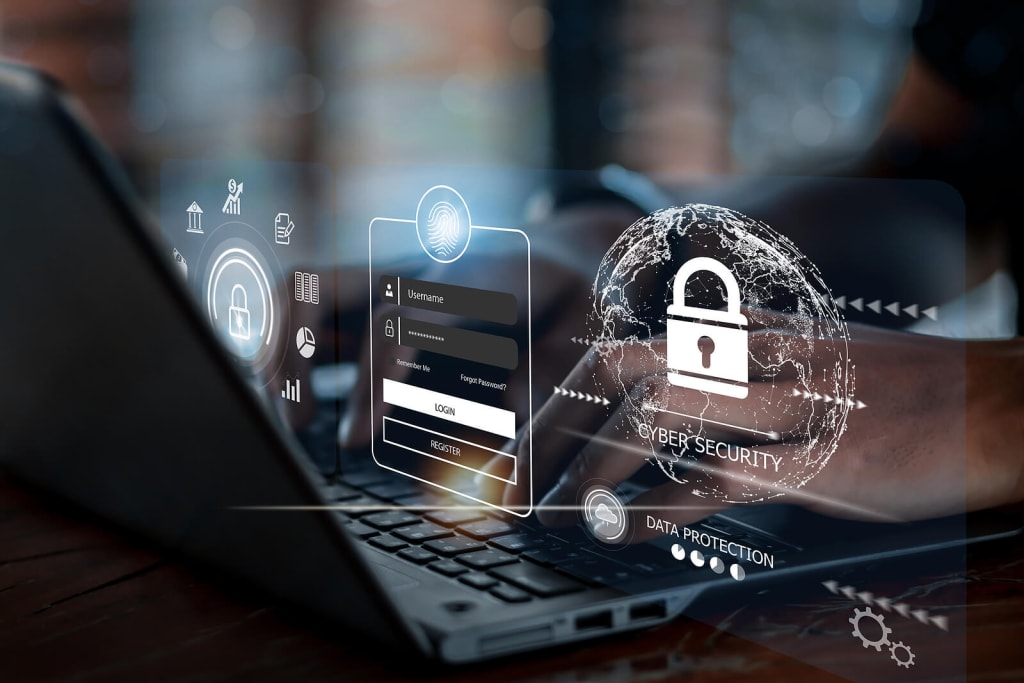
In the digital era, data has become one of the most valuable assets for businesses. Whether it’s customer information, proprietary business strategies, or financial records, protecting this data from cyber threats has become an increasingly pressing issue. Cybersecurity is now a key focus for companies of all sizes, as breaches can lead to serious financial losses, legal consequences, and damage to brand reputation.
The Growing Threat of Cyber Attacks.
With the rise of digital tools and cloud services, businesses are now more connected than ever before. While these technologies offer great opportunities for efficiency and growth, they also open new avenues for cybercriminals to exploit. Hackers use a variety of methods, including phishing attacks, ransomware, and social engineering, to gain access to sensitive data. These tactics are becoming increasingly sophisticated, making it essential for businesses to stay ahead of potential risks.
Michael Shvartsman, a seasoned business expert, stresses the urgency of addressing cybersecurity at the organizational level. “The digital landscape is evolving rapidly, and so are the threats. Businesses need to take a proactive approach to cybersecurity, ensuring they have the right strategies and tools in place to protect their assets,” Shvartsman explains.
Data Protection Regulations and Compliance.
In response to the growing threat of cybercrime, governments around the world have implemented regulations to protect sensitive information. Laws such as the General Data Protection Regulation (GDPR) in Europe and the California Consumer Privacy Act (CCPA) in the U.S. require businesses to adhere to strict guidelines for handling personal data.
Non-compliance with these regulations can result in hefty fines, legal repercussions, and loss of customer trust. For businesses operating internationally, it’s particularly important to understand and comply with the various data protection laws across regions.
Michael Shvartsman points out that keeping up with regulatory requirements should be a top priority for businesses. “It’s about protecting your data from hackers and being compliant with the law. Failing to meet regulatory standards can be just as damaging to your business as a cyber attack,” he warns.
Key Strategies for Enhancing Cybersecurity.
Given the complexities of the modern threat landscape, businesses need to adopt a comprehensive approach to cybersecurity. Here are several strategies that organizations can implement to strengthen their data protection efforts:
1. Implement Multi-Factor Authentication (MFA): One of the simplest yet most effective ways to protect sensitive accounts is by using multi-factor authentication. MFA requires users to provide additional verification beyond just a password, such as a fingerprint scan or a one-time code sent to their phone. This added layer of security makes it harder for hackers to gain unauthorized access.
2. Regularly Update Software and Systems: Outdated software is a common target for cybercriminals. Businesses must ensure that their operating systems, applications, and security tools are updated regularly to protect against known vulnerabilities. Patch management should be a priority to address security flaws before they can be exploited.
3. Conduct Employee Training: Many cyber attacks, particularly phishing schemes, target employees as the weakest link in the security chain. Training employees to recognize potential threats, avoid suspicious emails, and follow best practices for data security can significantly reduce the risk of breaches. Regular training sessions can help keep cybersecurity top of mind.
4. Back Up Data Frequently: Data backups are a critical component of any cybersecurity strategy. In the event of a ransomware attack, having reliable backups can allow businesses to recover their data without paying a ransom. These backups should be stored in a secure, offsite location, separate from the main network.
5. Adopt Zero-Trust Architecture: Traditional security models operate on the assumption that everything inside an organization’s network is trusted. Zero-trust architecture, on the other hand, requires verification for every user or device attempting to access resources, regardless of their location. This approach limits the ability of attackers to move laterally within a network, reducing the risk of large-scale breaches.
6. Monitor Networks and Systems: Continuous monitoring allows businesses to detect and respond to potential security incidents in real time. Intrusion detection systems, firewalls, and security information and event management (SIEM) tools can help identify suspicious activity and provide alerts for immediate action.
Expert Opinion by Michael Shvartsman.
Michael Shvartsman emphasizes that a reactive approach to cybersecurity is no longer sufficient. “In today’s environment, businesses can’t wait until a breach happens to start thinking about security. It’s about building defenses, identifying vulnerabilities before they become problems, and having a response plan in place,” he says.
Michael Shvartsman believes that cybersecurity should be viewed as an ongoing process, rather than a one-time project. “Cyber threats are constantly evolving, and your security strategy has to evolve with them. Businesses need to be dynamic in their approach—regularly reviewing their systems, staying informed about new threats, and updating their defenses accordingly.”
He also stresses the importance of leadership in driving cybersecurity efforts. “Leadership plays a key role in setting the tone for cybersecurity in an organization. When executives make cybersecurity a priority, it sends a message to the entire company that data protection is a shared responsibility.”
The Role of Third-Party Vendors.
Many businesses rely on third-party vendors for services ranging from cloud storage to payment processing. While these partnerships can bring significant advantages, they can also introduce additional cybersecurity risks. A breach at a vendor’s level can impact the entire supply chain.
It’s important for businesses to thoroughly vet their vendors to ensure they follow robust security practices. Regular audits, security assessments, and clear contractual obligations can help reduce the risk of third-party vulnerabilities affecting the company.
Michael Shvartsman advises that businesses establish strong relationships with their vendors when it comes to cybersecurity. “It’s not enough to trust that your vendor has things under control. You need to work closely with them, ensure they meet your security standards, and hold them accountable for protecting the data they handle on your behalf,” he says.
Preparing for the Future of Cybersecurity.
As cyber threats continue to grow in complexity, businesses must prepare for the future by investing in advanced security technologies such as AI-powered threat detection, blockchain for secure transactions, and encryption tools. These innovations are shaping the next wave of cybersecurity solutions, allowing businesses to detect and respond to potential threats more effectively.
Michael Shvartsman highlights the need for businesses to stay ahead of emerging technologies. “We’re at a point where cyber attackers are using AI and machine learning to find vulnerabilities, so businesses need to use these same technologies to protect themselves. Investing in cutting-edge security tools will be essential in staying one step ahead.”
Cybersecurity is now a fundamental aspect of doing business in the digital age. As threats evolve and regulations become stricter, companies must prioritize data protection by adopting a comprehensive security strategy. By leveraging technology, training employees, and collaborating with third-party vendors, businesses can significantly reduce their exposure to cyber risks.
About the Creator
Michael Shvartsman
Entrepreneur who cares about the world we live in. Founder and Managing Partner of Rocket One Capital.
Keep reading
More stories from Michael Shvartsman and writers in Journal and other communities.
How to Create a Customer-Centric Business Model
Building a customer-centric business model is becoming essential for companies that want to stand out in today's competitive landscape. A business focused on delivering a personalized and value-driven experience for customers can foster loyalty, boost sales, and strengthen its brand.
By Michael Shvartsmanabout a year ago in Journal
The Quiet Link Between Evening Light and Restless Sleep
For a long time, I believed my restless sleep was caused by what happened in my head. Too much thinking. Too much stress. Too many unfinished thoughts that followed me into the night. I tried calming routines, earlier bedtimes, and stricter boundaries around work. Some nights improved. Many did not.
By illumipure3 days ago in Journal




Comments
There are no comments for this story
Be the first to respond and start the conversation.