
Common Residential Plumbing Problems and How to Fix Them
Residential Plumbing
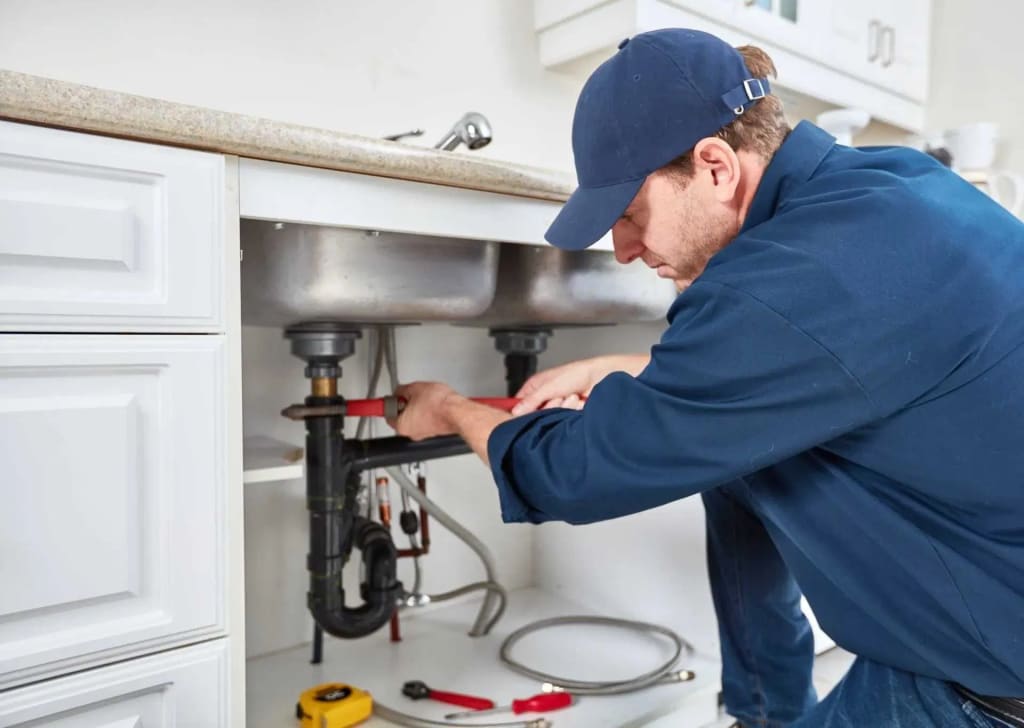
Maintaining a functional plumbing system is essential for every homeowner. Residential plumbing issues can disrupt daily life, cause property damage, and lead to costly repairs if left untreated. Understanding the most common plumbing problems and how to address them can save you time, money, and stress. This guide covers the frequent residential plumbing problems and provides practical solutions for fixing them.
What is Residential Plumbing?
Residential plumbing refers to the system of pipes, fixtures, and fittings installed within a home that delivers water for daily use and removes wastewater. It includes everything from sinks, toilets, and showers to drainage and water heating systems. Proper maintenance and timely repairs are crucial to ensure these systems operate efficiently.
Common Residential Plumbing Problems
1. Leaky Faucets
One of the most frequent plumbing annoyances is a dripping faucet. While it may seem minor, a leaky faucet wastes a significant amount of water over time, increasing your water bill and contributing to environmental waste.
How to Fix:
Turn off the water supply to the faucet.
Disassemble the faucet handle and inspect the washer or O-ring. These small parts often wear out and cause leaks.
Replace any damaged washers or seals with new ones from a hardware store.
Reassemble the faucet and turn the water back on to test for leaks.
2. Clogged Drains
Slow or blocked drains are a common problem in kitchens, bathrooms, and laundry rooms. Hair, grease, soap, and food particles often build up inside pipes causing blockages.
How to Fix:
Use a plunger on the affected drain to try and dislodge the blockage.
For tougher clogs, a drain snake or auger can physically remove debris.
Avoid using harsh chemical drain cleaners, as these can damage pipes over time. Instead, try a natural solution of baking soda and vinegar followed by hot water.
Prevent future clogs by using drain strainers and avoiding pouring grease down sinks.
3. Running Toilets
A toilet that constantly runs after flushing wastes gallons of water and can drive up your water bill.
How to Fix:
Remove the toilet tank lid and check the flapper valve at the bottom of the tank.
If the flapper is damaged or not sealing properly, replace it with a new one.
Check the float arm and adjust it so that the water shuts off at the correct level.
Ensure no debris is preventing the flapper from sealing tightly.
4. Low Water Pressure
Low water pressure can be frustrating and is often caused by pipe corrosion, leaks, or blockages in fixtures.
How to Fix:
Check if the problem is isolated to one fixture or affects the entire house.
Clean faucet aerators and showerheads which can accumulate mineral deposits restricting flow.
Inspect visible pipes for leaks or damage.
For persistent low pressure, consult a professional plumber to check for pipe corrosion or issues with the main water supply.
5. Water Heater Issues
Water heaters are a vital part of residential plumbing, providing hot water for bathing, cleaning, and cooking. Common problems include no hot water, strange noises, or leaks.
How to Fix:
Check the thermostat setting and adjust it if necessary.
Inspect the pilot light (for gas heaters) or reset the circuit breaker (for electric heaters).
Flush the tank annually to remove sediment buildup which reduces efficiency.
For leaks or persistent issues, contact a qualified plumber.
6. Burst or Leaking Pipes
Pipes can burst or leak due to freezing temperatures, corrosion, or aging materials, causing water damage and costly repairs.
How to Fix:
Shut off the main water supply immediately to prevent flooding.
Use pipe repair clamps or epoxy putty as a temporary fix.
Replace damaged sections of pipe as soon as possible.
Insulate pipes in cold areas to prevent freezing during winter.
Preventative Maintenance Tips for Residential Plumbing
Preventing plumbing problems before they occur is the best way to maintain your home’s plumbing system. Here are some simple tips:
Regular Inspections: Check under sinks, around toilets, and near water heaters for signs of leaks or moisture.
Avoid Chemical Drain Cleaners: Use natural methods or call a plumber for persistent clogs.
Install Water Softener: If you have hard water, a water softener can reduce mineral buildup in pipes and fixtures.
Know Your Water Shut-Off Valve: In an emergency, quickly shutting off the water supply can prevent major damage.
Schedule Professional Maintenance: Have a plumber inspect your system annually to catch problems early.
When to Call a Professional Plumber
While many minor plumbing issues can be fixed by a handy homeowner, some problems require professional expertise. Call a plumber if you experience:
Recurring clogs or slow drains despite DIY efforts.
Major leaks or pipe bursts.
Water heater malfunctions beyond simple resets.
Sewage backups or foul odors from drains.
Water pressure problems affecting multiple fixtures.
Hiring a licensed plumber ensures the job is done safely and meets local plumbing codes.
Conclusion
Understanding common residential plumbing problems and how to fix them empowers homeowners to handle minor issues promptly and avoid costly repairs. Regular maintenance, quick troubleshooting, and knowing when to call a professional are key to keeping your plumbing system in good working order. Whether it’s a dripping faucet or a running toilet, acting fast can save water, money, and frustration.
About the Creator
Keep reading
More stories from Plumber Sheffield and writers in Journal and other communities.
Top Benefits of Professional Drain Cleaning Services
When it comes to maintaining a healthy and functional plumbing system, drain cleaning services play a crucial role. Whether in your home or business, drains handle waste and water daily, making them susceptible to blockages and damage over time. Hiring professional drain cleaning services ensures your drains remain clear, preventing costly repairs and health hazards. In this article, we will explore the top benefits of using expert drain cleaning services and why it is essential to leave this job to the professionals.
By Plumber Sheffield9 months ago in Writers
Rs92bn Circular Debt Drives Push for Integrated Energy Plan
Pakistan’s energy sector is once again at the center of national debate as circular debt linked to fuel supply and power generation swells to Rs92 billion, intensifying pressure on the government to adopt a long-delayed integrated energy plan. The growing liability highlights deep-rooted structural flaws in how electricity, gas, and petroleum sectors operate in isolation, despite being financially and operationally interconnected.
By Salaar Jamali7 days ago in Journal


Comments
There are no comments for this story
Be the first to respond and start the conversation.