
Common Neurological Disorders: Symptoms, Causes, and Treatments
Manvir Bhatia
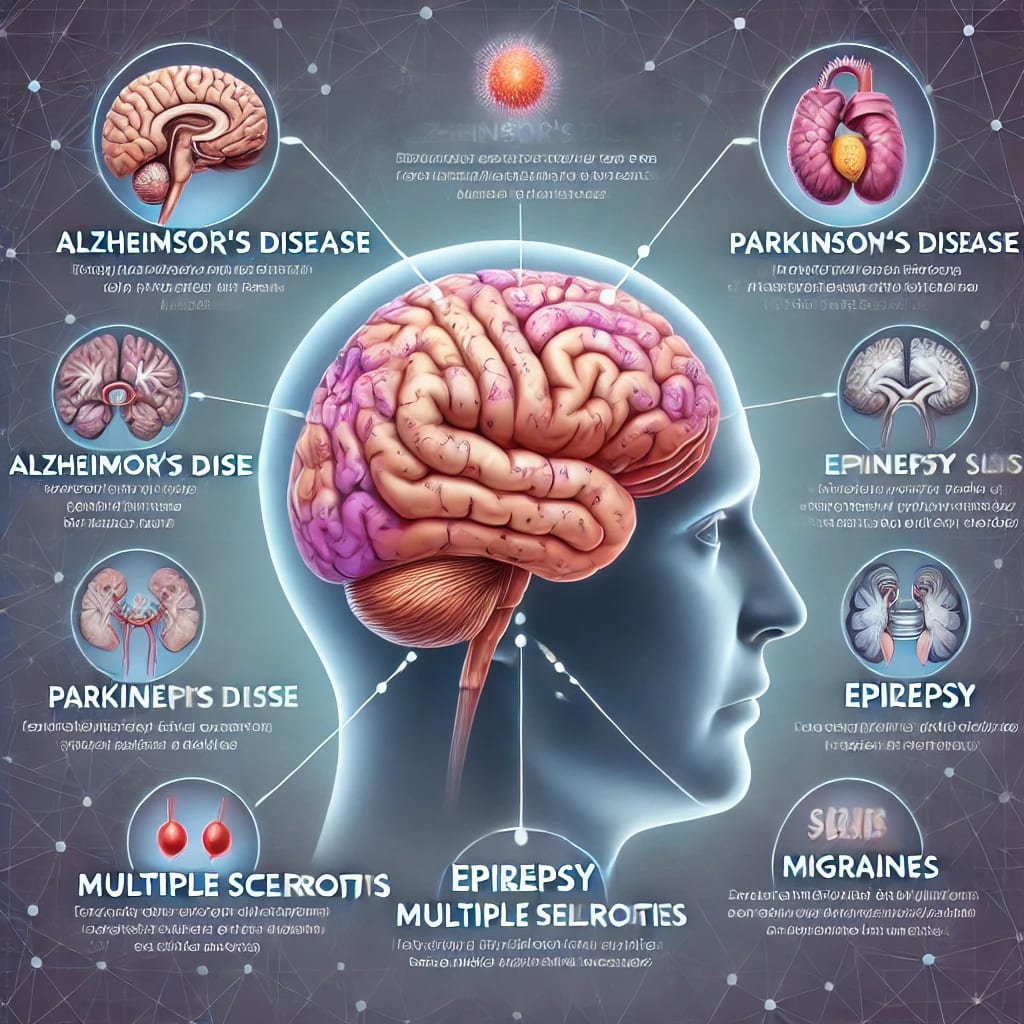
Common Neurological Disorders: Symptoms, Causes, and Treatments
The human nervous system is a complex network of nerves, the brain, and the spinal cord, responsible for controlling every function in our body. When something goes wrong within this system, it can lead to neurological disorders, affecting movement, speech, memory, and even emotions. These disorders range from mild conditions like migraines to severe, life-altering diseases like Parkinson’s or multiple sclerosis. This article explores some of the most common neurological disorders, their symptoms, causes, and available treatments.
1. Migraine
Symptoms:
- Intense, throbbing headaches, often on one side of the head
- Sensitivity to light, sound, and smell
- Nausea and vomiting
- Aura (visual disturbances like flashes of light or blind spots)
Causes:
The exact cause of migraines is unknown, but they are believed to result from abnormal brain activity affecting nerve signals and blood vessels. Triggers include stress, hormonal changes, certain foods, lack of sleep, and dehydration.
Treatment:
Migraines can be managed with medications such as triptans, pain relievers, and preventive drugs like beta-blockers. Lifestyle modifications, including maintaining a regular sleep schedule, avoiding triggers, and stress management techniques like meditation, also help.
2. Parkinson’s Disease
Symptoms:
- Tremors (shaking hands, legs, or jaw)
- Slow movement (bradykinesia)
- Muscle stiffness
- Impaired balance and coordination
Causes:
Parkinson’s disease occurs due to the gradual loss of dopamine-producing nerve cells in the brain. The exact reason for this degeneration is unknown, but genetic and environmental factors play a role.
Treatment:
Although there is no cure, medications like levodopa and dopamine agonists help manage symptoms. Physical therapy, exercise, and deep brain stimulation (DBS) surgery can also improve movement and quality of life.
3. Epilepsy
Symptoms:
- Recurring seizures (sudden electrical disturbances in the brain)
- Loss of consciousness
- Uncontrolled muscle movements
- Temporary confusion or staring spells
Causes:
Epilepsy can be caused by brain injuries, genetic mutations, infections, stroke, or unknown factors.
Treatment:
Medications like antiepileptic drugs (AEDs) control seizures in most patients. In severe cases, surgical intervention, ketogenic diets, or vagus nerve stimulation may be recommended.
4. Multiple Sclerosis (MS)
Symptoms:
- Numbness or weakness in limbs
- Vision problems
- Difficulty walking and muscle stiffness
- Fatigue and cognitive difficulties
Causes:
MS is an autoimmune disorder where the body’s immune system attacks the protective covering of nerves (myelin), disrupting communication between the brain and the body.
Treatment:
There is no cure, but disease-modifying therapies (DMTs), steroids for relapses, and physical therapy help manage symptoms.
5. Alzheimer’s Disease
Symptoms:
- Memory loss affects daily life.
- Confusion and disorientation
- Difficulty with speech and problem-solving
- Mood changes and personality shifts
Causes:
Alzheimer’s is linked to the buildup of amyloid plaques and tau tangles in the brain, leading to nerve cell death. Genetics, aging, and lifestyle factors contribute to the disease.
Treatment:
While there is no cure, medications like cholinesterase inhibitors and memantine can temporarily improve symptoms. Cognitive therapy and lifestyle modifications may also slow progression.
6. Stroke
Symptoms:
- Sudden numbness or weakness, especially on one side of the body
- Difficulty speaking or understanding speech
- Loss of vision in one or both eyes
- Severe headache without a known cause
Causes:
A stroke occurs when blood flow to the brain is blocked (ischemic stroke) or when a blood vessel bursts (hemorrhagic stroke). Risk factors include high blood pressure, smoking, obesity, and diabetes.
Treatment:
Emergency treatment includes clot-busting medications, mechanical thrombectomy, or surgery for bleeding in the brain. Rehabilitation with physical and speech therapy is crucial for recovery.
Preventing Neurological Disorders
While some neurological conditions are genetic or unavoidable, adopting a healthy lifestyle can reduce the risk of many disorders. Here are some preventive measures:
- Maintain a balanced diet rich in antioxidants and omega-3 fatty acids.
- Exercise regularly to improve brain function and blood circulation.
- Manage stress through meditation and relaxation techniques.
- Avoid smoking and limit alcohol consumption.
- Get enough sleep to support brain health.
- Control blood pressure, cholesterol, and blood sugar levels.
Conclusion
Neurological disorders can significantly impact a person’s quality of life, but early diagnosis and appropriate treatment can help manage symptoms effectively. If you or a loved one experiences persistent neurological symptoms, seeking medical attention from a neurologist is crucial. With advancements in medical science and lifestyle modifications, it is possible to lead a fulfilling life even with neurological conditions.
About the Creator
Keep reading
More stories from Dr manvir bhatia and writers in Journal and other communities.
How Sleep Apnea Affects Your Heart and Brain
How Sleep Apnea Affects Your Heart and Brain Sleep apnea is a serious sleep disorder that affects how you breathe while sleeping. People with sleep apnea experience repeated pauses in their breathing, sometimes lasting several seconds. This can happen multiple times per night, preventing the body from getting enough oxygen. Over time, this lack of oxygen can have harmful effects on both the heart and the brain.
By Dr manvir bhatia11 months ago in Journal
What I Noticed When Light Stopped Feeling Sharp
I never would have described the light around me as a problem. It was bright enough. Clean. Modern. Exactly what you expect in a well designed indoor space. If someone had asked me whether the lighting felt uncomfortable, I probably would have said no.
By illumipure4 days ago in Journal




Comments
There are no comments for this story
Be the first to respond and start the conversation.