
How Sleep Apnea Affects Your Heart and Brain
Manvir Bhatia
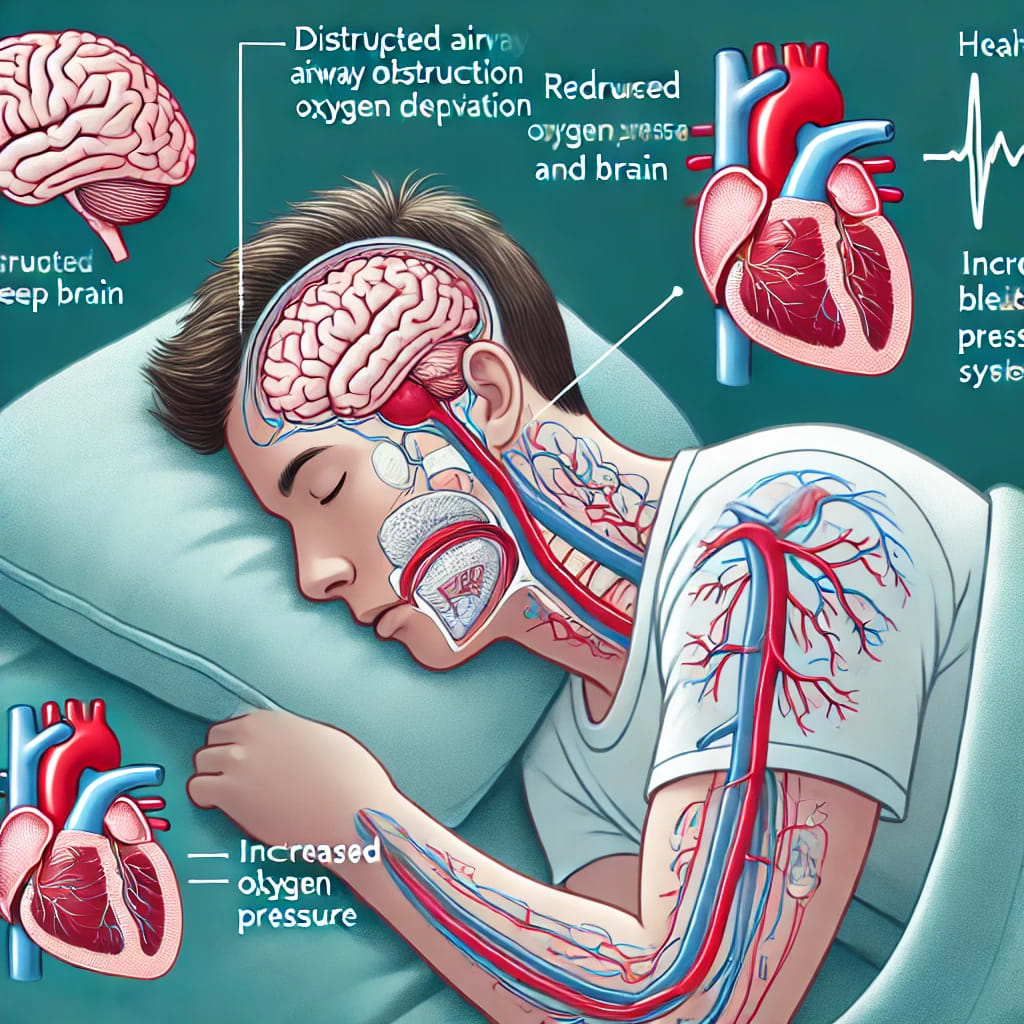
How Sleep Apnea Affects Your Heart and Brain
Sleep apnea is a serious sleep disorder that affects how you breathe while sleeping. People with sleep apnea experience repeated pauses in their breathing, sometimes lasting several seconds. This can happen multiple times per night, preventing the body from getting enough oxygen. Over time, this lack of oxygen can have harmful effects on both the heart and the brain.
How Sleep Apnea Affects Your Heart
Your heart relies on a steady supply of oxygen-rich blood to function properly. Sleep apnea disrupts this supply, leading to increased strain on the heart. Here are some ways sleep apnea affects heart health:
1. High Blood Pressure (Hypertension)
Every time your breathing stops, oxygen levels drop. In response, your body releases stress hormones to wake you up just enough to resume breathing. This process repeats throughout the night, causing frequent spikes in blood pressure. Over time, these repeated spikes can lead to chronic high blood pressure, increasing the risk of heart disease and stroke.
2. Increased Risk of Heart Attacks
The stress on the heart caused by sleep apnea can lead to serious complications. People with untreated sleep apnea are more likely to suffer from heart attacks. The sudden drops in oxygen levels during sleep can put extra pressure on the heart, increasing the risk of heart-related problems.
3. Irregular Heartbeat (Arrhythmia)
Sleep apnea has been linked to irregular heartbeats, also known as arrhythmias. One common type is atrial fibrillation, which can lead to blood clots, stroke, or heart failure. Since the body is repeatedly deprived of oxygen during apnea episodes, it affects the electrical signals that control the heartbeat, making arrhythmias more likely.
4. Heart Failure
Over time, untreated sleep apnea can weaken the heart. The constant effort to restart breathing, combined with repeated oxygen deprivation, makes the heart work harder than it should. This extra stress can eventually lead to heart failure, a condition where the heart cannot pump blood effectively.
How Sleep Apnea Affects Your Brain
The brain is highly sensitive to changes in oxygen levels. When sleep apnea disrupts normal breathing patterns, it directly impacts brain function. Here’s how:
1. Memory Problems and Cognitive Decline
Oxygen is essential for brain function. When the brain doesn’t receive enough oxygen, it struggles to form and store memories. Studies have shown that people with untreated sleep apnea are more likely to develop memory problems and cognitive decline, increasing the risk of conditions like dementia and Alzheimer’s disease.
2. Increased Risk of Stroke
A stroke occurs when blood flow to the brain is blocked or reduced. Sleep apnea increases the risk of stroke because of repeated drops in oxygen levels, which can cause blood vessels in the brain to become damaged. Strokes can lead to long-term disabilities, including difficulty speaking, memory loss, and muscle weakness.
3. Daytime Sleepiness and Brain Fog
People with sleep apnea often wake up feeling tired, even after a full night’s sleep. This is because their sleep is repeatedly interrupted. Lack of quality sleep can cause daytime sleepiness, difficulty concentrating, and mental fog. Over time, these symptoms can affect work performance, relationships, and overall well-being.
4. Mood Disorders (Depression and Anxiety)
Sleep and mental health are closely linked. When sleep is disrupted, it affects mood regulation. People with untreated sleep apnea are more likely to experience depression and anxiety. The stress of poor sleep and the physical strain on the body can lead to mood swings, irritability, and a reduced ability to handle stress.
What Can You Do?
If you suspect you have sleep apnea, it is important to seek medical help. Here are some steps to improve your heart and brain health:
Get a Sleep Study: A sleep test can diagnose sleep apnea and determine its severity.
Use a CPAP Machine: Continuous Positive Airway Pressure (CPAP) therapy helps keep the airway open, preventing breathing interruptions.
Lose Excess Weight: Obesity is a major risk factor for sleep apnea. Losing weight can reduce symptoms and improve overall health.
Avoid Alcohol and Sedatives: These substances relax the muscles in the throat, making sleep apnea worse.
Sleep on Your Side: Sleeping on your back can make sleep apnea worse. Using a special pillow or changing sleeping positions can help.
Stay Active: Regular exercise improves heart health and helps regulate sleep patterns.
Final Thoughts
Sleep apnea is not just about snoring or feeling tired during the day. It is a serious condition that can harm both the heart and brain if left untreated. By understanding its effects and seeking treatment, you can improve your overall health and reduce the risk of life-threatening complications. If you or someone you know has symptoms of sleep apnea, don’t ignore them—take action today for a healthier future.
About the Creator
Keep reading
More stories from Dr manvir bhatia and writers in Journal and other communities.
Nerve Compression & Cluster Headaches: Why a Neurology Sleep Clinic Could Be the Answer
Understanding Nerve Compression and Cluster Headaches Nerve compression and cluster headaches are two serious health concerns that can affect your daily life. If you experience sharp pain in your head or pressure in your nerves, it may be time to consult a specialist. A neurology sleep clinic could be the best place to find relief.
By Dr manvir bhatia12 months ago in Journal
Smart phones, Humans and Aliens.
WARNING. I will be tapping into one of your favorite creative tensions: The absurdity of humans worshipping their glowing rectangles as if they were tiny oracles. There’s something deliciously poetic about that contradiction, and it lends itself beautifully to an instructive proviso.
By Novel Allen4 days ago in Poets



Comments
There are no comments for this story
Be the first to respond and start the conversation.