
Climate Change The Urgent Call for Global Action
Exploring the Causes, Consequences, and Solutions to One of Humanity’s Greatest Challenges

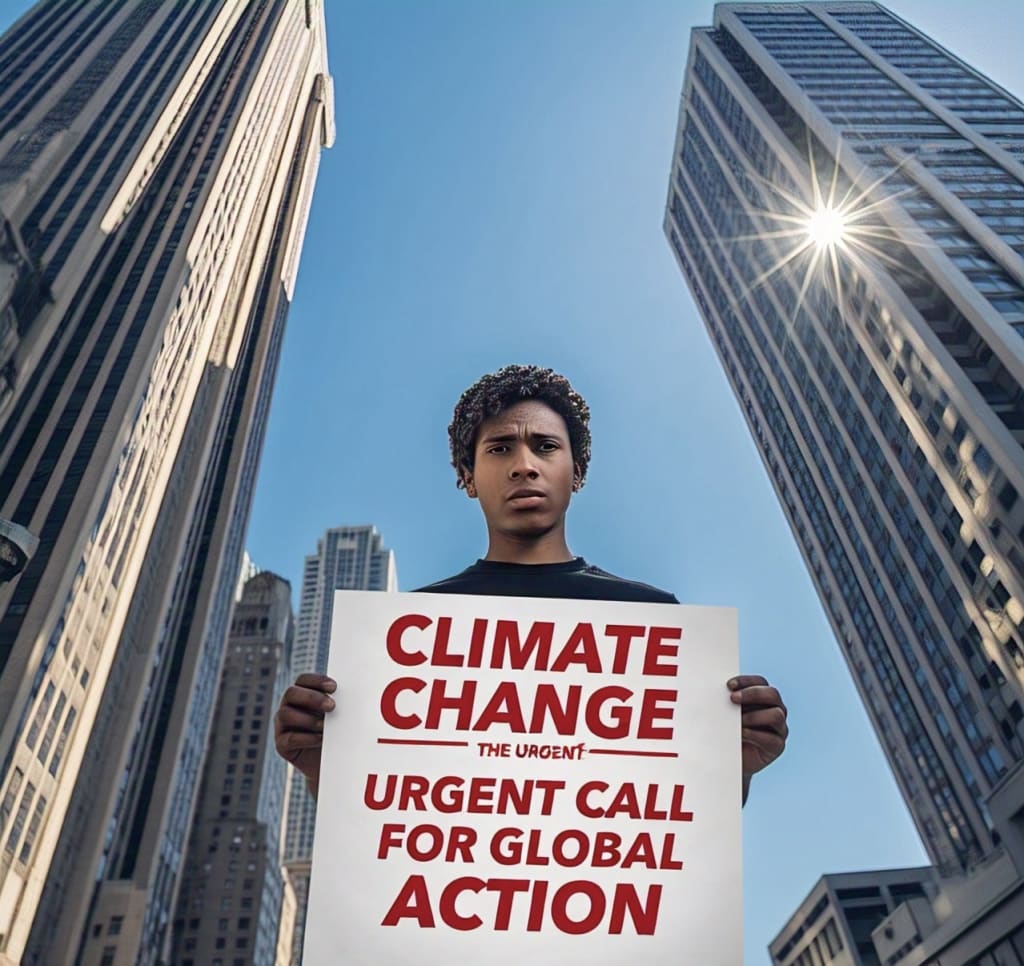
Changes in the climate are a global problem that necessitate immediate action. Climate change is no longer a distant threat—it is a pressing global crisis that is already affecting ecosystems, economies, and communities around the world. The effects of climate change are far-reaching and getting worse, including rising sea levels, extreme weather, loss of biodiversity, and threats to public health. It becomes increasingly apparent, supported by mounting scientific evidence, that swift and coordinated action is required to mitigate its effects and safeguard the planet for future generations. How does climate change work? Climate change refers to long-term shifts in temperatures and weather patterns, primarily caused by human activities. While climate can change naturally over time, the rapid changes we are witnessing today are largely driven by the excessive release of greenhouse gases (GHGs) such as carbon dioxide (CO₂), methane (CH₄), and nitrous oxide (N₂O) into the atmosphere. Burning fossil fuels for energy, deforestation, industrial processes, and agricultural practices all contribute to these emissions. The "greenhouse effect" that causes global warming is caused by greenhouse gases trapping heat in the Earth's atmosphere. Extreme weather events become more frequent and severe as the planet warms, changing weather patterns and affecting natural ecosystems. Changes in the Climate The effects of climate change can be seen all over the world. The most obvious indicators are as follows: • Rising Global Temperatures: Since the late 19th century, the average surface temperature of the Earth has increased by approximately 1.1°C. The last decade was the hottest on record.
• Melting Ice and Rising Sea Levels: Glaciers and polar ice caps are melting at a rate that has never been seen before, which is contributing to rising sea levels. Flooding and erosion pose increased threats to coastal communities. • Extreme Weather: Hurricanes, droughts, heatwaves, and wildfires are becoming more frequent and more intense. • Ocean Acidification: Oceans are absorbing more CO2, making the water more acidic and posing a threat to marine life. • Loss of Biodiversity: Many species are going extinct or migrating as a result of their inability to adapt to rapidly shifting habitats. Change in the climate caused by humans Climate change is primarily caused by human activities. The industrial revolution marked a significant turning point, with the widespread use of coal, oil, and gas. CO2 is massively released into the atmosphere by these fossil fuels. Other human activities contributing to climate change include:
• Deforestation: Trees absorb CO₂, so cutting down forests reduces the Earth’s capacity to regulate greenhouse gases.
• Agriculture: Farming activities release methane and nitrous oxide, particularly from livestock and the use of chemical fertilizers.
• Transportation: The majority of automobiles, trucks, ships, and airplanes run on fossil fuels, which significantly contribute to carbon emissions. • Waste Management: Landfills emit methane, and improper waste disposal increases pollution.
Effects of Not Acting If climate change is not addressed, the consequences will be devastating. Here are some of the major risks:
• Food and Water Insecurity: Changing climate patterns affect crop yields and water supplies, leading to shortages and higher food prices.
• Problems for public health: The spread of infectious diseases, respiratory issues, and heat-related illnesses are all increased by rising temperatures and air pollution. • Economic Disruption: Damage to infrastructure from extreme weather, loss of productivity, and increased healthcare costs will strain economies.
• Mass Migration: Disasters caused by climate change have the potential to force people to flee their homes, escalating displacement and conflict. • Ecosystem Loss: Ecosystems like forests, coral reefs, and others may disappear, reducing biodiversity. Solutions and Our Possibilities Although the challenge is enormous, solutions are within reach. To combat climate change, individuals, businesses, and governments all need to work together on a global scale. Some key strategies are as follows: • Reduce Emissions of Greenhouse Gases: Switching to renewable energy sources like solar, wind, and hydropower can substantially reduce emissions. Adopting cleaner technologies and improving energy efficiency are also essential. • Protect Forests and Reforest: Preventing deforestation and investing in reforestation projects help absorb CO₂ and restore natural ecosystems.
• Support Sustainable Agriculture: Using environmentally friendly farming methods and reducing food waste can lessen agriculture's impact on the environment. • Encourage Clean Transportation: Promoting electric vehicles, public transportation, cycling, walking, and other modes of transportation can all help cut down on emissions from transportation. • Raise Awareness: Public education and awareness campaigns can empower individuals to demand that leaders take action on climate change. Global Initiatives
Addressing climate change is the goal of several international agreements: • The Paris Agreement: Adopted in 2015, it aims to limit global warming to well below 2°C, preferably to 1.5°C, compared to pre-industrial levels. Countries have pledged to reduce emissions and regularly update their targets. • The Sustainable Development Goals (SDGs) set by the United Nations: Goal 13 calls on nations to act quickly to combat climate change and its effects. Conclusion
Climate change is the defining challenge of our time. There is hope if the world acts decisively and collectively, despite the troubling consequences. The larger objective of preserving our planet is served by every effort, no matter how insignificant. Everyone has a role to play, whether it's conserving energy, planting trees, or advocating for policy change. The time to act is now—because the future depends on what we do today.
About the Creator
Samiullah
I am Dr.Samiullah from Pakistan and i am also a Professional Writter and Article Writter Hope u will like my article and stories thank u
SEO Isn’t Dead — It Just Changed: Insights from Ayub Ansary’s Conference Session
Search Engine Optimization (SEO) has been a cornerstone of digital marketing for over two decades, continuously adapting to the shifting sands of search engine algorithms, user behavior, and technological advancements. Despite periodic cries of its demise, SEO remains a vital channel for organic visibility and traffic acquisition. The recent conference session featuring Ayub Ansary provides fresh, data-backed perspectives that challenge the notion of SEO as a fading discipline. Instead, it reveals an industry in flux—one that demands new strategies and higher standards to thrive.
By Muhammad Al Arabi4 days ago in Journal


Comments
There are no comments for this story
Be the first to respond and start the conversation.