
Cancer is on the rise among young adults and women in the United States, according to a study.
It is estimated that there will be more than 2 million new diagnoses and 618,000 deaths from cancer in the country this year, according to the American Cancer Society.

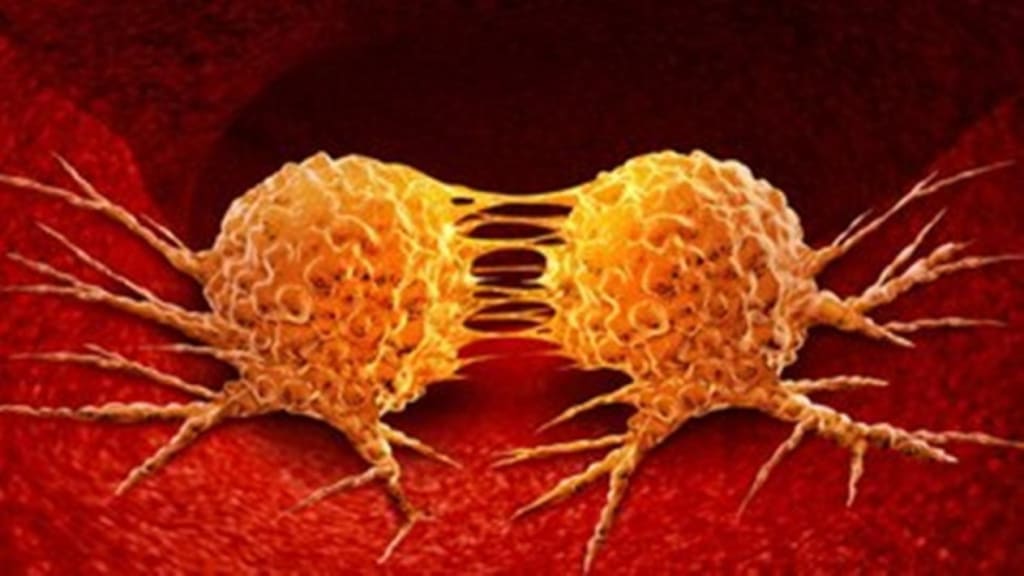
Cancer diagnoses among women and young adults in the United States are trending upward, according to a recent report by the American Cancer Society (ACS).
This phenomenon marks a historic shift in cancer statistics in the country. For the first time since the beginning of the 20th century, women have a higher incidence of the disease than men, particularly in the under-65 age group.
While overall mortality has decreased significantly, gender, age, and racial disparities in cancer rates remain a significant concern.
The report, titled "Cancer Statistics," analyzes data collected between 1991 and 2021 and details both positive and concerning patterns. According to William Dahut, chief scientific officer of the ACS, "cancer is the leading cause of death for people under age 85" in the United States.

Furthermore, it is estimated that there will be more than 2 million new diagnoses and 618,000 deaths from cancer in the United States this year. “This is equivalent to losing two mid-sized cities in this country”
Cancer on the Rise in Women
One of the most notable changes in this analysis is the increase in breast and thyroid cancer cases among young and middle-aged women. According to Rebecca Siegel, chief scientist at the ACS, thyroid cancer was one of the fastest-growing cancers in recent decades, although it has stabilized in recent years. Breast cancer, meanwhile, remains a key driver of these numbers.
This phenomenon has led to the incidence of cancer being 82% higher in women under 50 than in men of the same age range. The data also show that in 2021, lung cancer rates in women under 65 exceeded those of men in the same age group for the first time, with rates of 15.7 versus 15.4 per 100,000 inhabitants.
Despite these increases, cancer continues to primarily affect people over 65, who constitute the highest-risk group. However, the report notes that there is also a worrying increase in the number of diagnoses among people between 50 and 64 years of age, as well as those under 50. This suggests a transformation in the epidemiological profile of cancer in the country.

Racial Disparities
The report not only highlights gender differences in diagnoses but also highlights racial disparities. According to its findings, Native Americans are two to three times more likely than whites to develop kidney, liver, stomach, and cervical cancers.
In another notable case, African American women are less likely than white women to be diagnosed with breast cancer, but their mortality rate is higher. In fact, they are 50% more likely to die from cervical cancer than white women, a disparity that reflects problems of access and quality in medical treatments.
Although advances in medical technology, improvements in early diagnosis, and the widespread decline in tobacco use have significantly contributed to the reduction in cancer mortality, underlying inequalities hinder further progress.
According to the report, since 1991, the cancer mortality rate has decreased by 34%, resulting in 4.5 million deaths averted. However, this positive trend has not been uniform.
Ahmedin Jemal, senior vice president of the ACS and one of the report's lead authors, emphasized that "it is essential to end discrimination and inequity in cancer care for all populations."
Prostate cancer is also showing an alarming increase. According to the report, rates of this type of cancer have grown by 3% annually since 2014, representing the largest increase among common cancers.
This contrasts with the overall decline in the incidence of the disease among men in recent decades, further narrowing the historical advantage they had over women in the overall statistics.
Although recent figures highlight progress in the fight against this disease, researchers warn that factors such as racial and economic inequalities and the rising incidence among younger adults could threaten future progress. The ACS notes that, by 2025, 2,041,910 new cases of cancer and 618,120 related deaths are projected in the United States.

Impact of the Pandemic
In retrospect, the effects of the COVID-19 pandemic also influence these recent trends. During lockdowns and health restrictions in 2020, there were delays in cancer diagnosis and treatment, potentially leading to diagnoses at more advanced stages and, consequently, more serious outcomes.
A study cited by The Guardian estimates that there could be between 4,000 and 7,000 additional deaths from colorectal cancer by 2040 as a result of these delays.
Based on these findings, the study's authors conclude that investment in prevention, early diagnosis, and equity in medical treatment will be necessary to effectively address the inequalities identified.
The fight against cancer, experts emphasize, requires not only technological advances but also ensuring fair and equitable access to health services, especially in the most disadvantaged communities.
About the Creator
Omar Rastelli
I'm Argentine, from the northern province of Buenos Aires. I love books, computers, travel, and the friendship of the peoples of the world. I reside in "The Land of Enchantment" New Mexico, USA...
Keep reading
More stories from Omar Rastelli and writers in Journal and other communities.
The 6 foods in the Mediterranean diet that contribute most to bone health
In a context where almost half of adults over 50 have low bone mass in critical areas such as the femur and spine, nutrition becomes a central tool for preserving bone health over time. The Mediterranean diet, recognized for its emphasis on whole, minimally processed foods, offers a combination of essential nutrients that nutritionists say help maintain bone density and strength.
By Omar Rastelli8 months ago in Journal
Essential Collaboration Skills for Hybrid Work Environments
Introduction Hybrid work has changed how we collaborate—not just where we work, but how we connect, communicate, and contribute. When teams are split between physical offices and remote spaces, collaboration no longer happens naturally. It must be designed, practiced, and protected.
By Nimra kanwal4 days ago in Journal




Comments
There are no comments for this story
Be the first to respond and start the conversation.