
The 6 foods in the Mediterranean diet that contribute most to bone health
A combination of essential nutrients present in this diet can slow the deterioration of bone tissue and strengthen bones in older adults.

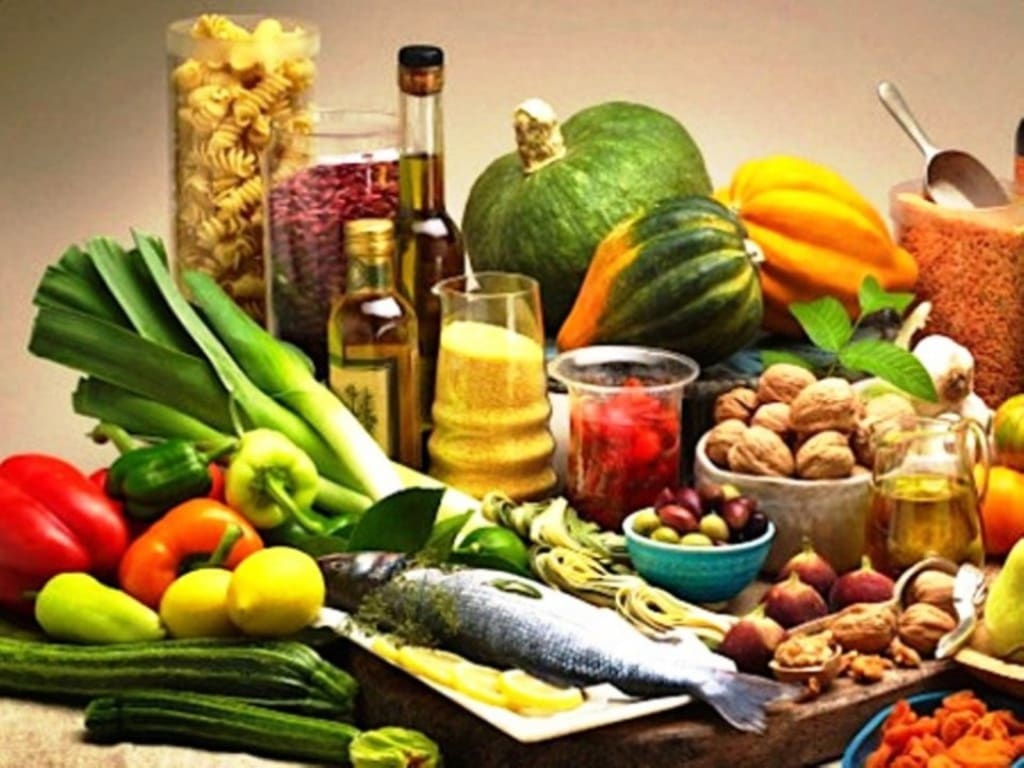
In a context where almost half of adults over 50 have low bone mass in critical areas such as the femur and spine, nutrition becomes a central tool for preserving bone health over time. The Mediterranean diet, recognized for its emphasis on whole, minimally processed foods, offers a combination of essential nutrients that nutritionists say help maintain bone density and strength.
In addition to traditional components such as fruits, vegetables, whole grains, and legumes, this dietary guideline includes healthy fats from nuts, olive oil, and fatty fish, which are essential for the formation and maintenance of bone tissue.
1. Fatty fish: calcium and vitamin D in a single serving
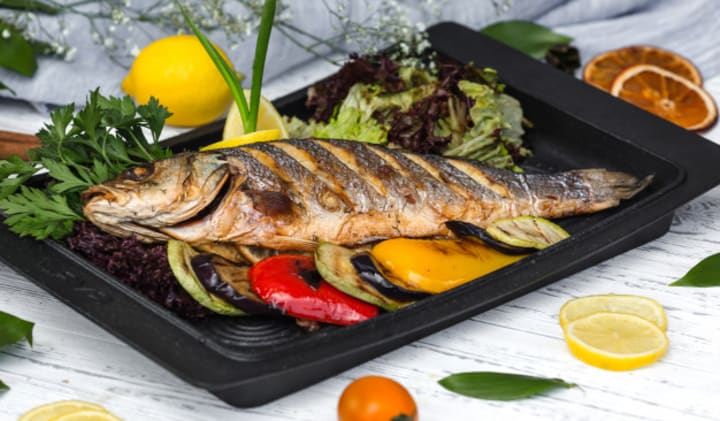
Fish is the main source of protein in the Mediterranean diet, and fatty varieties such as sardines, salmon, mackerel, tuna, and anchovies in particular contain high levels of vitamin D. This nutrient is key for the body to properly absorb calcium, an essential element for bone health.
Canned sardines and anchovies, when eaten with the bones, contain significant amounts of bioavailable calcium. Regularly including these fish in your weekly menu not only provides these vital micronutrients but also replaces other less beneficial protein sources, such as processed meats.
As nutritionist Kelly Powers explained to Eating Well, “Fatty fish such as salmon, mackerel, tuna, and sardines are high in vitamin D, which helps the body absorb calcium effectively.”
2. Leafy Greens: Supplemental Support with Vitamin K
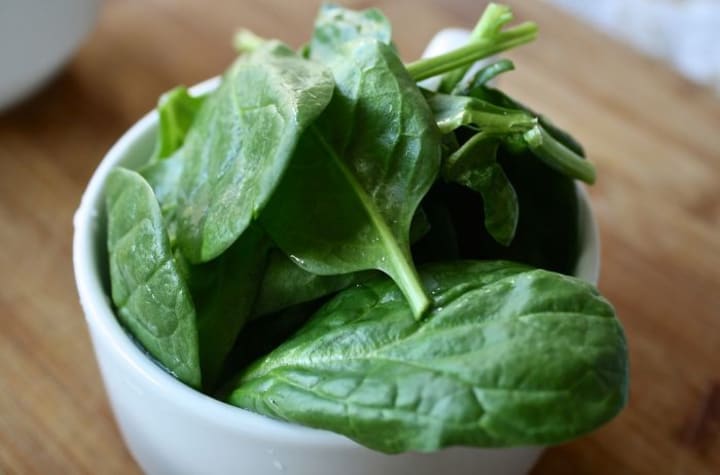
Spinach, kale, turnip greens, and other leafy greens are the plant foundation of the Mediterranean diet. Although they contain calcium, it is not always easily absorbed by the body due to the presence of oxalates, natural compounds that interfere with its bioavailability.
However, their value lies primarily in their contribution of vitamin K, a substance that helps the body better utilize the calcium consumed. Nutritionist EA Stewart tells the specialized media that "turnip greens, also known as turnip greens, are another good source of calcium and grow abundantly in northwest Spain."
3. Cheese: a concentrated source of calcium with moderate consumption
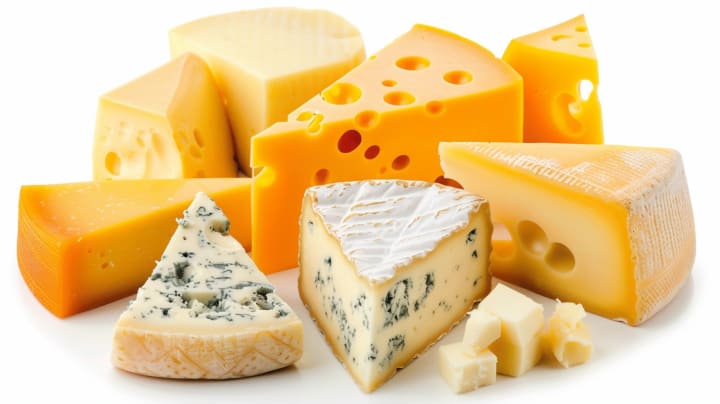
Dairy products, while not central to the Mediterranean diet, can be part of the dietary pattern in moderate amounts. The Dietary Guidelines for Americans suggest 2 to 2.5 cups of dairy per day as part of this nutritional approach, which translates, for example, to 40 grams of cheese.
Among the most recommended varieties are mozzarella, Parmesan, Asiago, and ricotta, all high in calcium. The key is to limit portions, as cheese can also provide high amounts of sodium and saturated fat.
4. Tomatoes: Potassium to Balance Minerals
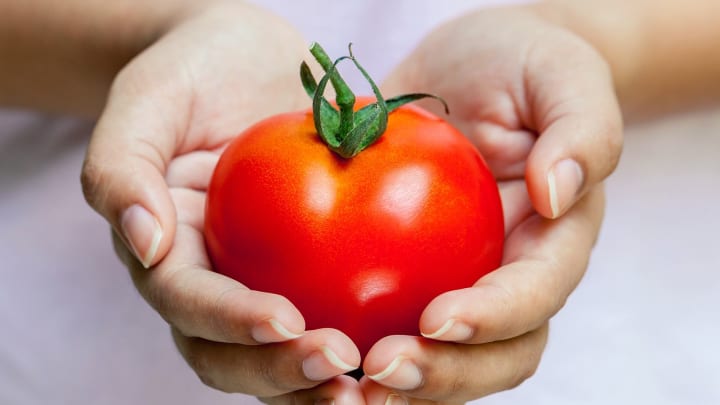
Potassium, a mineral found in tomatoes and their derivatives, plays a key role in maintaining bone density. In contexts where sodium intake is typically high—such as in the standard Western diet—increasing intake of potassium-rich foods helps counteract excessive calcium excretion, a mechanism that weakens bones.
Adding tomatoes to salads, homemade sauces, or as a frequent side dish can help restore the mineral balance necessary to maintain a strong bone structure.
5. Prunes: Small fruit, big impact
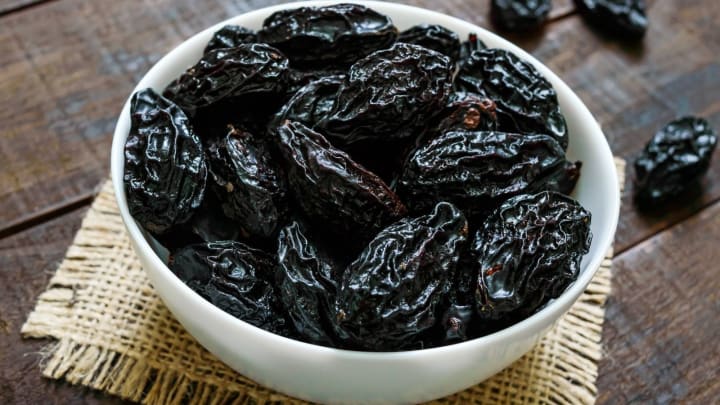
Beyond their reputation for aiding digestion, prunes also offer substantial benefits for bone health. High in potassium, consuming prunes daily in quantities between 50 and 100 grams—equivalent to approximately a quarter or half a cup—has been shown to have positive effects on bone mineral density.
They can be incorporated into smoothies, as a snack with nuts, or even as an ingredient in desserts, such as sokolatakia, which combines prunes, walnuts, and chocolate.
6. Olive oil: much more than cardiovascular health
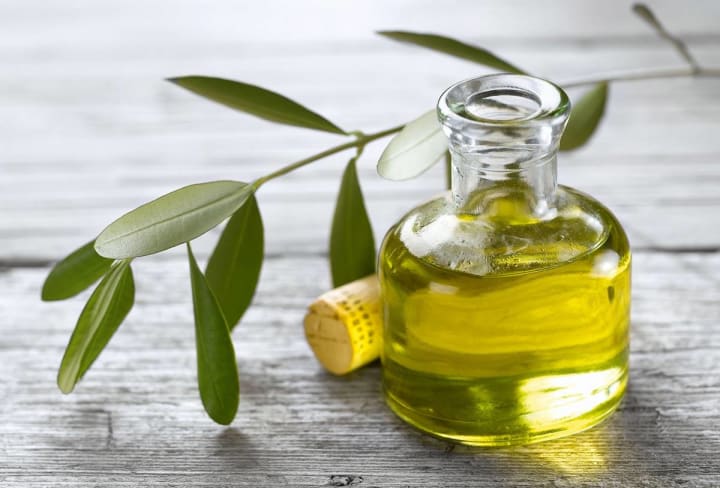
A cornerstone of Mediterranean cuisine, extra virgin olive oil has anti-inflammatory properties that also have a beneficial impact on bones. Studies indicate that regular consumption can help reduce bone resorption and prevent the action of enzymes that break down bone proteins, which in the long term translates into greater bone mass.
Its uses are versatile: from salad dressing to a base for stir-fries or stews, it replaces other less healthy fats and strengthens bone structure within a balanced diet.
Additional Strategies to Protect Bones
Beyond specific foods, some complementary habits are crucial for maintaining bone health:
Vitamin K: essential in processes related to bone mineralization. It is abundant in green leafy vegetables, soy, some fruits, meats, and eggs.
Proteins: essential for the growth and maintenance of bone tissue. They should come from both plant and animal sources, balanced with an adequate intake of calcium and vitamin D.
Alcohol: Excessive alcohol consumption interferes with calcium absorption. According to nutritionist Mandy Tyler, "those who drink alcohol should do so in moderation," which equates to one drink a day for women and up to two for men.
Physical activity: Resistance exercises and strength training, combined with a proper diet, are essential for maintaining bone density and preventing fractures.
About the Creator
Omar Rastelli
I'm Argentine, from the northern province of Buenos Aires. I love books, computers, travel, and the friendship of the peoples of the world. I reside in "The Land of Enchantment" New Mexico, USA...
Keep reading
More stories from Omar Rastelli and writers in Journal and other communities.
Job hunting is no longer a headache: this is how finding a job is faster and easier with the help of AI.
When searching for a job, one of the biggest hurdles is knowing where to start. Job boards offer thousands of vacancies, but it's not always easy to identify the ones that truly suit each individual. In this context, artificial intelligence (AI) is becoming a key tool for streamlining this process.
By Omar Rastelli8 months ago in Journal
The goals I did not achieve
Every writing goal I made for the year is a wash. It has been this way for a while, but I think it's important to be open about my failures and the reality of how life can get in the way. This is especially true considering the several times I have posted on Vocal about my writing goals, how I was changing my approach, and where I was hoping to be for the upcoming year. I will probably do that again in a couple months, but for now, it is time to acknowledge where I am today.
By Kay Husnick24 days ago in Journal
Why Florida Car Dealers Must Carry a Surety Bond
If you’re planning to open a used car dealership in Florida, one of the first compliance requirements you’ll encounter is the dealer surety bond. Many people assume this is just another formality in the licensing process, but it plays a much bigger role than most applicants realize.
By American US Insurance5 days ago in Journal




Comments
There are no comments for this story
Be the first to respond and start the conversation.