
Can a low-carb diet improve cardiovascular health?
A study from the University of Surrey, published in Muscle and Fitness, reveals that this type of diet can be key for the body, with lasting benefits due to its long-term sustainability.


For years, calorie counting has been considered the most effective method for weight control and maintaining good metabolic health. However, many people find this approach extremely difficult to follow consistently.
A study conducted by researchers at the University of Surrey in England yielded surprising results suggesting that a much simpler alternative, such as carbohydrate restriction, can offer similar, and in some cases, even more notable, health benefits, according to Muscle and Fitness.
How the Research Was Conducted
The relationship between carbohydrate consumption and metabolic health remains a matter of debate. While calorie counting was the standard in many weight-control diets, not all approaches were suitable for everyone.
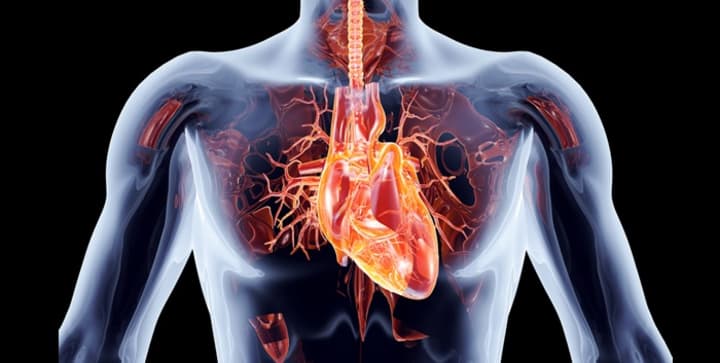
The study conducted at the University of Surrey shows that reducing carbohydrate intake, regardless of the exact calorie count, can offer significant improvements in metabolic markers and cardiovascular health.
This alternative approach presents itself as a more accessible option, especially for those who struggle with the discipline required to accurately count calories.

What method was used in the study
The study, published in the European Journal of Nutrition, included overweight and obese participants between the ages of 20 and 65, who were divided into three different diets:
Standard diet: which included 55% carbohydrates in their total daily calories.
Low-carb diet: restricted to only 50 grams of carbohydrates per day.
Low-carb diet with calorie restriction: a combination of a low-carb diet and controlled calorie intake.
The objective was to examine how carbohydrate restriction affected the participants' metabolism, regardless of the total number of calories consumed.
Study Results
The study results revealed that by reducing their carbohydrate intake, participants experienced significant improvements in several metabolic indicators. Below are some of the most notable benefits:
Improved fat burning: Participants showed an increased ability to burn fat as an energy source, which is critical for both weight management and improving overall health.
Reduction in blood sugar levels: After meals, participants on low-carb diets experienced a significant drop in blood glucose levels. This is relevant for the prevention and management of diseases such as type 2 diabetes.
Improved insulin balance: Low-carb diets helped improve insulin sensitivity, a key factor in regulating blood sugar and preventing insulin resistance.
Reduction in triglycerides: This type of fat, which is associated with an increased risk of heart disease, also decreased significantly in participants on a low-carb diet.
“We found that simply by restricting carbohydrates, without extreme calorie restriction, we can achieve the metabolic effects associated with short-term fasting” summarized Dr. Adam Collins, study co-author and associate professor of nutrition at the University of Surrey.

Time and Carbohydrates: The Importance of Results
One of the study's most surprising conclusions is that even a single-day carbohydrate restriction can bring immediate metabolic benefits. This finding highlights the importance of a low-carb diet as an effective tool for improving metabolic function and overall cardiovascular health.
Furthermore, carbohydrate restriction may be more sustainable in the long term than calorie counting, as it doesn't require meticulous tracking of every food consumed. This may be a deal-breaker for those who find stricter diets tedious.
Dr. Collins also suggests that periodically reducing carbohydrate intake could become a much more accessible and sustainable strategy for managing metabolic health, without the constant challenges of tracking every portion of food.
A Sustainable Alternative for Metabolic Health

This study presents a new perspective on how we approach diet and metabolic health, as carbohydrate restriction, even without exhaustive calorie counting, appears to offer a viable and effective alternative for:
Improving overall health.
Aiding in weight loss.
Reducing the risks associated with chronic diseases such as type 2 diabetes and cardiovascular disease.
About the Creator
Omar Rastelli
I'm Argentine, from the northern province of Buenos Aires. I love books, computers, travel, and the friendship of the peoples of the world. I reside in "The Land of Enchantment" New Mexico, USA...
Keep reading
More stories from Omar Rastelli and writers in Journal and other communities.
The goals I did not achieve
Every writing goal I made for the year is a wash. It has been this way for a while, but I think it's important to be open about my failures and the reality of how life can get in the way. This is especially true considering the several times I have posted on Vocal about my writing goals, how I was changing my approach, and where I was hoping to be for the upcoming year. I will probably do that again in a couple months, but for now, it is time to acknowledge where I am today.
By Kay Husnick20 days ago in Journal
How Much Does It Cost to Start an Inpatient Rehabilitation Center
Understanding the Scope of an Inpatient Rehabilitation Center Establishing an inpatient rehabilitation center requires a precise definition of its therapeutic mission. The facility may focus on post-surgical recovery, addiction treatment, neurological rehabilitation, or multi-disciplinary restorative care. Each focus area carries divergent spatial, staffing, and technological requisites that influence total expenditure. Clarity of scope prevents fiscal drift and reduces costly redesigns later. A comprehensive service blueprint becomes the fulcrum for every subsequent financial decision.
By Fida Hassain3 days ago in Journal




Comments
There are no comments for this story
Be the first to respond and start the conversation.