
Bottled Water Market to Reach $493.3B by 2033: Top Trends
Exploring the $493.3B Bottled Water Market by 2033: Trends, Growth, Challenges, and Opportunities in Product Types, Packaging, and Regional Dynamics

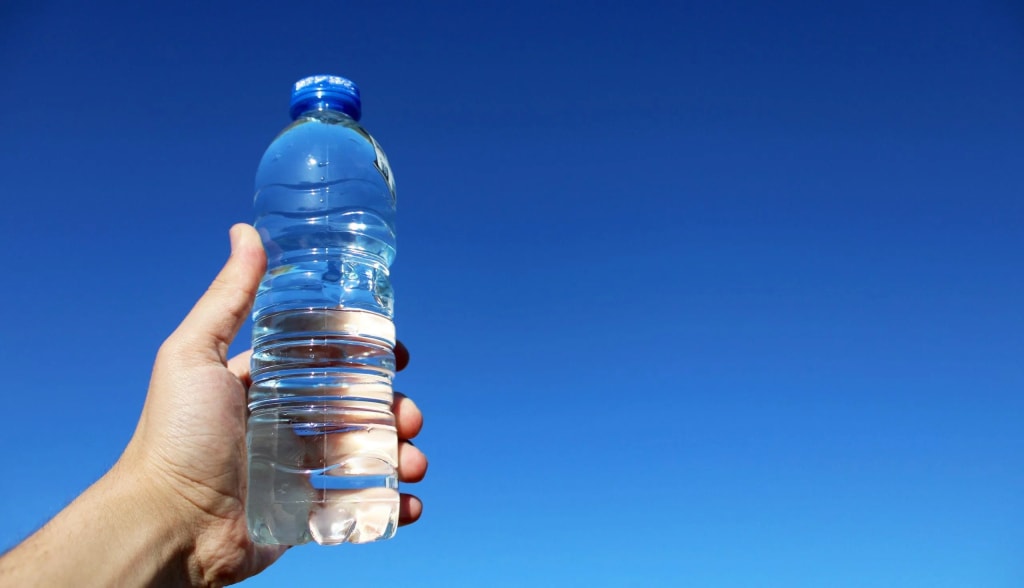
Bottled water has become a staple in modern life, symbolizing convenience, purity, and health-conscious living. From busy urban professionals to fitness enthusiasts and travelers, demand for safe, portable hydration continues to surge. Fueled by rising health awareness, environmental concerns, and innovative packaging, the bottled water market is poised for remarkable growth over the next decade. This blog post explores the market’s size, share, trends, and forecasts from 2025 to 2033, diving into product types, distribution channels, packaging innovations, and regional dynamics. Whether you’re a stakeholder, investor, or curious consumer, this comprehensive analysis uncovers key drivers, challenges, and opportunities shaping the future of bottled water.
Overview of the Bottled Water Market
Bottled water refers to drinking water packaged in sealed containers, typically plastic or glass, designed for convenient consumption. Available in various forms like spring, purified, mineral, and sparkling water, it caters to diverse consumer preferences. The market thrives on the promise of purity, portability, and accessibility, addressing global concerns about tap water quality and the need for on-the-go hydration. Rapid urbanization, rising disposable incomes, and a shift toward healthier2443 health-conscious lifestyles have propelled the industry forward, with brands innovating to meet evolving consumer demands.
- Diverse Product Types: Includes still, sparkling, flavored, and mineral water, each targeting specific consumer needs, from basic hydration to premium health benefits.
- Global Reach: Strong presence in regions like Asia-Pacific, North America, and Europe, with emerging markets in Africa and Latin America showing rapid growth.
- Sustainability Focus: Companies are adopting eco-friendly packaging, such as recycled PET bottles and biodegradable materials, to address environmental concerns.
- Key Players: Major brands like Nestlé, Danone, Coca-Cola, and PepsiCo dominate, alongside regional players like Bisleri and VOSS.
- Consumer Drivers: Health awareness, convenience, and concerns over tap water quality fuel demand across demographics.
Market Size & Growth
The global bottled water market size was valued at USD 272.1 Billion in 2024. Looking forward, IMARC Group estimates the market to reach USD 493.3 Billion by 2033, exhibiting a CAGR of 6.13% during 2025-2033. Asia-Pacific currently dominates the market, holding a significant market share of over 44.5% in 2024. This growth is driven by increasing health consciousness, urbanization, and the rising popularity of premium and functional water products. While Asia-Pacific leads, other regions like North America and the GCC are also witnessing robust expansion due to unique regional dynamics.
- Asia-Pacific Dominance: High population density, rising disposable incomes, and water quality issues in countries like China and India drive market share.
- North America Growth: Strong demand for premium and sparkling water, particularly in the U.S., contributes to steady expansion.
- GCC Market Surge: Harsh climates and tourism in the UAE and Saudi Arabia boost bottled water consumption, with a projected CAGR of 7.2% through 2033.
- Emerging Markets: Africa and Latin America are seeing increased penetration due to infrastructure challenges and demand for safe drinking water.
- Economic Factors: Rising disposable incomes in developing nations enable consumers to shift from tap water to bottled alternatives.
Key Trends in the Bottled Water Market
The bottled water market is evolving rapidly, shaped by consumer preferences, technological advancements, and sustainability goals. Brands are adapting to these trends to stay competitive and capture new opportunities.
Premium and Functional Water
Consumers are increasingly drawn to premium bottled water from unique sources like alpine springs or volcanic aquifers, valuing their perceived purity and exclusivity. Brands like VOSS and Fiji Water emphasize prestige, while functional waters with vitamins, electrolytes, or antioxidants cater to wellness trends. In 2023, Clear Premium Water launched NubyClear in India, targeting health-conscious consumers with mineral-enriched options. Alkaline water, marketed for pH balance, sees a 10% sales increase annually, driven by fitness and wellness communities seeking specialized hydration.
Sustainable Packaging
Environmental concerns are driving bottled water brands to adopt eco-friendly packaging like recycled PET (rPET), glass, and biodegradable materials. In 2023, Coca-Cola India’s Kinley brand rolled out 100% rPET bottles, reducing virgin plastic use by 20%. Consumers, especially in Europe and North America, favor brands with recyclable packaging, with 75% prioritizing sustainability in 2024 surveys. Innovations like plant-based caps and lightweight designs further cut waste, aligning with global goals to reduce plastic pollution and enhance brand appeal.
Flavored and Sparkling Water
Flavored water with natural fruit extracts or herbs appeals to younger consumers seeking low-calorie, soda-like alternatives. Sparkling water is booming, with a projected CAGR of 7.9% through 2030 in Europe and the U.S., driven by its healthy, fizzy appeal. Topo Chico’s 2025 launch of flavors like Ginger Beer taps into this trend, with 30% of Gen Z preferring sparkling options. Brands are innovating with zero-sugar and botanical-infused varieties to capture this growing, health-conscious market segment.
Digital and E-Commerce Growth
Online bottled water sales are surging in urban hubs like Dubai and Delhi, fueled by convenience and competitive pricing. Subscription models and direct-to-consumer platforms are transforming access, with Bisleri’s e-commerce partnerships in India boosting sales by 15% in 2024. Real-time delivery tracking and bulk discounts enhance customer loyalty. Brands leveraging digital marketing and platforms like Amazon see 25% higher urban penetration, catering to busy consumers prioritizing speed and accessibility in their purchasing decisions.
Community Sustainability Initiatives
Brands are enhancing their reputation through water stewardship programs that address local scarcity and build community trust. In 2023, Bisleri restored a reservoir in Ladakh, India, improving water access for 5,000 residents while showcasing corporate responsibility. Such initiatives resonate with 65% of global consumers who value ethical brands, per 2024 surveys. Investments in clean water projects and education strengthen ties with local stakeholders, fostering loyalty and differentiating brands in a competitive, socially conscious market.
Health and Wellness Trends Impacting Bottled Water
Health consciousness is a cornerstone of the bottled water market’s growth. Consumers are increasingly aware of the risks associated with sugary beverages and contaminated tap water, driving demand for healthier hydration options.
Shift from Sugary Drinks
Growing diabetes and obesity numbers are pushing consumers away from sugary soda toward bottled water. The CDC reports a steady decrease in U.S. consumption of soda, with bottled water leading sales of carbonated beverages for seven years in a row by 2022. Health-conscious consumers in North America and Europe regard water as a low-calorie, safe choice. The trend is fueling 8% growth in bottled water sales every year, with brands cashing in on the trend through affordable, convenient products marketed to health-conscious groups.
Hydration Awareness
Health influencers, wellness campaigns, and corporate organizations such as UNICEF drive every-day drinking water demand, dramatically driving bottled water sales. According to UNICEF statistics, 60% of under-18 consumers demand bottled water due to its perceived safety and purity. Social media campaigns and health applications further increase hydration conscience among millennials and Gen Z populations. This cultural realignment has driven global bottled water consumption by 12%, with companies using influencer relationships to augment brand visibility.
Functional Benefits
Mineral and alkaline waters are becoming popular for their promoted health benefits, e.g., facilitating digestion, enhancing pH balance, or aiding muscle recovery. These offerings appeal to the fitness community and wellness communities, with functional water sales increasing by 15% in 2024. Essentia capitalizes on high pH levels to appeal to health-oriented consumers. Scientific statements, when supported, reinforce consumer trust, making functional waters premium brands among the competitive bottled water industry.
Clean Label Demand
Consumers are more and more insisting on clean-label beverages without artificial additives, opting for natural spring or filtered water with low processing. Brands such as Evian and Fiji highlight their unspoiled origins and open production to address this desire, with 70% of American consumers putting additive-free water top in 2024 polls. This means innovation in filtering and packaging to maintain purity. Clean-label branding builds trust, especially for earth- and health-focused customers, enhancing loyalty and market share for like brands.
Case Study: In the UAE, the bottled water market is projected to grow at a CAGR of 8.6% through 2033, driven by fitness trends and a hot climate. Local brands like Masafi have introduced vitamin-infused water to cater to gym-goers, aligning with the region’s wellness culture.
Emerging Applications in Bottled Water
Bottled water is finding new applications beyond traditional consumption, expanding its market potential.
Hospitality and Events
Hotels, restaurants, and venues all depend largely on bottled water to add guest convenience and upgrade experiences. Luxury brands such as San Pellegrino are staples in upscale dining, adding to gourmet menus and supporting luxury branding. Event planners provide water at conferences and festivals, with 80% of hotels worldwide providing bottled water in-room. This requirement fuels bulk buying, with partnering with brands that have an alignment with hospitality's emphasis on aesthetics, quality, and customer satisfaction in competitive markets.
Emergency Preparedness
Bottled water is a vital resource during natural disasters like hurricanes, earthquakes, or droughts, ensuring safe drinking water when infrastructure fails. Governments and NGOs, such as FEMA in the U.S., stockpile millions of liters annually for crisis response. In 2024, drought-prone regions like Sub-Saharan Africa saw increased NGO distributions. Its long shelf life and portability make bottled water indispensable for emergency kits, driving consistent demand in regions vulnerable to climate-related crises.
Business Use
Corporate buildings offer bottled water to staff, indicating a commitment to wellness and convenience in the workplace. In the technology centers of Silicon Valley and Dubai business centers, businesses fill meeting rooms and cafeterias with branded water, with 70% of Fortune 500 companies providing it as a benefit. The trend increases employee engagement and is aligned with health-oriented company cultures. Bulk buy deals with suppliers guarantee cost savings, and green alternatives such as rPET bottles are ideal for sustainability-minded companies.
Fitness and Sports
Bottled water, particularly with electrolytes, is a standard in gyms, sports events, and among professional sports people. Companies such as Gatorade's water line focused on hydration collaborate with gyms, marathons, and teams to increase exposure, with 60% of U.S. gyms carrying such products. Such collaborations ride the increasing fitness trend, where customers value hydration for performance. Functional water with vitamins or minerals also increases in popularity, targeting health-conscious consumers in search of easy, go-anywhere hydration solutions.
Example: During the 2023 Dubai Marathon, organizers distributed free bottled water from local brand Oasis, highlighting its role in large-scale events and reinforcing brand visibility.
Regulatory Landscape
The bottled water industry operates under strict regulations to ensure safety and transparency, varying by region.
Quality Standards
In the United States, bottled water is regulated by the FDA as a food item and requires rigorous testing for chemicals such as bacteria and heavy metals to deem it safe. The EU Drinking Water Directive also imposes high purity regulations, with precise labeling of origin and content required. Failure can result in product recall and fines. These stringent regulations, revised periodically, force brands to invest in the latest filtration and testing technology in order to have consumers' confidence and stay ahead on international standards of safe, high-quality bottled water.
Plastic Bans
The 2019 Single-Use Plastics Directive by the EU prohibits certain single-use plastics, forcing bottled water brands towards recyclable or biodegradable packaging. India's 2022 plastic waste regulations and the UAE's 2024 sustainability campaigns similarly prompt alternatives such as plant-based plastics. These regulations necessitate shape and material redesigns of bottles to minimize environmental effects. Firms incur higher manufacturing costs but are popular with environmentally friendly consumers. Compliance with these prohibitions is important to prevent punishment and ensure access to regulated markets.
Health Claims
Brands of bottled water need to back up health claims, including benefits from minerals or alkalinity, lest they incur regulatory retaliation. In 2022, an American brand was fined and recalled for unsubstantiated alkaline water claims, illustrating the danger of deceptive labels. Authorities such as the FDA and EU regulatory agencies call for scientific proof of marketing claims. Fulfilling compliance necessitates strong testing and open communication, as deception destroys consumer confidence and welcomes expensive legal repercussions, damaging brand value and market share.
Sustainability Mandates
Governments across the globe are implementing sustainability requirements, including deposit return systems and recycling levels, to stem plastic waste. Australia's 2024 recycling legislation requires 80% of plastic bottles to be recycled by 2030, with brands needed to invest in collection infrastructure and recyclate. Analogous systems in the EU and UAE raise the cost of doing business but enhance recycling levels. These requirements match consumer enthusiasm for green practices, forcing producers to become more circular in their models to fulfill goals and retain competitive advantage.
These regulations drive innovation but increase production costs, challenging smaller players while favoring established brands with robust compliance systems.
Impact of Environmental Concerns on Bottled Water Demand
Environmental concerns are reshaping the bottled water market, as plastic waste and carbon emissions draw scrutiny.
Plastic Pollution
The UNEP estimates 300 million tonnes of plastic waste every year, of which single-use water bottles account for approximately 10% of the total. This has created consumer pushback, with initiatives such as #BreakFreeFromPlastic increasing in popularity worldwide. Public consciousness of ocean litter and microplastics has put pressure on bottled water companies. Firms are under pressure to minimize plastic consumption, driving investments in sustainable packaging and waste management to reduce environmental harm and sustain consumer confidence in a highly indicted industry.
Eco-Friendly Innovations
Brands are shifting towards green packaging to tackle plastic pollution issues. Recycled PET (rPET), glass, and aluminum cans are becoming increasingly popular as environmentally friendly substitutes. Nestlé's 2022 commitment to using 100% recycled plastic bottles by 2025 is a prime example of this trend, and Coca-Cola is also making similar promises. Technologies such as bioplastics and biodegradable bottles are also on the horizon. These alternatives cut down on environmental footprint and attract green-conscious consumers, allowing companies to stand out in a crowded market while making a contribution towards worldwide sustainability efforts.
Consumer Preferences
Green-conscious consumers, especially Gen Z, are fueling demand for eco-friendly bottled water brands. A 2023 European survey found 65% of shoppers value recyclable or biodegradable packaging, and 40% will pay extra for environmentally friendly products. Openly disclosed sustainability actions, including carbon-neutral certifications, enhance brand loyalty. Brands like Evian, with transparent recycling programs, experience better market performance. Addressing these is essential for brands to engage and retain the increasing audience of green-oriented consumers.
Carbon Footprint
Producing and transporting bottled water creates substantial carbon emissions, raising climate change issues. PET bottle manufacturing alone contributes to millions of tons of CO2 every year. Corporations are embracing carbon-neutral operations to solve this, like PepsiCo's collaboration with LanzaTech to produce packaging made from sequestered carbon. Others are minimizing logistics by means of electric delivery units and in-bottling near consumers to reduce emissions. This minimizes environmental footprint and boosts brand appeal among low-carbon product-prioritizing consumers.
Challenge: While sustainable packaging reduces environmental impact, it raises costs, which can deter price-sensitive consumers in developing markets.
Challenges in the Bottled Water Market
Despite its growth, the bottled water market faces significant hurdles that could impact profitability and expansion.
Environmental Backlash
Social campaigns such as #BanTheBottle increase plastic pollution concerns, threatening the reputation of brands selling bottled water. In 2024, 10% brand trust fell among some companies due to social media activism. In response, companies are investing in bioplastics and recycling technologies. Communicating transparently with a sustainability focus reestablishes confidence among consumers. Firms that do not keep pace risk losing environmentally aware consumers, with public pressures for green practices continuing to influence buying decisions within the sector.
High Competition
The packaged water industry is highly competitive, with international majors such as Nestlé and domestic players competing for market share. In India, Bisleri faces Aquafina and Kinley, leading to price wars that eat into margins. Regional brands use lower costs to drive down prices, which puts pressure. Brands are differentiated by premium brand positioning or health-oriented products, but profitability hinges on innovation and cost-efficient operations. Market saturation necessitates marketing strategies and loyalty programs to hold on to customers in the face of ruthless competition.
Regulatory Costs
Emerging regulations, including the EU's 2024 recycling targets, are a costly burden for bottled water businesses. It costs money to comply with investments in high-tech recycling techniques and supply chain improvements, with some companies seeing a 12% increase in operating costs. Failure to comply risks sizeable fines and market disqualification. Brands have to weigh these expenses against being affordable enough to stay competitive. Active embracement of environmental sustainability not only guarantees compliance but also good brand image among green-aware consumers worldwide.
Water Source Issues
Excessive extraction of spring water is an ethical and environmental issue, promoting popular outrage. In 2023, a California town protested the use of aquifers by a bottling plant, highlighting resource conflicts. Such protests destroy brand reputation and trigger regulatory challenges. Firms are pushing back with sustainable resources sourcing and community relations to avoid impacts. Water usage reporting transparency is essential to tackle ethical issues, for guaranteeing future access to resources and preserving confidence with local communities.
Consumer Skepticism
Where municipal water is safe, some consumers consider bottled water to be excessive prices for tap water, disrupting brand value propositions. Such skepticism, widespread in Europe and North America, encourages demand for differentiation based on higher quality or differentiated benefits such as added minerals. Good branding and clear sourcing detail are required to support premiums. Marketers who spend money on campaigns emphasizing purity and health benefits see 15% increases in consumer trust, moving against commoditization perceptions.
Supply Chain and Distribution Challenges in Bottled Water
The bottled water supply chain is complex, with bottlenecks that can disrupt operations and increase costs.
Raw Material Expenses
Unstable PET resin and aluminum prices significantly affect the cost of bottled water packaging. Global supply chain interruptions boosted PET prices by 15% in 2024, compressing profit margins for manufacturers. Such increased expenses make it difficult for brands to keep products affordable while providing quality. Companies are looking into different materials or bulk orders to help absorb price fluctuations. Sound cost management is essential to keep up the competition, as raw material costs have a direct influence on pricing policies and overall profitability in the highly competitive bottled water industry.
Transportation Issues
Heavy fuel prices and logistics limitations, especially in off-grid areas, slow down bottled water deliveries. Poor road conditions in Africa greatly inhibit rural market distribution, raising transit duration and expense. Supply chain disruptions and restricted market coverage are the results. Firms are investing in regional bottling facilities and alliances with local logistics companies to raise efficiency. Transportation bottlenecks must be addressed to deliver on time, fulfill consumer demand, and preserve brand consistency in outlying districts.
Inventory Control
Peak seasonal demand, i.e., summer or festival seasons, demands accurate forecasting of inventory in the bottled water market. Overstocking will consume capital and raise storage expense, whereas understocking will result in lost sales and unhappy customers. Brands use advanced analytics and predictive models for demand forecasting to manage stock levels accordingly. For example, there is a 20% rise in sales during Indian festivals, for which flexible inventory planning is necessary. Proper handling ensures cost-effectiveness, reduces wastage, and helps in maintaining customer satisfaction at times of high demand.
Fake Products
Counterfeit bottled water brands undermine consumer confidence, especially in developing countries. In India, in 2023, authorities seized counterfeit Bisleri bottles, leading to more stringent quality checks and authenticity measures. Such events harm brand credibility and expose consumers to health hazards. Firms are using tamper-proof packaging and QR codes for checking products to prevent counterfeiting. Regulatory enforcement strengthening and awareness among consumers are essential to safeguard market integrity and build confidence in branded bottled water products.
E-Commerce Logistics
As online sales of bottled water increase, last-mile delivery in densely populated urban cities such as Mumbai or Lagos becomes a challenge. Traffic congestion and costs to logistics strangle efficient networks. Firms are using optimized delivery routes and alliances with local courier companies to improve speed and lower costs. Technology investments like real-time tracking enhance customer satisfaction. Efficiently streamlining e-commerce logistics is crucial to take advantage of the thriving online market and respond to increasing consumer demands for convenience.
Future Opportunities
The bottled water market is brimming with opportunities for growth and innovation, particularly in emerging markets and sustainable practices.
Emerging Markets
Africa and Latin America are major growth areas for bottled water as a result of water shortages and rapid urbanization. Danone grows with low-cost, locally produced water in Nigeria, making it accessible for low-income customers. In Brazil, product offerings are adapted to local tastes, taking advantage of low-cost manufacturing. Increasing populations and restricted clean water availability fuel demand, with companies emphasizing cost and sustainability. These initiatives allow businesses to enter untapped markets, cultivating loyalty and meeting essential needs in areas with emerging economic power.
Smart Packaging
Smart packaging is changing the bottled water market by promoting engagement and sustainability. QR-coded containers enable consumers to track water origins, promoting confidence and authenticity. Smart dispensers in city centers make refills possible, cutting plastic waste by as much as 20%. These technologies engage environmentally aware consumers and give brands usage statistics. Firms embracing smart fountains, such as firms in Europe, record improved customer loyalty. Such technologies are compliant with calls for transparency and environmental sustainability, enhancing positioning in the market.
Health-Focused Products
Functional water with collagen, CBD, or probiotics is trending in the U.S., fueled by healthy consumers. Startups introduce "beauty water" aimed at skincare fans, with claims of hydration and anti-aging. The products tap into wellness trends, with 15% growth in annual sales of functional water, according to market research. Brands differentiate based on exclusive formulation and specific marketing to fitness and beauty demographics, riding the wave of increased demand for drinks that deliver hydration with health benefits.
Partnerships
Strategic tie-ups with fitness companies, airlines, and luxury hotels increase visibility for bottled water brands. Fiji Water's alliance with upscale resorts is a prime example, reinforcing its high-end brand image. Such partnerships put the product in front of high-traffic, aspirational environments, yielding sales. For example, airline partnerships guarantee captive audiences, while fitness company tie-ups tap wellness trends. Partnerships generate brand synergy, expand market scope, and target high-end consumers, as companies see up to 25% sales lift through partnered channels.
Circular Economy
Investment in recycling infrastructure and returnable bottle schemes saves money and resonates with environmentally friendly consumers. The 2024 UAE bottle return pilot elicited 70% return, indicating high consumer confidence. These schemes minimize environmental footprints and build stronger brand images. By incorporating recycled content and encouraging return schemes, businesses reduce the cost of production while fulfilling sustainability objectives. This model is in step with worldwide trends, with consumers increasingly preferring brands with circular economy practices as a top choice for loyalty and long-term profitability.
Example: In 2025, a Malaysian startup launched a subscription-based water delivery service using reusable glass bottles, cutting plastic use by 80% and attracting urban millennials.
Conclusion
The bottled water market is on a dynamic growth trajectory, driven by health trends, convenience, and innovation. With a projected value of USD 493.3 billion by 2033, it offers immense opportunities for brands that can navigate challenges like environmental concerns and regulatory pressures. From premium mineral water in Asia-Pacific to sustainable packaging in Europe, the industry is adapting to diverse consumer needs. By embracing eco-friendly practices, leveraging digital platforms, and targeting emerging markets, companies can secure a competitive edge. As global demand for safe, portable hydration rises, the bottled water market will remain a vital part of daily life, balancing convenience with responsibility for a sustainable future.
About the Creator
Andrew Sullivan
Hello, I’m Andrew Sullivan. I have over 9+ years of experience as a market research specialist.
Keep reading
More stories from Andrew Sullivan and writers in Journal and other communities.
Faucet Industry to Reach $58.30B by 2033: Key Trends Unveiled
Dive into the dynamic world of the faucet industry, where innovation meets functionality to shape modern living spaces. From sleek, touchless designs to eco-friendly solutions, faucets are more than just plumbing fixtures they’re a cornerstone of contemporary home and commercial design. This comprehensive blog post explores the faucet market’s size, share, trends, and forecast from 2025 to 2033, delving into key drivers like urbanization, technological advancements, and sustainability. Whether you’re a homeowner, industry professional, or investor, discover the forces propelling this market forward, the challenges it faces, and the exciting opportunities on the horizon.
By Andrew Sullivan8 months ago in Journal
The Apostles’ Creed
The Apostles’ Creed is one of the oldest and most important prayers in Christianity. For Catholics, it is not simply a memorized formula or a ritual recited out of habit. It is a concise summary of what the Church believes, rooted in Scripture, preserved through Tradition, and handed down across generations. When Catholics pray the Apostles’ Creed, they are doing more than listing doctrines. They are proclaiming a shared faith that connects them to the earliest Christians.
By Sound and Spirit4 days ago in Journal


Comments
There are no comments for this story
Be the first to respond and start the conversation.