
Boeing 737 MAX 8:
Facts and Safety Updates


The Boeing 737 MAX 8 has been under a lot of scrutiny. It's part of the 737 MAX family and has seen many challenges. This includes groundings, safety worries, and investigations after two fatal crashes.
This article will cover the facts and updates on the Boeing 737 MAX 8. We'll look at its features, the incidents that have shaped its history, and efforts to fix issues. We aim to give a full view of this aircraft and how it's working to regain trust.
Key Takeaways
- The Boeing 737 MAX 8 is a narrow-body passenger aircraft designed as an upgrade to the popular 737 series.
- The 737 MAX 8 has faced groundings and safety concerns following two fatal crashes in 2018 and 2019.
- Investigations have focused on the aircraft's Maneuvering Characteristics Augmentation System (MCAS) and sensor issues.
- Boeing has proposed software updates and other fixes to address the concerns, but the recertification process is ongoing.
- The 737 MAX 8 grounding has had significant financial and reputational impacts on Boeing and the aviation industry.
Understanding the Boeing 737 MAX 8
The Boeing 737 MAX 8 is the latest in the 737 family. It's made for better efficiency and performance. This jetliner has many features and specs that airlines love.
What is the Boeing 737 MAX 8?
The Boeing 737 MAX 8 is a twin-engine plane. It's part of the 737 series. It has a new design, engines, avionics, and aerodynamics for better fuel use and lower costs.

Key Features and Specifications
The Boeing 737 MAX 8 has many standout features and specs:
Dimensions: Length of 39.5 meters (129 feet 8 inches) and a wingspan of 35.9 meters (117 feet 10 inches)
Passenger Capacity: Can hold up to 178 passengers in a typical two-class setup
Range: Can fly up to 6,510 kilometers (3,515 nautical miles) on one tank
Fuel Efficiency: 14% better than the 737 NG models
Avionics: Has the latest flight deck with advanced systems
Engines: Runs on CFM LEAP-1B engines, which are more efficient and quiet
The Boeing 737 MAX 8 is made for airlines to save money and be kinder to the environment. It also gives passengers a comfy and tech-rich flight.

Boeing 737 MAX 8 Groundings and Safety Concerns
The Boeing 737 MAX 8 has faced a lot of scrutiny and safety worries since it started flying. After a few big incidents and crashes, air authorities worldwide decided to stop flying the plane. They chose safety over making money.
The crash of Lion Air Flight 610 in October 2018 was a big wake-up call. It killed all 189 people on board. The investigation found problems with the MAX 8's MCAS system. This led to the Boeing 737 MAX 8 groundings in many places.
In March 2019, Ethiopian Airlines Flight 302 crashed, killing 157 people. These 737 MAX 8 accidents made people even more worried. They led to a global stop of the plane and a deep look at its design and how it was approved.

The issues with the Boeing 737 MAX 8 have really shaken the aviation world. It has led to deep checks, updates, and debates about if the plane is safe to fly.
"The safety of the traveling public is of paramount importance, and Boeing has our full confidence to implement the required changes."
Investigating the Lion Air and Ethiopian Airlines Crashes
The crashes of the Boeing 737 MAX 8 have gotten a lot of attention. These include the Lion Air Flight 610 accident in 2018 and the Ethiopian Airlines Flight 302 crash in 2019. These events have raised big safety concerns and led to the grounding of the aircraft worldwide.
Lion Air Flight 610
On October 29, 2018, Lion Air Flight 610 crashed into the Java Sea. It happened shortly after takeoff from Jakarta, Indonesia. Sadly, all 189 passengers and crew lost their lives.
The investigation found a critical sensor malfunctioned. This error triggered the MCAS system, pushing the plane's nose down. This led to the crash.

Ethiopian Airlines Flight 302
On March 10, 2019, Ethiopian Airlines Flight 302 crashed after takeoff from Addis Ababa, Ethiopia. All 157 people on board were killed. The investigation found the MCAS system was at fault again, due to a faulty sensor reading.
These crashes have shown major design and operational issues with the Boeing 737 MAX 8. This led to its worldwide grounding. Also, big software updates and pilot training improvements were made.


"The crashes of the Boeing 737 MAX 8 aircraft have been a wake-up call for the aviation industry, highlighting the critical importance of rigorous safety standards and thorough design reviews."
Proposed Fixes and Software Updates
After the tragic crashes of Lion Air and Ethiopian Airlines, Boeing has been working hard. They aim to fix the safety issues with the Boeing 737 MAX 8. The main focus is on the Maneuvering Characteristics Augmentation System (MCAS) and the sensors.
MCAS and Sensor Changes
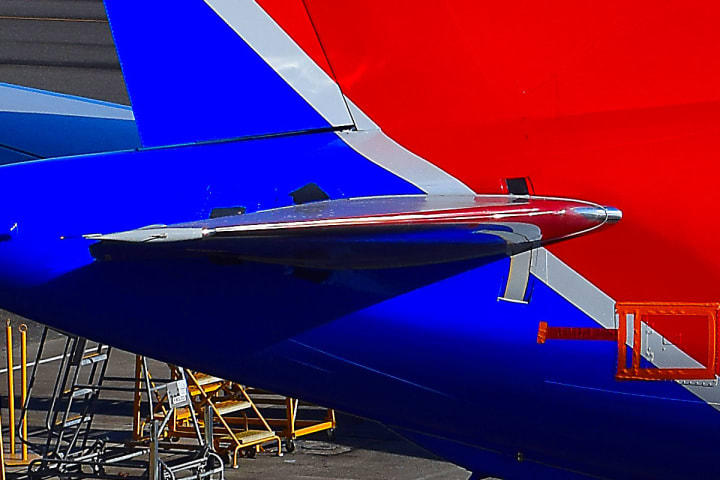
The MCAS system was a big problem in the crashes. Boeing has made big changes to it. They've updated the MCAS software to use data from both sensors, not just one. They've also made it so the MCAS can't push the nose down as much automatically.
Boeing has also improved the sensors in the 737 MAX 8. They've made the angle of attack sensors more reliable. This helps make sure the aircraft's systems get accurate data. It lowers the chance of the MCAS system being triggered wrongly.

These Boeing 737 MAX 8 software updates and MAX 8 MCAS fixes are key steps. They help address safety concerns. They're important for the aircraft's future improvements and recertification.
Regulatory Responses and Recertification Process
The Boeing 737 MAX 8 was grounded after the Lion Air and Ethiopian Airlines crashes. This led to a lot of action from aviation authorities worldwide. The Federal Aviation Administration (FAA) and the European Union Aviation Safety Agency (EASA) were at the forefront. They worked to find out what caused the accidents and to make sure the necessary updates and improvements were made.
Boeing and regulators went through a detailed review of the 737 MAX 8. This included checking the aircraft's systems, training, and certification. They did a lot of testing and worked together to make sure the plane was safe. This was to regain trust and confidence in the aircraft.
Getting the 737 MAX 8 back in the air was a big task. Each country had its own rules and timeline. The FAA and EASA led the way, but other countries like China, India, and Brazil also played a big part.

The recertification of the 737 MAX 8 was key to rebuilding trust. Boeing, regulators, and airlines worked together to fix the issues. This made the industry stronger and better prepared to avoid future tragedies.
Impact on Airlines and the Aviation Industry
The Boeing 737 MAX 8 grounding has hit the airline industry hard. It has caused financial losses and shaken passenger trust. Airlines with MAX 8s in their fleets faced many problems. These included canceled flights, delayed deliveries, and big financial losses.
Financial Implications
Airlines like Southwest, American, and United lost a lot of money. For example, Southwest Airlines said it lost $200 million in 2019. American Airlines expected to lose $350 million before taxes. These losses were made worse by the need to find new planes to use.
Passenger Confidence and Public Perception
The MAX 8's safety issues have made people worry about flying. Fewer people want to fly on MAX 8s. Airlines are trying to make sure everyone feels safe again.
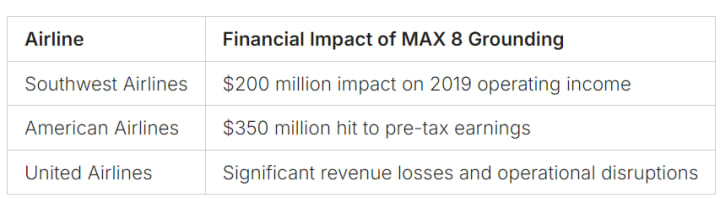
The MAX 8 grounding has hurt airlines and made people doubt flying safety. The industry is working to get the MAX 8 flying again. But first, they must win back passenger trust.
Boeing 737 MAX 8: Future Outlook
The aviation world is watching closely as the Boeing 737 MAX 8 faces challenges. Experts are keen on when it will fly again and what changes it might see. This includes updates to its design and how it's made.
The Boeing 737 MAX 8 future depends on fixing safety issues. Boeing must win back trust in the aircraft. This is key for its MAX 8 return to service and the 737 MAX 8 market outlook.
Analysts think the MAX 8 might fly again by late 2023 or early 2024. But, the exact date is still up in the air. Boeing must fix past problems and add new safety features.
"The MAX 8's return to service will be a critical test for Boeing and the entire aviation industry. Regaining public trust will be essential for the aircraft's long-term success."
After the grounding, Boeing might make the MAX 8 safer and more reliable. They could improve the flight control systems and add more sensors. They might also change how pilots are trained.
The 737 MAX 8 market outlook is uncertain. Airlines and passengers might be cautious until they're sure it's safe. But, the need for efficient planes could help the MAX 8 regain its place in the market.
The future of the Boeing 737 MAX 8 is a big deal for the aviation world and travelers. Its safe return will test Boeing and the industry. It will also have a big impact on the global aviation market.

Lessons Learned and Improving Aviation Safety
The Boeing 737 MAX 8 incidents have made the aviation industry wake up. They are now focusing more on aviation safety improvements. The industry is learning from the 737 MAX 8 lessons learned and starting new initiatives. These include better pilot training and stronger rules.
Enhancing Pilot Training
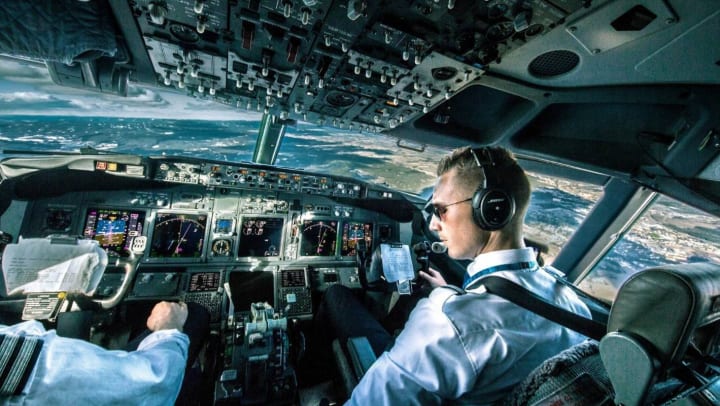
One big lesson from the 737 MAX 8 incidents is the need for better pilot training and regulation changes. Airlines and regulators are making sure pilots know their aircraft well. This includes:
- Mandatory simulator training for pilots to get to know the aircraft's handling and emergency procedures.
- More focus on hands-on, scenario-based training to prepare pilots for real-world situations.
- Improving pilot communication and decision-making skills for effective emergency responses.
Regulatory Reforms and Oversight
The industry is also looking at how it's regulated. This includes:
- Strengthening the certification process for new aircraft models for a thorough safety review.
- Increasing oversight and transparency of the relationship between manufacturers and regulators.
- Improving data-sharing and collaboration among global aviation agencies to spot and fix safety risks.
By learning from the 737 MAX 8 incidents, the industry is making air travel safer. These aviation safety improvements aim to restore public trust and ensure a safer future for flying.
"The safety of the traveling public must be the top priority for the aviation industry. The lessons learned from the 737 MAX 8 incidents will guide us towards a future where air travel is safer than ever before."
Conclusion
The Boeing 737 MAX 8 saga has been a complex chapter in aviation history. It started with the tragic crashes of Lion Air Flight 610 and Ethiopian Airlines Flight 302. These incidents led to the global grounding of the aircraft and ongoing efforts to address safety concerns.
Looking ahead, the Boeing 737 MAX 8 will remain a key focus for the aviation industry. Proposed fixes and software updates are crucial for its future. The lessons learned from this experience highlight the need for better pilot training, regulatory oversight, and a strong safety commitment.
The key takeaways from this saga are clear. There's a need for more transparency and better communication between manufacturers and regulators. Safety must always come first, even when commercial interests are at play. As the industry works to regain public trust, it's vital that everyone stays involved in improving aviation safety.

FAQ
What is the Boeing 737 MAX 8?
The Boeing 737 MAX 8 is a new type of passenger plane. It's part of the Boeing 737 MAX series. It's made to use less fuel and have the latest technology compared to older 737 models.
What are the key features and specifications of the Boeing 737 MAX 8?
The Boeing 737 MAX 8 can fly up to 3,550 nautical miles. It can carry up to 178 passengers. It also uses new engines and designs to save fuel.
What were the groundings and safety concerns surrounding the Boeing 737 MAX 8?
The plane was grounded after two crashes in 2018 and 2019. These crashes were linked to a system called MCAS. This led to a global safety review and updates to make the plane safer.
What were the findings from the investigations into the Lion Air and Ethiopian Airlines crashes?
The crashes showed that MCAS played a role in both accidents. The investigations also found problems with sensors and pilot training on MCAS.
What are the proposed fixes and software updates for the Boeing 737 MAX 8?
Boeing has made new software and design changes for MCAS and sensors. These updates aim to make the MAX 8 safer and fix the issues found in the investigations.
What is the regulatory process for the recertification of the Boeing 737 MAX 8?
The MAX 8 needs approval from aviation authorities like the FAA and EASA. This review ensures the updates meet safety standards before it can fly again.
How has the grounding of the Boeing 737 MAX 8 impacted the aviation industry?
The grounding has caused big financial losses for airlines. It has also made people less confident in flying. The industry is working to regain trust and improve safety.
What is the future outlook for the Boeing 737 MAX 8?
The MAX 8's future depends on fixing the issues, getting regulatory approval, and rebuilding trust. Boeing and regulators are focusing on making the plane safe again. They're improving pilot training and overall safety in aviation.
About the Creator
Etienne Gauthier-manuel
"He/Him, Aviation enthusiast, ski competitor, tennis player, and book lover."
Keep reading
More stories from Etienne Gauthier-manuel and writers in Journal and other communities.
Exploring the World of Aviation
Did you know over 100,000 commercial flights fly every day? The aviation world is huge and complex. It's key to our global economy and daily lives. As an aviation fan, I'm excited to take you on a journey through this amazing industry.
By Etienne Gauthier-manuelabout a year ago in Journal
Saudi Arabia says it has $2.5 trillion in mineral reserves. That could make it a key player in the race for rare earths
Saudi Arabia is well known as one of the world’s dominant oil producers, but in recent years the Kingdom has quietly revealed another potentially game‑changing source of national wealth: its vast mineral reserves. Officials now estimate that the value of Saudi Arabia’s untapped minerals surpasses $2.5 trillion, with significant deposits of rare earth elements, phosphate, gold, copper, zinc and other critical materials. This discovery and valuation put the Kingdom in a potentially influential position in the global race for rare earths and other strategic minerals that are essential to modern technology, clean energy and national security.
By Salaar Jamali4 days ago in Journal


Comments
There are no comments for this story
Be the first to respond and start the conversation.