
Exploring the World of Aviation
The complete guide
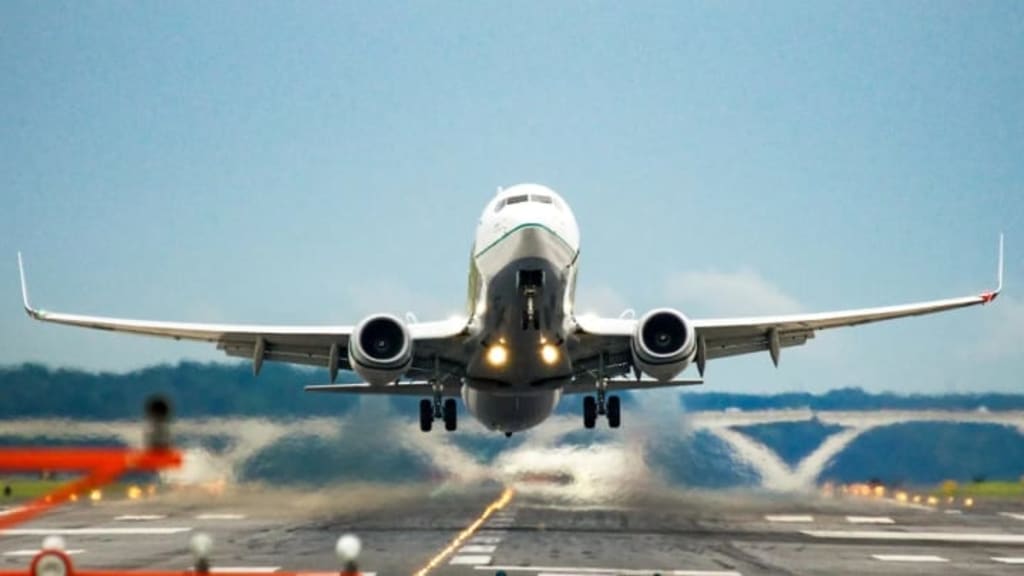
Did you know over 100,000 commercial flights fly every day? The aviation world is huge and complex. It's key to our global economy and daily lives. As an aviation fan, I'm excited to take you on a journey through this amazing industry.
In this guide, we'll explore the aviation world deeply. We'll cover history, flight basics, and the latest in aircraft and commercial flying. This guide is for anyone interested in aviation, whether you fly often, want to be a pilot, or just want to know more about it. It will give you a full view of the aviation world.
Key Takeaways
- Discover the rich history and evolution of aviation, from the Wright brothers to modern-day jet aircraft.
- Explore the different types of aircraft and their unique capabilities, from commercial airliners to private jets and military aircraft.
- Understand the critical infrastructure and operations that support the aviation industry, including airports, air traffic control, and ground handling.
- Learn about the safety standards, regulations, and technological innovations that ensure the aviation industry remains at the forefront of transportation.
- Gain insights into the diverse career opportunities and educational paths available within the dynamic aviation sector.
Introduction to Aviation
The world of aviation is filled with human creativity and a drive for new ideas. It has grown from the first flights to today's advanced planes. We'll look at the key ideas and important moments that have shaped the aviation world.
Understanding the Fundamentals
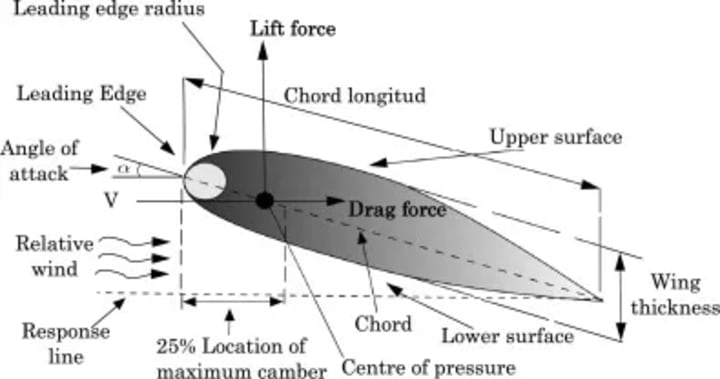
Aerodynamics, propulsion, and aircraft design are at the core of aviation. Knowing these basics helps us understand how planes fly. Aerodynamics deals with air movement and its effects on objects, creating lift and drag.
Propulsion systems, like engines, give planes the power to move through the air. Aircraft design, from wings to body shape, makes flying possible and efficient.
The History of Flight
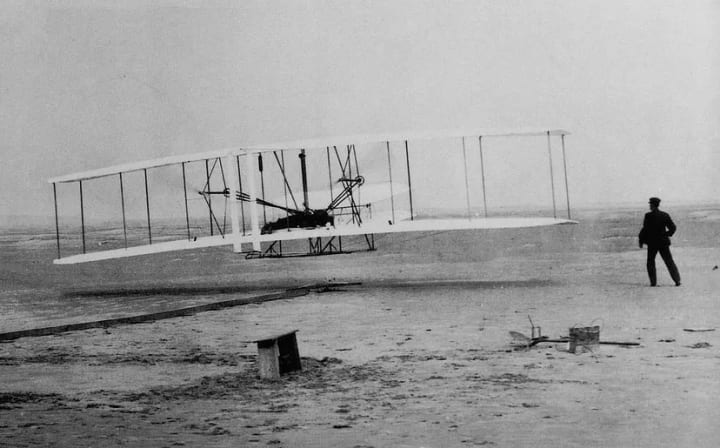
The Wright brothers' first powered flight in 1903 was a major milestone. It opened the door to many advancements.
In the early 1900s, brave pilots and inventors made big strides in aviation. They built better planes and improved flying skills.
World Wars I and II sped up aviation progress. They led to better plane designs, aerodynamics, and engines.
After the wars, aviation turned to commercial flying. Passenger jets and global air travel became common.
Now, aviation keeps growing. It focuses on green practices, new technology, and exploring new air travel paths.
The story of aviation shows our endless curiosity and determination. From the first flights to today's wonders, the fundamentals of aviation have driven its success.
Types of Aircraft
The aviation world is full of different aircraft, each with its own purpose. Commercial airliners carry passengers over long distances. Military fighters protect our skies with their speed and agility.
Commercial aviation is key, with airlines using aircraft for passengers and cargo. These "airliners" focus on comfort, efficiency, and reliability for long trips.
General aviation is another big part of the aerospace world. It includes small planes, business jets, helicopters, and experimental aircraft. These aircraft are for personal, recreational, and specialized use.
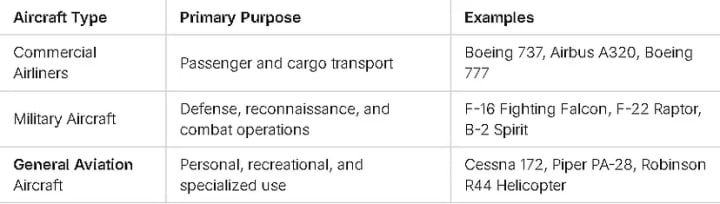
Every aircraft type is important in the aviation world. They help with air travel, national defense, and more. As technology grows, we'll see new aircraft designs. They will change how we fly and experience the sky.
Aviation Infrastructure
The aviation industry is built on a complex system. It includes airports, air traffic control, and ground handling. These parts work together to make air travel safe and smooth. They connect people and places all over the world.
Airports and Air Traffic Control
Airports are the starting points for flights. They handle passengers and cargo. From big international airports to smaller ones, they meet the growing need for flying.
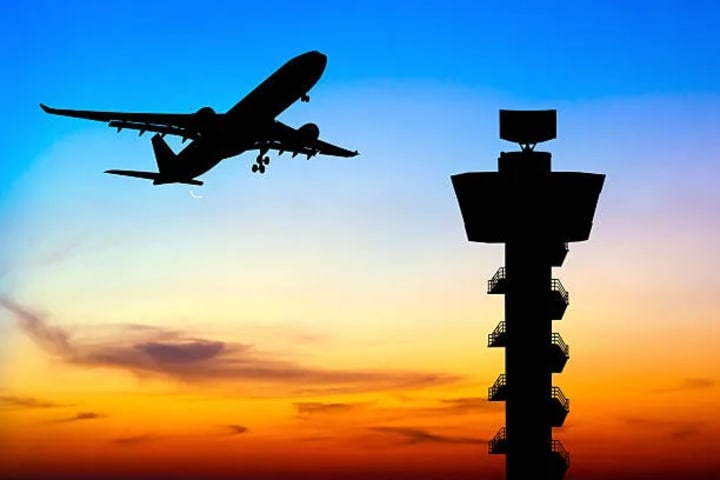
Air traffic control systems manage the skies. They keep planes safe and moving efficiently. This is crucial for air travel.
Air traffic controllers guide planes, making sure they stay apart and follow rules.
Systems like radar and communication help track planes in real time. This makes the skies more efficient.
Tools for weather and flight planning help deal with bad weather. This makes flying more reliable.
Ground Handling Operations
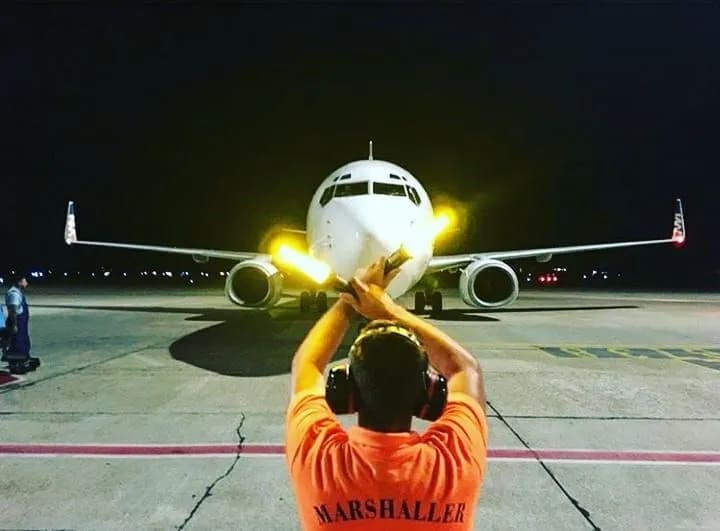
Ground handling is key to airport operations. It includes fueling, maintenance, and handling passengers and cargo. These tasks are crucial for smooth flights.
Ground crews load and unload planes safely and quickly. This saves time.
Special equipment like loaders help make ground handling more efficient.
Strong security and safety measures protect everyone during these activities.
The aviation infrastructure is vital for air travel. It includes airports, air traffic control, and ground handling. By improving this, the industry can meet the increasing demand for flying. This ensures safe and efficient travel for people and goods globally.
Commercial Aviation
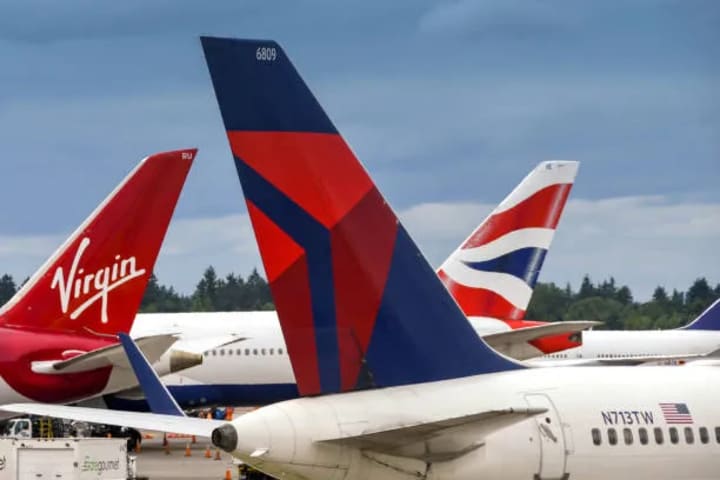
Commercial aviation is key to global travel, linking people and businesses worldwide. It has grown to meet today's travel needs, from airline operations to passenger experience.
Airline Operations
Airline operations are complex and vital. Airlines plan flights, maintenance, and ground handling to keep schedules on track. They manage crew, fuel, and safety to ensure a smooth journey.
Passenger Experience
For millions flying each year, the journey matters a lot. Airlines aim for a smooth trip, from check-in to in-flight comfort. They offer meals, drinks, and entertainment to meet passenger needs.
Airline Operations Passenger Experience
- Flight scheduling
- Aircraft maintenance
- Ground handling
- Crew scheduling
- Fuel management
- Airport check-in
- In-flight amenities
- Meals and beverages
- Entertainment options
- Baggage handling
Airlines must balance efficiency with a great passenger experience. By keeping up with trends and using new tech, they make flying better for everyone.
"The true engine of global commerce is not the Internet, but the airplane." - Thomas Friedman, author and journalist

General Aviation
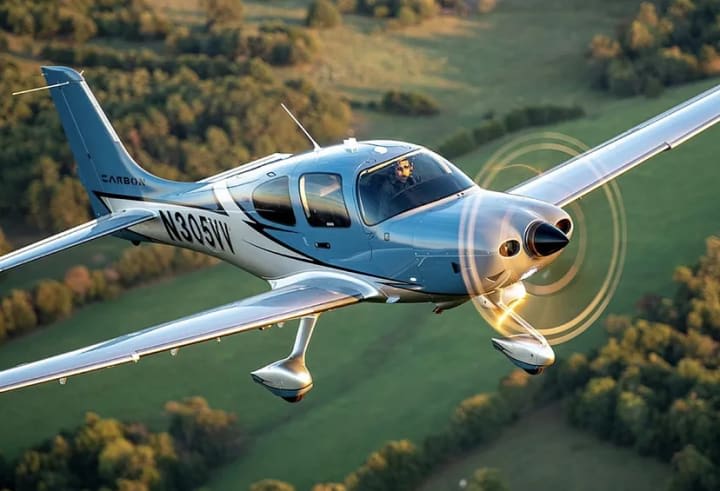
Commercial aviation gets a lot of attention, but general aviation is much broader and more varied. It includes private plane ownership, recreational flying, and specialized operations. This sector offers a unique view of the aviation world.
At its core, general aviation is about personal flight. Private pilots can fly whenever they want, for work or fun. They use everything from small piston planes to bigger turbine planes, fitting all sorts of budgets and tastes.
Recreational aviation is another big part of this world. People enjoy activities like gliding, parachuting, and ultralight flying. These activities let people feel the thrill of flying in a more personal way.
General aviation also covers specialized operations. This includes aerial photography, crop dusting, and emergency medical transport. These unique uses show how important and versatile this sector is, helping many industries and communities.
Whether you're a seasoned pilot or just curious, general aviation is fascinating. It shows the many sides of aviation, from personal flights to specialized uses. This sector keeps inspiring aviation fans all over the world.
Segment Description Examples Private Aviation Personal aircraft ownership and operation for business or leisure Single-engine piston, turbine-powered planes Recreational Aviation Specialized aviation activities for personal enjoyment Gliding, parachuting, ultralight flying Specialized Operations Unique applications of aviation technology and expertise Aerial photography, crop dusting, emergency medical transport
"The beauty of general aviation is that it opens up the world to those who might not otherwise have access to it."
Aviation Safety and Regulations
Safety is the top priority in aviation. Aviation safety standards and a strong regulatory system are key. They make sure planes fly safely. We're dedicated to safety, showing it through our detailed safety plans.
Aviation Safety Standards
Aviation safety standards are the basics of our work. They cover many areas, like plane design and pilot training. We have strict safety checks and systems to keep flights safe.
Stringent aircraft certification and airworthiness requirements
Comprehensive pilot and crew training programs
Robust maintenance and inspection protocols
Advanced air traffic management and communication systems
Continuous monitoring and data analysis to identify and mitigate risks
Regulatory Bodies and Compliance
The aviation world follows a detailed regulatory framework. Bodies like the Federal Aviation Administration (FAA) and the International Civil Aviation Organization (ICAO) set the rules. These rules are for everyone in aviation.
Following these rules is a must. It's not just the law; it's our duty. By sticking to these rules, we keep everyone safe and earn the public's trust.
"Aviation safety is not just a priority, it's a way of life in our industry. We are committed to continuously improving our standards and practices to ensure the safe passage of every passenger and crew member."

Aviation Technology and Innovations
The aviation industry is leading in technology, always looking to do more. It's all about avionics, aerodynamics, and sustainable aviation. This era is changing everything.
Avionics and Aerodynamics
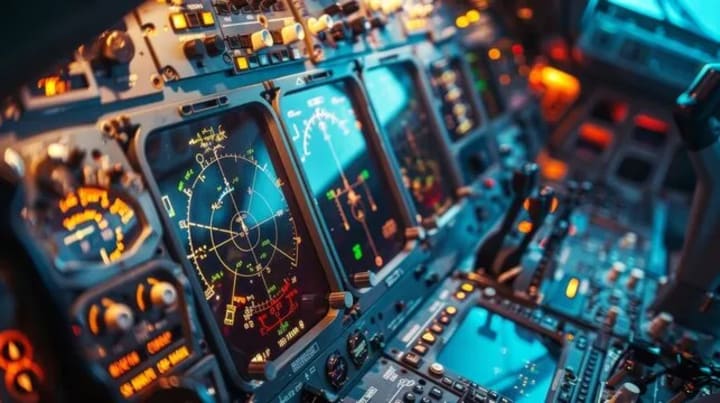
Avionics, the tech that runs planes, has made huge strides. New navigation, better displays, and auto-flight control are changing flying. They make it safer and more efficient.
Also, aerodynamics is improving, making planes use less fuel and pollute less. They're also quieter now.
Sustainable Aviation Practices
The world is waking up to environmental issues, and so is aviation. It's moving towards sustainable aviation. New materials, biofuels, and electric planes are on the horizon.
Airlines are also getting greener. They're flying smarter routes and handling planes better to cut down on emissions.
These new aviation technologies and ways of doing things are changing air travel. It's becoming better for the planet and for passengers. We're in for even more exciting changes soon.
"The future of aviation lies in the seamless integration of technology and sustainability, where the skies are cleaner, flights are more efficient, and the passenger experience is truly elevated."

Aviation Careers and Education
The aviation industry is full of excitement and opportunities. It offers many jobs for those who love flying and aviation. From pilots to air traffic controllers, each role is crucial for safe skies.
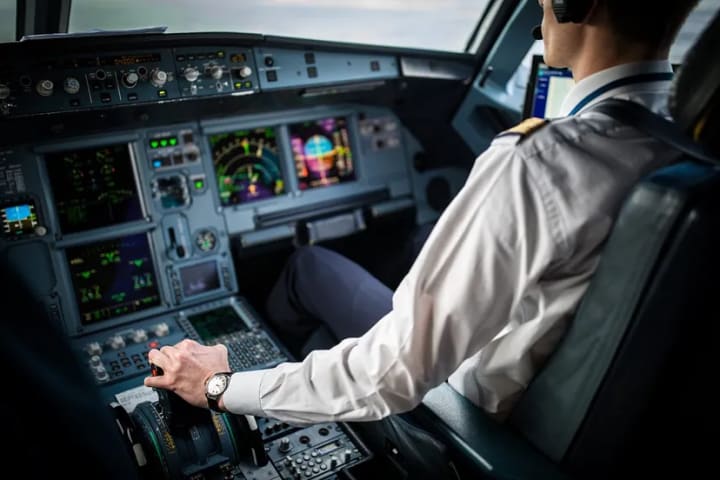
Starting a career in aviation often means a lot of education and training. Pilots need to learn a lot to fly safely. Air traffic controllers also need special training to manage air traffic well.
There are also jobs in engineering, maintenance, and airport operations. These roles need technical skills and a good understanding of the industry.
If you dream of flying or working behind the scenes, the aviation industry has many options. With the right education and hard work, you can achieve your goals.
Aviation Career Paths Education and Training Requirements Pilot Bachelor's degree in aviation or a related field, pilot training, and certification Air Traffic Controller Bachelor's degree in aviation or a related field, specialized air traffic control training, and certification Aerospace Engineer Bachelor's degree in aerospace engineering or a related field, and often a master's degree or Ph.D. Airport Operations Manager Bachelor's degree in aviation management, business administration, or a related field, with relevant experience
Finding the right job in aviation can be tough. But with the right help and preparation, you can reach for the sky. Whether you want to fly or work behind the scenes, there are many chances to grow and succeed.
The Future of Aviation
The aviation industry is set for exciting changes. New technologies and sustainable practices will shape air travel. These advancements will change how we fly.
A big trend is making air travel more eco-friendly. Airlines and makers are looking into biofuels and electric planes. This will cut down on pollution and make flying greener.
New tech like AI, automation, and data will also change things. They will make flying safer and more efficient. This tech will improve the whole flying experience.
FAQ
What are the fundamental principles of flight?
Flight is based on aerodynamics. This includes lift, drag, thrust, and weight. These principles help aircraft fly by overcoming gravity.
What are the key milestones in the history of aviation?
Key milestones include the Wright brothers' first flight in 1903. The 1940s saw early jet engines. The 1950s brought commercial jet airliners. Later, avionics and automation advanced.
What are the different types of aircraft?
There are many aircraft types. These include airliners, private planes, military jets, cargo planes, and helicopters. Each serves a specific purpose.
How does air traffic control system work?
The air traffic control system uses ground controllers, radar, and communication. It ensures aircraft move safely and efficiently.
What are the key aspects of airline operations?
Airline operations include scheduling, maintenance, crew management, and passenger handling. Airlines must coordinate these to ensure smooth flights.
What is the difference between commercial aviation and general aviation?
Commercial aviation involves scheduled flights by airlines. General aviation includes private flying, training, and specialized operations.
What are the key safety standards and regulations in the aviation industry?
The aviation industry follows strict safety standards. Organizations like the FAA and ICAO oversee these. They cover aircraft design, maintenance, and pilot training.
What are some of the latest innovations in aviation technology?
Aviation is always improving. Advances include more efficient engines and flight automation. There's also work on sustainable fuels and systems.
What are the career opportunities in the aviation industry?
Aviation offers many careers. These include pilots, air traffic controllers, and engineers. Each role requires specific training. The industry is growing as air travel increases.
About the Creator
Etienne Gauthier-manuel
"He/Him, Aviation enthusiast, ski competitor, tennis player, and book lover."
Keep reading
More stories from Etienne Gauthier-manuel and writers in Journal and other communities.
Prince Harry Addresses UK Tabloid Lawsuit in Viral Courtroom Moment Why the World Is Watching
Prince Harry, Duke of Sussex, has once again found himself at the center of global attention after delivering a highly emotional and widely shared courtroom testimony in his ongoing legal battle against sections of the UK tabloid press. Within hours, clips, quotes, and headlines from the courtroom dominated news feeds, Google searches, TikTok explainers, and social media timelines across both the United States and Europe.
By Omasanjuwa Ogharandukun5 days ago in Journal



Comments
There are no comments for this story
Be the first to respond and start the conversation.