
Biofuels vs. Batteries: The Battle for the Future of Clean Energy
Can the world’s clean energy future be powered by plants—or by lithium?
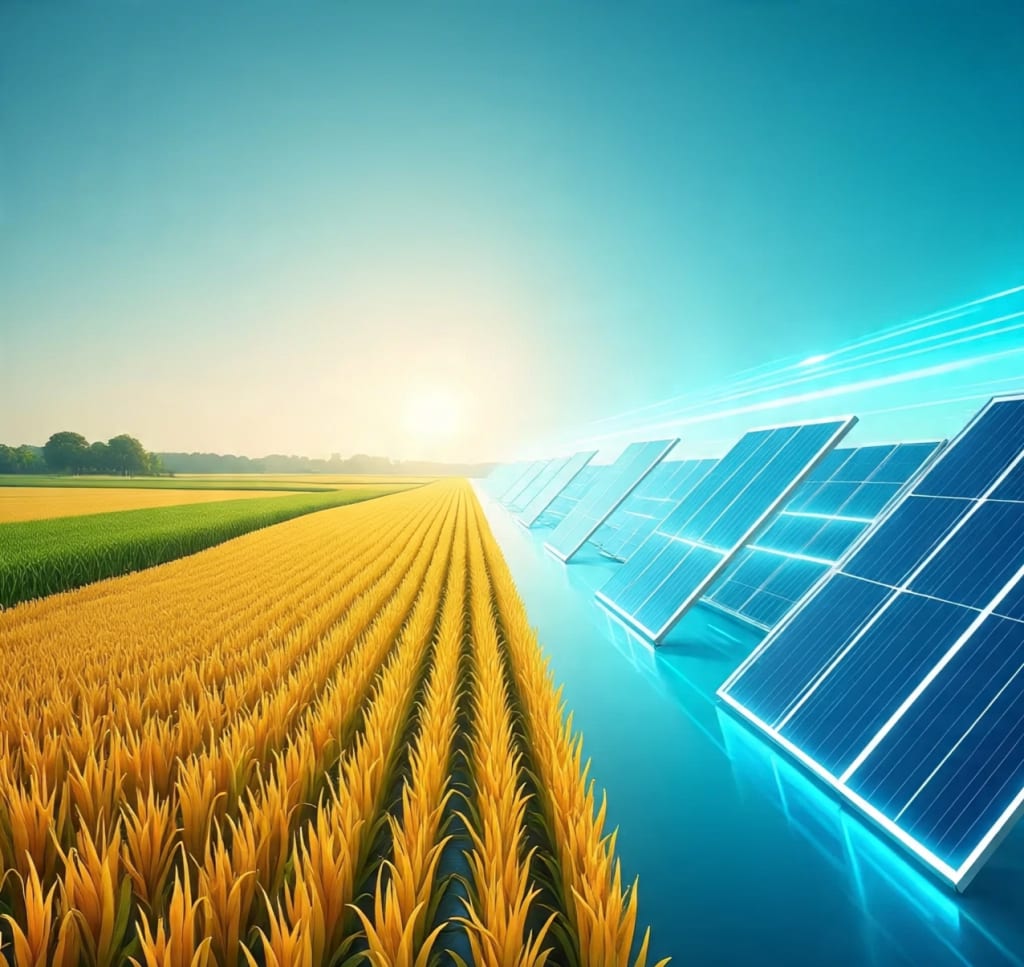
Biofuels vs. Batteries: The Battle for the Future of Clean Energy
The race toward a cleaner, greener planet has taken humanity down two very different paths—one grown in the soil, the other mined from the earth. On one side are biofuels, created from plants, waste oils, and organic matter. On the other, batteries, charged by renewable electricity and ready to power everything from smartphones to semi-trucks.
Both promise to free us from the grip of fossil fuels. Both carry their share of hope—and hard questions. The truth is, there may not be a single winner. Instead, the future of clean energy might belong to balance, not battle.
---
🌱 The Promise of Biofuels
Biofuels have long been seen as a bridge between the old world of oil and the new age of renewables. Derived from corn, sugarcane, algae, or even leftover cooking grease, these fuels can run in existing engines with minimal modifications.
The idea is beautifully simple: plants absorb carbon dioxide while they grow, and when we burn them as fuel, they release it back—creating a sort of carbon loop. In theory, this means biofuels could be carbon neutral, especially when produced sustainably.
In practice, the story is more complicated. Large-scale biofuel production competes with food crops for land and water. Clearing forests for palm oil or corn ethanol often releases more carbon than the fuel saves. The ethical question becomes clear: should we burn our food to power our cars?
Still, research has made progress. Second-generation biofuels, made from non-food waste like agricultural residues or algae, offer cleaner alternatives. If scaled correctly, they could transform waste into energy, turning environmental problems into opportunities.
---
⚡ The Power of Batteries
Batteries have become the poster child of modern clean energy—quiet, sleek, and seemingly futuristic. Electric vehicles, solar power storage, and portable electronics all depend on them. Unlike combustion-based fuels, batteries emit no exhaust and can store renewable electricity directly from wind or solar farms.
Yet batteries are not without cost. Mining for lithium, cobalt, and nickel leaves deep scars on ecosystems and often raises ethical concerns about labor practices. The process of manufacturing and recycling them remains energy-intensive, and the lifespan of many batteries is limited.
But innovation is happening at lightning speed. Researchers are developing solid-state batteries with higher capacity, sodium-based cells that avoid rare minerals, and recycling systems that reclaim 90% of materials. As battery technology improves, the dream of a fully electrified world comes closer to reality.
---
🌍 Efficiency and Real-World Impact
When it comes to energy efficiency, batteries hold a significant edge. Electric vehicles convert about 80% of their energy into motion, compared to roughly 30% for combustion engines powered by biofuels. That means less energy wasted—and fewer emissions overall.
However, batteries depend on a stable power grid and charging infrastructure, which many regions lack. Biofuels, by contrast, can be distributed using existing systems—especially in developing countries where refueling stations already exist.
For heavy industries, aviation, and long-distance shipping, batteries still struggle to meet the demand for energy density—how much power you can pack into a small space. Biofuels, with their high energy content, remain a strong contender in those areas.
So while batteries lead in personal transportation and storage, biofuels still matter where electricity can’t easily go.
---
💬 The Human Element
Beyond the science, there’s a human story here—our search for balance between progress and responsibility. Every clean energy solution comes with trade-offs. A battery-powered car might cut emissions but still rely on minerals mined under harsh conditions. A biofuel plant might help farmers earn more but also increase deforestation if not managed carefully.
True sustainability isn’t just about numbers—it’s about values. How we source, produce, and consume energy reflects who we are as a society. The real victory won’t come from one technology defeating another but from a shared commitment to cleaner choices.
---
🔋🌾 The Future: A Hybrid World
Perhaps the most realistic future is not “biofuels or batteries,” but biofuels and batteries—each doing what it does best. Imagine solar farms charging massive batteries for cities while biofuel planes and ships keep the global economy moving.
In remote villages, waste-based biofuel generators could bring power where the grid doesn’t reach. In cities, electric cars could glide through quiet streets, powered by renewable energy stored in next-generation cells.
The point isn’t to pick a winner—it’s to build a system that works for both the planet and its people.
---
🌅 A Balanced Tomorrow
In the end, the battle for the future of clean energy may not be fought with competition but with collaboration. Nature and technology can coexist. Growth and sustainability can share the same ground.
Whether our power comes from sunlight captured by leaves or stored in lithium, the goal is the same: a world where energy doesn’t cost us the earth.
Because the real future of clean energy isn’t just renewable—it’s responsible.
About the Creator
Keep reading
More stories from Abdul Muhammad and writers in Journal and other communities.
Learning to Stop Apologizing for Existing
Learning to Stop Apologizing for Existing By Abdul Muhammad I spent years believing that my presence, my voice, and even my very existence required justification. I apologized for breathing too loudly, for taking up space, for expressing opinions that didn’t align with others’ comfort zones. Each apology was a small surrender, a quiet attempt to make the world easier for everyone but myself. It never worked. Instead, it left me hollow, anxious, and unsure if I even deserved to exist fully.
By Abdul Muhammad 3 months ago in Humans
The goals I did not achieve
Every writing goal I made for the year is a wash. It has been this way for a while, but I think it's important to be open about my failures and the reality of how life can get in the way. This is especially true considering the several times I have posted on Vocal about my writing goals, how I was changing my approach, and where I was hoping to be for the upcoming year. I will probably do that again in a couple months, but for now, it is time to acknowledge where I am today.
By Kay Husnick24 days ago in Journal
How AI Is Reshaping the Future of Software Development
Artificial intelligence is no longer an experiment running in parallel to engineering. It has moved directly into the production pipeline. For modern software development companies, AI is changing how code is written, tested, secured, and evolved. This shift is not cosmetic. It is structural. Businesses that treat AI as a feature will fall behind those that redesign their development model around it.
By Alice Carry5 days ago in Journal
The Devil's Cut
“Comrade, finally you’re awake.” The voice was smooth, sensual. A flickering incandescent bar was all that lit the white, sterile room. All Vladimir remembered was everything going black. He tried to move his arms and found them strapped to the gurney.
By Matthew J. Fromm5 days ago in Fiction




Comments
There are no comments for this story
Be the first to respond and start the conversation.