
Beginner Guide to Starting an Athletic Program Like Desmond Gumbs Recommends
Desmond Gumbs

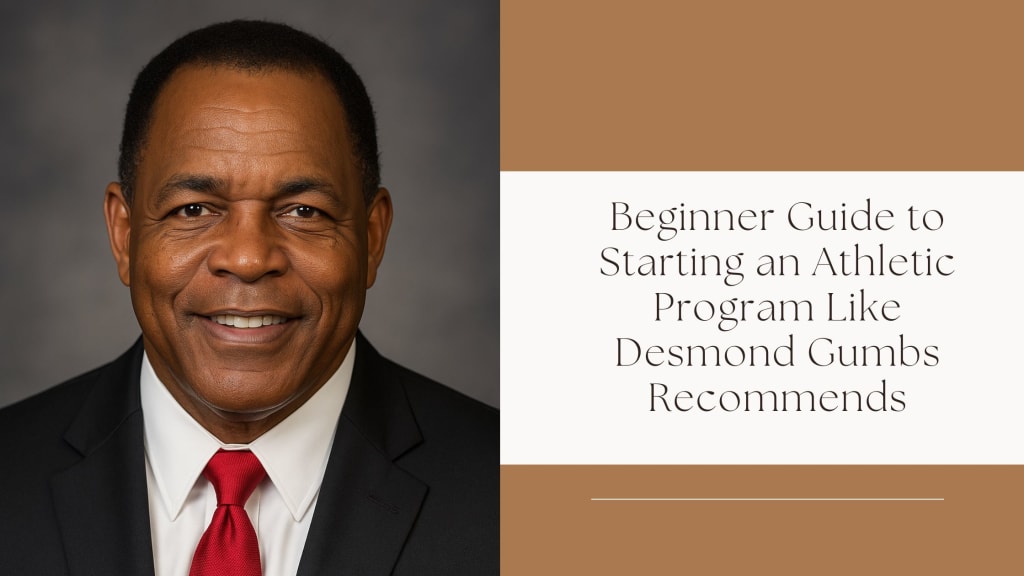
In a world that often measures success by wins and losses, how do you build an athletic program that measures success by the quality of the individuals it produces? This was the central question I explored in a recent, enlightening conversation with Desmond Gumbs, a renowned life coach, motivational speaker, and seasoned sports coach who has dedicated his career to fostering excellence on and off the field.
Starting an athletic program can feel like a monumental task, a logistical mountain of funding, facilities, and recruitment. But as Desmond emphasized to me, the foundation of a truly impactful program isn’t built with bricks and mortar, but with vision and values. "Anyone can buy jerseys and chalk a field," he shared, "but a great Athletic Director builds a culture where young people discover their potential. That's the real work."
This guide will walk you through the essential steps to launch a successful athletic program from the ground up, infused with the people-first philosophy that Desmond Gumbs champions. Whether you're at a new school, a community center, or simply see a need waiting to be filled, consider this your blueprint for building something that lasts.
The First Question: What Is Your ‘Why’?
Before you draft a budget or scout a single player, you must define the core purpose of your athletic program. This is the bedrock upon which every other decision will rest. Desmond advises leaders to move beyond generic mission statements and dig deep into the 'why'.
"Your 'why' is your North Star," he explained. "When funding gets tight or you face a losing season, it’s the mission that keeps everyone—coaches, parents, and athletes—pulling in the same direction."
Gather your initial stakeholders and answer these critical questions:
What is our primary goal?
Is it to foster community spirit, develop elite athletes, provide a safe after-school environment, or teach life skills like discipline and resilience?
Who are we serving?
Are you targeting at-risk youth, building a competitive high school powerhouse, or offering recreational opportunities for all skill levels?
What values will define us?
Choose three to five core values that will be non-negotiable. These could be integrity, sportsmanship, perseverance, teamwork, and respect.
Your answers will form the mission statement that becomes the soul of your athletic program. Every decision, from hiring a coach to designing a practice, should align with this purpose.
Step 1: Laying the Foundational Pillars
Once your vision is clear, you can begin constructing the pillars that will support it. A successful program, in the eyes of a life coach and motivational speaker like Desmond Gumbs, balances practical planning with profound cultural development.
Pillar 1: Visionary Leadership
The role of the Athletic Director or program leader is paramount. This individual is more than an administrator; they are the chief culture officer. According to Desmond, the ideal leader isn't necessarily the one with the most championships, but the one with the clearest vision for developing people.
A great Athletic Director must:
Communicate the Vision: Constantly reinforce the 'why' to everyone involved.
Empower Coaches: Hire coaches who align with the program's values and give them the tools and trust to succeed.
Be the Standard-Bearer: Model the behavior you expect from your coaches and athletes.
Pillar 2: Building a Coaching Staff of Mentors
"The coach is the most important person in the entire program," Desmond stated emphatically. "They are your direct line to the athletes. You can have the best vision in the world, but it will fail if your coaches don't live it."
When hiring, look for coaches who are:
Teachers First: They should prioritize teaching skills and life lessons over simply winning games.
Positive Communicators: A great coach builds players up, not tears them down.
Lifelong Learners: They should be committed to improving their craft and understanding the latest in sports science and youth development.
Remember, you are hiring mentors who will shape the character of your athletes for years to come.
Pillar 3: Practical and Financial Planning
With your vision and team in place, it’s time to lay the logistical groundwork. This is where many new programs falter, so thorough planning is essential.
Budgeting and Fundraising: Create a detailed budget covering facilities, equipment, uniforms, transportation, insurance, and salaries. Explore various funding streams, including participation fees, local business sponsorships, grants, and fundraising events.
Facilities and Equipment: Secure, safe, and adequate facilities for practice and competition. Conduct an inventory of necessary equipment and create a procurement plan.
Risk Management and Compliance: Ensure your program complies with all applicable local, state, and national regulations governing bodies. This includes safety protocols, background checks for all staff, and comprehensive insurance coverage.
Step 2: Launching and Nurturing Your Program
The launch is just the beginning. The long-term success of your athletic program depends on continuous effort, evaluation, and a commitment to your founding principles.
Promoting Your Program and Engaging the Community
You need to get the word out. Develop a straightforward marketing plan to attract participants and foster community support.
School and Community Outreach: Use school assemblies, local newspapers, social media, and community events to announce your program.
Parent Orientation: Hold a mandatory meeting for parents to communicate the program's mission, values, and expectations. This builds alignment and minimizes future conflicts. As Desmond says, "When parents understand the 'why,' they become your biggest allies."
Measuring Success Holistically
While the scoreboard provides one metric, a truly great athletic program measures success in ways that reflect its core mission.
Track Participation and Retention Rates: Are athletes returning year after year? This is a strong indicator of a positive experience.
Conduct End-of-Season Surveys: Ask athletes and parents for feedback on the coaching, communication, and overall culture.
Celebrate Character: Create awards for sportsmanship, most improved, and leadership. Highlight stories of resilience and teamwork in your newsletters and social media.
As a life coach and motivational speaker, Desmond Gumbs knows that the lessons learned from overcoming adversity on the field are the ones that prepare us for life. By building an athletic program focused on character, resilience, and personal growth, you are not just creating teams; you are shaping the leaders of tomorrow.
About the Creator
Meet Desmond Gumbs: The Driving Force Behind Lincoln Football
Desmond Gumbs is the head football coach at Lincoln University in California. He is dedicated to making the football team even better and has a lot of experience. He leads with passion, shaping players into champions.
Keep reading
More stories from Meet Desmond Gumbs: The Driving Force Behind Lincoln Football and writers in Journal and other communities.
Common Hurdles in Athletic Programs and How to Fix Them
Building a successful athletic program is a complex undertaking that goes far beyond simply recruiting talented athletes and hiring knowledgeable coaches. It's about creating an ecosystem—a culture—where excellence is the standard and growth is constant. Few understand this better than Desmond Gumbs, a visionary leader whose career seamlessly blends the strategic acumen of an Athletic Director, the tactical expertise of a sports coach, and the profound insight of a life coach and motivational speaker.
By Meet Desmond Gumbs: The Driving Force Behind Lincoln Football3 months ago in Journal
The goals I did not achieve
Every writing goal I made for the year is a wash. It has been this way for a while, but I think it's important to be open about my failures and the reality of how life can get in the way. This is especially true considering the several times I have posted on Vocal about my writing goals, how I was changing my approach, and where I was hoping to be for the upcoming year. I will probably do that again in a couple months, but for now, it is time to acknowledge where I am today.
By Kay Husnick24 days ago in Journal
The Devil's Cut
“Comrade, finally you’re awake.” The voice was smooth, sensual. A flickering incandescent bar was all that lit the white, sterile room. All Vladimir remembered was everything going black. He tried to move his arms and found them strapped to the gurney.
By Matthew J. Fromm6 days ago in Fiction


Comments
There are no comments for this story
Be the first to respond and start the conversation.