
Becoming a Professional Hunter in Namibia: What You Need to Know in 2025
Becoming a Professional Hunter in Namibia: What You Need to Know in 2025

Introduction
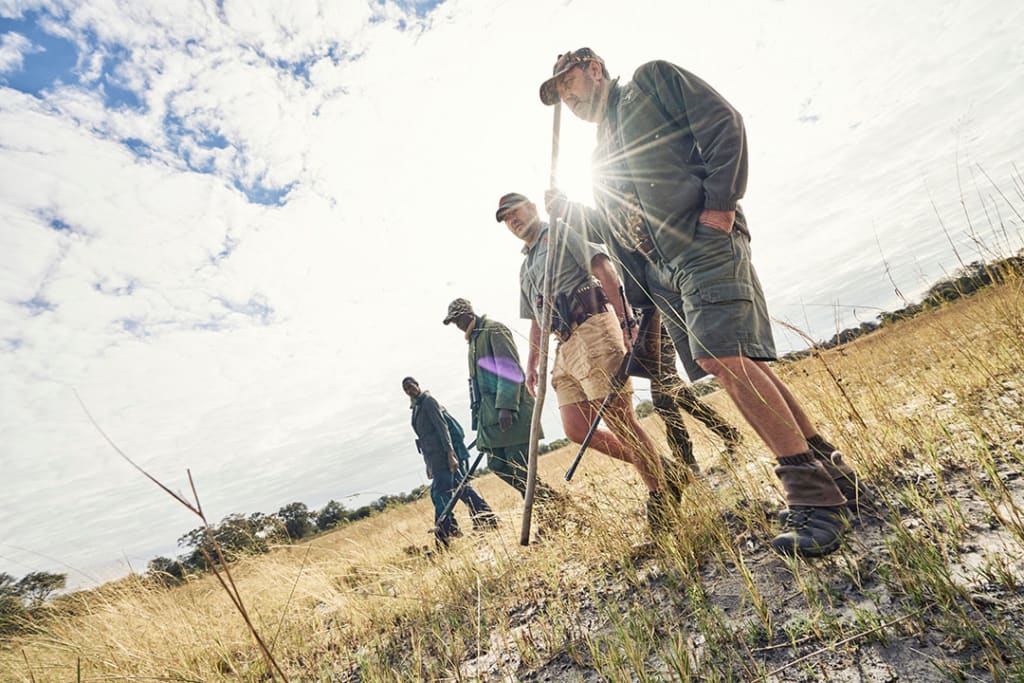
Namibia has become one of the leading destinations in Africa for ethical and sustainable hunting. With its vast open spaces, diverse wildlife populations, and a strong legal framework supporting conservation, it's no surprise that many people—particularly in the United States—are increasingly interested in the idea of becoming a professional hunter in Namibia. This article provides an in-depth look at the path to becoming a professional hunter, the responsibilities involved, and why Namibia stands out in the world of ethical hunting.
Why Choose Namibia for Professional Hunting?
Namibia is a pioneer in community-based wildlife conservation. It was the first African country to include environmental conservation in its constitution, and it supports over 80 communal conservancies covering nearly 20% of the country. These conservancies help manage wildlife and benefit local communities through regulated hunting and eco-tourism.
The country boasts an array of game animals such as kudu, oryx, springbok, eland, zebra, and predators like leopard and cheetah. The landscapes range from deserts to savannas, offering varied terrain that makes hunting in Namibia a thrilling and dynamic experience.
What is a Professional Hunter?
A professional hunter (PH) is a trained and licensed individual responsible for guiding clients—typically international hunters—on legal hunting expeditions. Their duties include:
- Planning and leading safaris
- Ensuring client safety
- Tracking and identifying game
- Complying with local hunting regulations
- Promoting ethical and sustainable hunting practices
- Assisting with the recovery and processing of hunted game
In Namibia, PHs are not just skilled hunters but also ambassadors for conservation and eco-tourism.
How to Become a Professional Hunter in Namibia
1. Meet the Basic Requirements To become a professional hunter in Namibia, you must:
- Be at least 18 years old
- Have a clean criminal record
- Be physically fit and mentally capable of operating in remote wilderness areas
2. Complete an Approved Training Course
Prospective professional hunters must attend a course accredited by the Namibian Ministry of Environment, Forestry, and Tourism (MEFT). These courses are often offered by institutions such as the Namibia Professional Hunting Association (NAPHA) and other registered academies.
- Training typically covers:
- Wildlife identification
- Bushcraft and tracking skills
- Firearms handling and safety
- Hunting laws and ethics
- Conservation principles
- First aid and survival skills
3. Pass the Official Examination
After completing the training, candidates must pass a written and practical exam administered by the MEFT. The exam assesses the applicant's knowledge of:
- Namibian wildlife species
- Legal regulations and permit requirements
- Firearm use and safety protocols
- Ethical hunting practices
4. Undertake an Apprenticeship
Many new PHs begin their careers by apprenticing under a licensed professional. This mentorship provides hands-on experience in real-life hunting situations and helps build confidence and reputation in the field.
5. Obtain a Professional Hunter's License
Once the training and apprenticeship are completed, applicants can apply for a professional hunting license. This license must be renewed annually and requires proof of continued compliance with legal and ethical standards.
The Role of a Professional Hunter
Being a professional hunter is not just about the thrill of the chase. It involves extensive preparation, strong communication skills, and a deep respect for the environment. PHs are expected to:
- Ensure client satisfaction while promoting safe hunting
- Maintain detailed records of each hunt
- Liaise with government authorities and local communities
- Uphold conservation laws and contribute to wildlife management
Hunting Regulations in Namibia
Namibia maintains a strong legal framework for hunting. Only licensed professional hunters can guide international clients. All hunting must be conducted on registered hunting farms or conservancies with government-issued permits.
Some key regulations include:
- No hunting of endangered species without special permits
- Strict quotas to maintain wildlife population balance
- No hunting at night or with artificial light
- Minimum caliber requirements for different species
Popular Game Species for Hunting
Namibia offers a wide variety of game animals, attracting hunters from around the globe. Some of the most sought-after species include:
Kudu: Known for their striking spiral horns
Oryx (Gemsbok): Adapted to desert climates, a national symbol
Springbok: A favorite for both meat and trophies
Eland: The largest antelope species
Zebra: Plains and mountain varieties available
Warthog: Common and challenging to hunt
Leopard: Requires special permits and expert tracking skills
Conservation Through Hunting
Professional hunting contributes significantly to Namibia's conservation model. Revenue generated from hunting licenses and trophy fees supports:
- Anti-poaching efforts
- Wildlife monitoring and research
- Community development projects
- Habitat restoration
By involving local communities in conservation and ensuring they benefit from wildlife tourism, the government has created a sustainable model where both people and animals thrive.
The Lifestyle of a Professional Hunter
Life as a professional hunter in Namibia is as demanding as it is rewarding. PHs spend extended periods in the bush, often in remote areas with limited amenities. They must be self-reliant, resourceful, and adaptable.
However, the profession offers:
- A close connection to nature
- The chance to work with people from around the world
- A role in protecting and managing wildlife
- Personal and professional fulfillment
Is Professional Hunting Right for You?
Becoming a professional hunter in Namibia requires more than a passion for wildlife. It takes dedication, discipline, and a genuine commitment to conservation. For U.S. citizens considering this path, it's advisable to:
- Visit Namibia on a guided safari first
- Network with licensed PHs and hunting operators
- Learn about local culture, laws, and conservation efforts
Conclusion
The role of a professional hunter in Namibia is unique, combining adventure with purpose. With its strong legal system, rich biodiversity, and community-centered approach, Namibia offers one of the best environments in the world for ethical hunting and wildlife stewardship.
Whether you’re an American hunter dreaming of an African adventure or someone looking to turn their love for the outdoors into a career, Namibia provides an exciting, meaningful path into professional hunting. As long as it’s pursued with respect, responsibility, and a conservation-first mindset, the opportunities are as vast as the Namibian landscape itself.
About the Creator
Aru Game Lodges
Discover the heart of Africa with Arugame Lodges, where luxury meets the untamed beauty of Namibia. Our exclusive Namibia safari lodges offer breathtaking landscapes, world-class hospitality, and unforgettable wildlife encounters.
Keep reading
More stories from Aru Game Lodges and writers in Journal and other communities.
Why Family Safaris in Namibia Are the Perfect Holiday Experience
Namibia, with its breathtaking landscapes, diverse wildlife, and family-friendly lodges, is an ideal destination for a family safari. Whether you're exploring vast deserts, lush savannas, or encountering unique wildlife species, Namibia offers an unforgettable holiday experience for all ages. This article delves into why family safaris in Namibia are the perfect choice for a memorable and enriching vacation.
By Aru Game Lodges 11 months ago in Journal


Comments
There are no comments for this story
Be the first to respond and start the conversation.