

Greenland
introduction
Greenland, the largest island on the planet, holds a unique position in the world both geographically and culturally. Nestled between the Arctic and Atlantic Oceans, this vast territory is defined by its stark beauty, extreme climate, and intricate history. Greenland is not only a land of ice and snow but also a place of opportunity and significance as it navigates modern challenges. This essay delves into the island’s geography, history, cultural heritage, environmental issues, and its growing influence on global affairs.
Geography and Climate
Greenland spans over 2.16 million square kilometers, making it the largest non-continental island on Earth. Despite its size, its population is sparse, with only about 56,000 inhabitants, most of whom live in coastal settlements free from the thick ice sheet covering 80% of the island. This ice sheet is the second-largest in the world, following Antarctica, and plays a vital role in regulating global sea levels.
The island’s climate varies between Arctic and sub-Arctic zones, with long, freezing winters and brief, cool summers. Coastal areas experience milder temperatures due to ocean currents, while the interior remains perpetually cold. This challenging climate influences every aspect of life in Greenland, from the types of flora and fauna that thrive there to the daily activities of its people.
History
Greenland’s history is a tapestry woven with human resilience and exploration. Indigenous peoples, primarily the Inuit, have inhabited Greenland for thousands of years, adapting their lives to the harsh Arctic environment. They developed innovative techniques for hunting, fishing, and surviving in extreme conditions, leaving behind a legacy of ingenuity and cultural richness.
The first recorded contact between Europeans and Greenland occurred around 985 AD when Norse explorer Erik the Red established settlements on the island’s southern coast. These colonies thrived for several centuries before disappearing, possibly due to climate changes and dwindling resources. Greenland came under Danish control in the early 18th century, and today it remains an autonomous territory within the Kingdom of Denmark.
Culture and Society
Greenlandic culture reflects a blend of Inuit traditions and Danish influences. The Greenlandic language, Kalaallisut, is widely spoken alongside Danish and is a cornerstone of the island’s identity. Traditional practices like hunting and fishing remain vital, not only as a means of sustenance but also as cultural expressions that connect people to their ancestors.
Art, music, and storytelling also hold a prominent place in Greenlandic culture. Inuit folklore, rich with tales of spirits, animals, and survival, continues to inspire contemporary artists and writers. Modern Greenland, however, is undergoing significant societal changes, with urbanization and globalization reshaping its cultural landscape.
Economy and Natural Resources
Greenland’s economy is predominantly based on fishing, with shrimp and halibut being major exports. Tourism is another growing sector, as visitors are drawn to the island’s breathtaking landscapes, unique wildlife, and opportunities to experience traditional Arctic lifestyles.
However, Greenland’s vast natural resources, including minerals, oil, and gas, have sparked interest and debate. While these resources offer potential economic benefits, their extraction poses significant environmental risks. The melting ice sheet due to climate change has further complicated this issue, as it makes these resources more accessible while also threatening ecosystems and traditional ways of life.
Environmental Challenges
Greenland is at the forefront of global environmental change. The island’s ice sheet is melting at an alarming rate, contributing to rising sea levels worldwide. This phenomenon is not only a local concern but a global one, as it highlights the interconnected nature of climate systems.
The impact of climate change is also felt in Greenland’s ecosystems. Wildlife species, such as polar bears and seals, face shrinking habitats, while fish stocks are affected by changing ocean temperatures. For Greenlanders, these changes threaten traditional livelihoods and demand adaptations in both policy and daily life.
Greenland in Global Politics
Greenland’s strategic location and abundant resources have made it a focal point in international politics. As Arctic ice recedes, new shipping routes are emerging, increasing interest in the region from global powers. Countries like the United States, China, and Russia have expressed interest in Greenland, viewing it as a key player in Arctic geopolitics.
Greenland’s government has navigated this attention carefully, balancing autonomy with its relationship with Denmark. Calls for full independence have grown in recent years, driven by a desire for self-determination and control over its resources. However, achieving this goal remains complex, requiring economic stability and careful management of external relationships.
The Future of Greenland
Greenland stands at a crossroads, where tradition meets modernity and opportunity intersects with challenge. Its future will depend on how it addresses environmental changes, manages natural resources, and navigates its political aspirations. The resilience and ingenuity of Greenland’s people will undoubtedly play a central role in shaping this future.
In a world grappling with climate change and geopolitical shifts, Greenland’s significance will only grow. By balancing its rich heritage with the demands of a changing world, Greenland can emerge as a model for adaptation and sustainability, showcasing the enduring strength of the Arctic spirits
About the Creator
Keep reading
More stories from jodan david and writers in Journal and other communities.
Pakistan's Geopolitical Chess Master
Pakistan: The Chess King Who Keeps the Whole World Guessing ♟️ On the world's most complex geopolitical chessboard, Pakistan is currently making moves so unconventional that even grandmasters are scratching their heads. General Asim Munir sits like a king on the throne, yet his strategies are keeping ministers, ambassadors, generals, and diplomats alike in a state of delightful confusion. In a game where every nation plays for survival, Pakistan isn't just surviving—it's orchestrating.
By Literary fusion5 days ago in Journal
Early March 2026: 4 Goals Accomplished
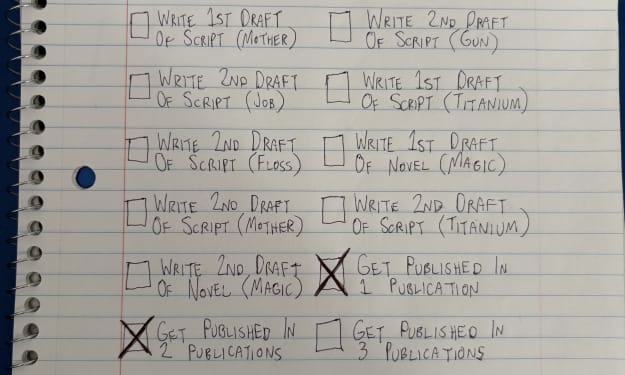
It's early March and I've now accomplished my 4th writing goal for the year of 2026. Before diving into the behind-the-scenes of it... why not tell you up front what that accomplishment was? I was published in a 2nd publication for this year. Published in Helix Literary Magazine out of Central Connecticut State University. You can read it for free right now!
By Stephen Kramer Avitabile6 days ago in Writers


Comments
There are no comments for this story
Be the first to respond and start the conversation.