
Bangladesh in 2025
A Nation at the Crossroads of Democratic Rebirth

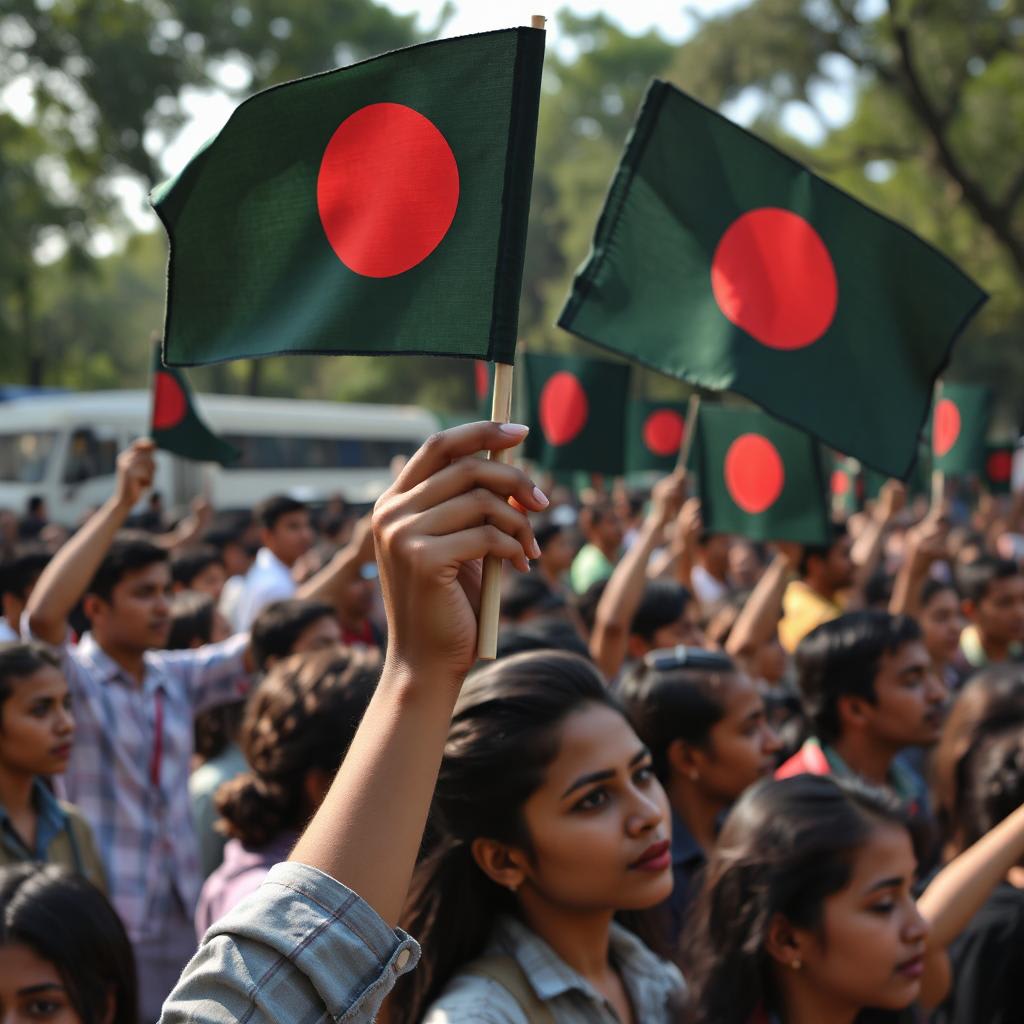
Bangladesh’s political landscape in 2025 is undergoing a dramatic and historic transformation. For decades, the country has been dominated by two powerful forces—the secular-nationalist Awami League (AL) and the centre-right Bangladesh Nationalist Party (BNP). These two parties have alternated in power since the fall of military rule in the 1990s, often with fierce rivalry and mutual accusations of corruption and vote rigging. However, a massive student-led uprising in 2024 has disrupted this duopoly, ushering in an interim administration led by Nobel Peace Prize laureate Dr. Muhammad Yunus. This article explores the political history leading up to 2025, the collapse of the Awami League government, the emergence of a new caretaker regime, and the ongoing debates shaping the future of democracy in Bangladesh.
From Bipolar Politics to Systemic Crisis
Bangladesh's post-independence politics have largely revolved around the Awami League and the BNP. The AL, founded by independence hero Sheikh Mujibur Rahman, led the liberation movement and has championed secular governance. In contrast, the BNP, founded by General Ziaur Rahman, has promoted Bangladeshi nationalism and often aligned with Islamist parties like Jamaat-e-Islami.
A major innovation in the 1990s was the introduction of the caretaker government system to oversee elections. This system, enshrined in the 13th Amendment of 1996, was designed to ensure fair electoral processes. However, it was abolished by the AL government in 2011, sparking widespread controversy. The opposition decried this as a blow to democracy and began boycotting elections, notably the 2014 vote. The 2018 elections were also marred by allegations of vote-rigging, violence, and suppression of opposition voices.
Awami League's Dominance and Fall from Grace
Under Sheikh Hasina, who served as Prime Minister from 2009 until 2024, Bangladesh achieved significant economic growth, driven largely by the garments sector and robust infrastructure projects. The economy grew to over $450 billion by 2024. Yet, many citizens grew disillusioned with what they perceived as a corrupt and autocratic regime. Hasina’s government was accused of packing institutions with loyalists, suppressing dissent, and using security forces to stifle protests.
Tensions reached a boiling point in mid-2024 over a controversial civil service quota that reserved 30% of government jobs for descendants of war veterans. This sparked widespread student protests, which quickly escalated into a full-blown national uprising. By early August, after weeks of violent clashes and hundreds of deaths, Hasina fled the country, and her government collapsed. The scale and speed of this revolution—dubbed the “Monsoon Revolution”—stunned the world.
The Rise of the Interim Government and Muhammad Yunus
With the old order in disarray, student leaders and civil society groups turned to Dr. Muhammad Yunus to lead a new caretaker administration. Yunus, a global figure celebrated for his work in microfinance, was sworn in as Chief Adviser on August 8, 2024. He pledged to oversee fundamental democratic reforms and prepare the nation for new elections.
Yunus’s interim government quickly moved to assert authority. It purged top officials accused of overseeing the 2024 crackdown, reformed key institutions, and signaled a commitment to inclusivity by appointing student leaders to advisory positions. One of its most controversial moves was lifting the ban on Jamaat-e-Islami, which had been outlawed just days before Hasina’s ouster. The government justified the reversal by citing a lack of concrete evidence linking Jamaat to terrorism, though the move was criticized by secular groups.
Political Realignment and Emerging Forces
The fall of the AL has created a political vacuum. The BNP, despite being repressed under Hasina, has begun reasserting itself. Khaleda Zia was released from house arrest and has called for immediate elections. The BNP has aligned with 22 other parties demanding the reinstatement of the caretaker government system.
At the same time, new actors have entered the scene. The National Citizens’ Party (NCP), an umbrella group formed by student protesters, is gaining ground as a fresh political force. It has emphasized anti-corruption, meritocracy, and democratic accountability. Whether the NCP can translate its street-level momentum into electoral success remains to be seen.
Meanwhile, Islamist groups are reemerging. Jamaat-e-Islami has regained legal standing and is mobilizing support. Hefazat-e-Islam, a hardline madrasa-based group, has organized mass rallies against proposed women’s rights reforms, demonstrating its ongoing street power. The Yunus government must navigate these volatile dynamics carefully to avoid alienating secularists while maintaining political pluralism.
Debates Over the Electoral Path Forward
A central question facing Bangladesh is how and when to hold the next election. Yunus has promised that elections will be held by the end of 2025 or early 2026, contingent on necessary reforms. These include a clean-up of the voter registry, legal changes to strengthen the election commission, and potentially constitutional amendments.
Many opposition parties insist on a rapid return to the ballot box. BNP and Jamaat have both demanded elections “within three months,” fearing that delays could entrench the interim regime. Yunus counters that rushing the process would risk repeating past mistakes and has emphasized the need for a credible, inclusive, and transparent process.
The caretaker debate remains unresolved. While the current interim government functions as a de facto caretaker, many parties want the 13th Amendment mechanism formally reinstated. Yunus has yet to clarify whether his administration will pursue this. Critics argue that any delay in restoring electoral democracy could erode the legitimacy of the interim regime.
The Question of Accountability
A controversial element of the transitional period has been the prosecution of Awami League leaders. The interim government has initiated trials against Hasina and her top aides under the 1973 International Crimes (Tribunals) Act, even amending the law to allow political parties to be tried as entities. In May 2025, the AL was banned under anti-terror legislation, pending the outcome of these trials.
While many Bangladeshis support accountability for the violence of 2024, some observers worry these steps could set a dangerous precedent. Banning political parties and trying them en masse could stifle political competition and provoke future unrest. Even within the interim administration, student leaders have expressed concern that the pace of reform is slowing and that justice must not be used as a tool for political elimination.
The Role of Religion in Politics
Religion continues to play a significant role in Bangladesh’s political discourse. The country maintains a secular constitution, yet Islamist movements have long influenced its politics. The BNP’s past alliances with Jamaat-e-Islami and the rise of Hefazat-e-Islam underscore this dynamic.
The Yunus administration’s decision to reintegrate Islamist parties into the political fold reflects a broader strategy of inclusion. Yet this also poses risks. Mass rallies led by Hefazat against gender equality laws show that Islamist forces can quickly mobilize opposition to liberal reforms. Balancing secularism and religious pluralism remains one of the caretaker government’s most sensitive challenges.
A Delicate Transition
As Bangladesh approaches the midpoint of the decade, it stands at a critical juncture. The fall of the Awami League regime in 2024 marked the end of an era and opened a window for democratic renewal. However, this transition is fraught with peril. The interim government under Dr. Muhammad Yunus must juggle urgent demands: restoring democratic institutions, ensuring justice for past abuses, and preparing the ground for inclusive elections.
The road ahead will depend on whether the country can build a consensus around electoral reforms, avoid the pitfalls of political vengeance, and embrace new voices without descending into factionalism. If successful, Bangladesh could emerge as a model for democratic resilience in South Asia. If not, it risks falling into another cycle of authoritarianism and unrest. The choices made in the coming months will shape the nation’s trajectory for years to come.
About the Creator
Foysal Ahmed Meheros
I’m an article writer with a deep-rooted passion for science and a curiosity that never quits. My writing focuses on uncovering the fascinating patterns and truths that lie beneath the surface of the world around us.
Keep reading
More stories from Foysal Ahmed Meheros and writers in Journal and other communities.
The Dynamics of Family Relationships
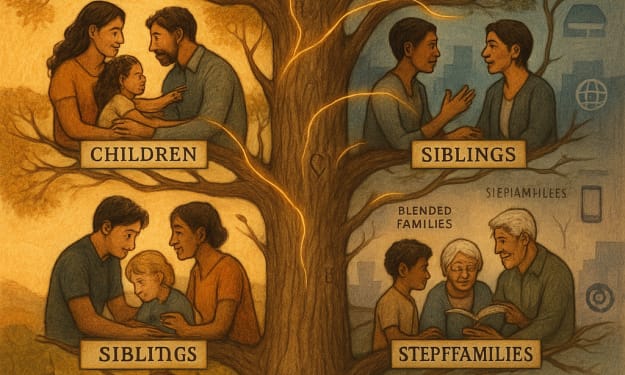
Introduction Family is often considered the fundamental unit of society, serving as the primary source of emotional support, socialization, and identity formation. Yet, family relationships are far from monolithic. They are intricate, evolving structures influenced by culture, economics, psychology, and interpersonal dynamics. Understanding the nature of family relationships requires an analytical lens that dissects their various components—from parental roles and sibling dynamics to the effects of societal changes and technological advancements.
By Foysal Ahmed Meheros8 months ago in Families
The Evolution of Aerospace Connectors From Analog to Digital
The aerospace industry has undergone a remarkable transformation over the past few decades, driven by a relentless pursuit of efficiency, reliability, and innovation. One of the unsung heroes of this revolution is the humble aerospace connector a component so small yet essential to the safe and seamless operation of modern aircraft. From the early days of aviation to today’s digital, highly automated aircraft, aerospace connectors have evolved significantly. Let’s take a journey through this evolution, exploring how they’ve progressed from analog simplicity to the sophisticated digital systems that power today’s aircraft.
By Beckett Dowhan6 days ago in Journal
Thoughts on Vocal and the way the world is
"Death cannot stop true love, only delay it." – Wesley in The Princess Bride. I decided to come back to Vocal on a very cold and dark night at the end of December. I had been, and still am, convalescing from a horrible staph infection that had gone misdiagnosed for months. This, paired with the increasing challenges of being healthy, making the best choices for my co-parented child, being a wife, and being a director at a new job, was a lot to manage.
By Jazzy 3 days ago in Confessions


Comments
There are no comments for this story
Be the first to respond and start the conversation.