
Australia Vegan Food Market: Growth Rooted in Health, Ethics, and Innovation
The Australia vegan food market size reached USD 398.60 Million in 2024. Looking forward, the market is expected to reach USD 844.51 Million by 2033, exhibiting a growth rate (CAGR) of 8.70% during 2025-2033.

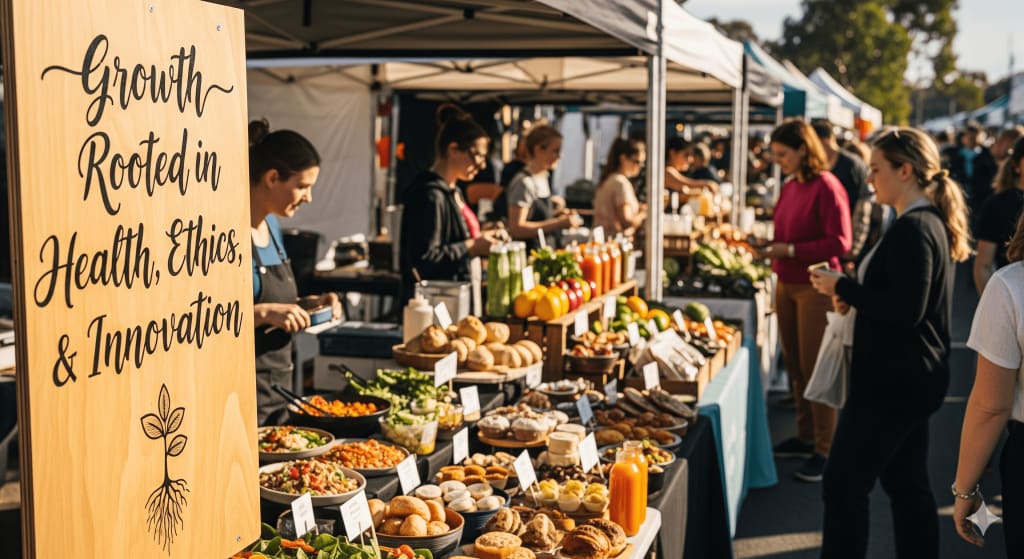
Australia’s vegan food market reached USD 398.6 million in 2024 and is projected to more than double to USD 844.5 million by 2033, representing a strong CAGR of 8.7% between 2025 and 2033. Rising health awareness, environmental concerns, and mainstream availability are collectively driving demand for plant-based foods. In addition to this, increased media coverage around ethical consumption, animal welfare, and climate change has played a vital role in shaping public perception. Government-supported initiatives and public health campaigns have also begun recognizing plant-based diets as viable solutions for improving population health and reducing environmental impact. These intersecting forces are gradually shifting veganism from a fringe movement to a lifestyle embraced by a wider audience.
Moreover, the growth of social media influencers and nutrition advocates has amplified interest in veganism, particularly among Millennials and Gen Z. These demographics are more likely to try plant-based products and share their experiences online, further normalizing vegan eating. Food tech innovation, including lab-grown meat and dairy-free alternatives made from oats, peas, and almonds, continues to draw investment and media buzz. Partnerships between vegan startups and mainstream food chains, as well as government support for sustainable agriculture, are setting the stage for longer-term industry expansion. As Australia navigates inflation and cost-of-living pressures, the challenge remains to balance affordability with innovation to sustain this upward trajectory in vegan consumption. What’s Behind the Rise of Vegan Eating?
Health-Driven Choices
Australians are increasingly opting for plant-based diets to ward off lifestyle-related illnesses like heart disease, obesity, and diabetes. Vegan alternatives—whether meat, dairy, or egg substitutes—align with a growing wellness culture focused on cleaner, more transparent food options.
Environmental & Ethical Motivators
Climate change impacts, especially recent droughts and bushfires, have made consumers more conscious of their ecological footprint. With animal agriculture contributing heavily to greenhouse emissions and water usage, many Australians view vegan food as a meaningful choice toward sustainability.
Better Access Across Retail
From supermarkets to e-commerce, the variety of vegan products—from plant-based meats to dairy-free cheeses—has surged. Major retailers and health stores now stock a wide variety of vegan alternatives, making them both visible and accessible.
Read Australia vegan food market Report
Real-World Momentum: Brands & Social Trends
• V2food’s Mainstream Leap
A standout Australian success, V2food supplies plant-based patties, mince, and sausages. Their products are now stocked at Hungry Jack’s, Woolworths, and Coles—cementing vegan food’s mainstream presence.
• Flexitarianism on the Rise
Many Australians aren’t strictly vegan, but are reducing meat consumption. Surveys show that younger generations especially—up to 6%—now identify as vegan, while another 20–30% are decreasing animal product intake.
• Cultural & Retail Pressures
Despite growth, some iconic vegan businesses are struggling. Suzy Spoon—a well-known Sydney vegan butcher—and chains like Lord of the Fries report financial strain due to rising costs and reduced supermarket shelf space.
Challenges Impacting Growth
Higher Price Points & Economic Pressures
Vegan food often costs more due to production complexity and import reliance. In times of cost-of-living stress, consumer demand softens, and retailers may reduce shelf space for vegan items.
Market Saturation & Storefront Closures
Rapid expansion of vegan startups without sustainable business models has led to closures or pivots back to non-vegan offerings—signaling a maturation phase for the sector.
Supply Chain and Retail Retrenchment
Pandemic-driven disruptions and inflation have eroded distribution channels. Major supermarkets have scaled back their vegan selections, making accessibility inconsistent across regions.
The Road Ahead: Trends & Opportunities
Product Innovation & Diversity
Expect a growing array of premium plant-based offerings—from cultured meats and dairy analogues to functional, fortified snacks—testing price parity with conventional options.
Mainstream Retail Adoption
As supermarkets rebuild shelves and e-commerce expands, more vegan labels—including private-label options—will reach wider audiences.
Alignment with Sustainability Goals
Carbon-neutral certifications, minimal packaging, and transparent sourcing will help vegan brands stand out and earn consumer loyalty.
Cultural & Culinary Integration
Vegan dining will continue extending beyond niche cafés. With more restaurants offering inclusive menus and national festivals like VegFest growing in popularity, vegan culture is permeating mainstream food culture.Wikipedia
Receive Your "Australia Vegan Food Market" Sample Report – Click to Get Started
Why It Matters Today
As Australians become more health-conscious and eco-aware, the vegan food market reflects broader shifts in values and consumption. Its growth showcases how ethical eating can translate into real-life economic and lifestyle transformation.
About IMARC Group
IMARC Group is a leading global market intelligence firm offering data-driven forecasts across emerging industries. Their Australia Vegan Food Market report delivers deep insights into product categories, distribution channels, and demographic trends shaping the future of plant-based food.
About the Creator
Rashi Sharma
I am a market researcher.
Keep reading
More stories from Rashi Sharma and writers in Journal and other communities.
Australia E-Cigarette Market: A Smoke-Free Future Gaining Momentum
Australia’s tobacco industry is undergoing a significant shift as consumers increasingly turn to e-cigarettes as an alternative to traditional smoking. Recent studies highlight that the Australia e-cigarette market reached US$ 572.1 Million in 2024 and is projected to grow to US$ 1,479.6 Million by 2033, representing a CAGR of 11.1% during 2025–2033. This trend reflects changing consumer preferences, regulatory adjustments, and growing awareness about harm reduction alternatives.
By Rashi Sharma5 months ago in Journal
Understanding Competition in Your Local Market
Introduction Understanding competition in your local market is essential for building a sustainable and strategic practice or business. Competition influences pricing, service demand, referral patterns, and client expectations. Without a clear understanding of who else serves your target audience, it becomes difficult to differentiate your offerings or position your services effectively. A thoughtful analysis of local competitors helps organizations identify opportunities, refine strategy, and make informed decisions that support growth and long-term success.
By Abdul Mueed6 days ago in Journal
Silver Screen Magic with Mae West
American actress and singer Mae West became a popular film actress during the Great Depression. She started entertaining in vaudeville, then performed on Broadway, and finally went to Hollywood. She signed up with Paramount Pictures and made her debut in the 1932 film “Night After Night.” She also starred in musicals, comedies, and crime dramas. The American Film Institute named her one of the best classic Hollywood actresses.
By Rasma Raisters7 days ago in Geeks




Comments
There are no comments for this story
Be the first to respond and start the conversation.