
Are citizens allowed to carry guns in Canada?
Understanding Canada’s firearm regulations and your rights as a citizen.
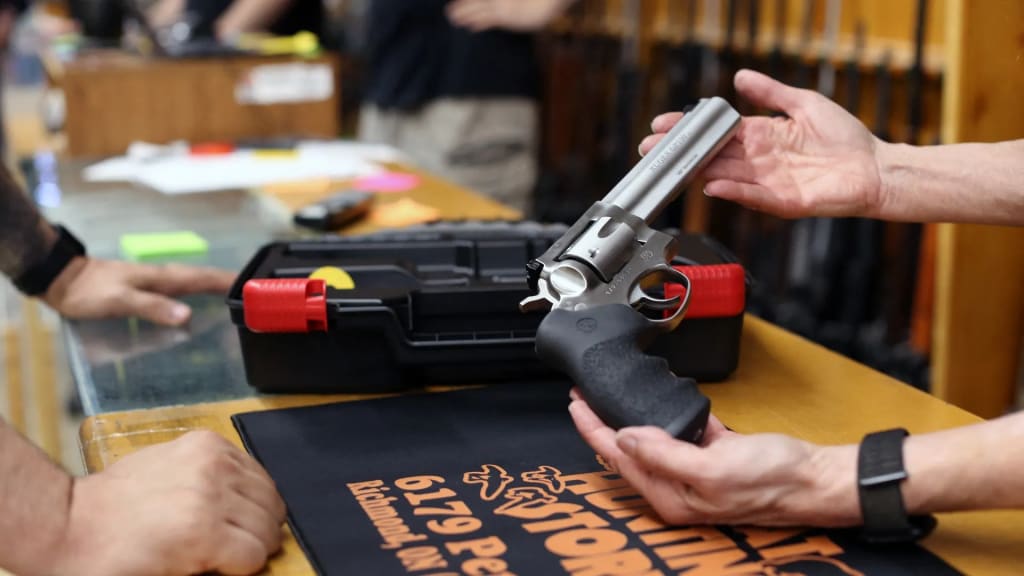
Canada’s firearm regulations set it apart from many other countries. While Canadians don’t have a constitutional right to bear arms, gun ownership is not off-limits. It’s a process—one with layers of safety measures, strict licensing requirements, and a commitment to public safety.
If you’re considering owning or carrying a firearm, it’s crucial to understand the legal landscape. Canada’s laws are designed to balance citizens' rights with the nation’s priority of protecting public safety.
Let’s break down what’s allowed, what’s restricted, and how you can navigate Canada’s firearm regulations as a responsible citizen.
Who Can Own Firearms in Canada?
Gun ownership in Canada is structured to ensure that only qualified, responsible individuals are granted the privilege of possessing firearms. The core step is obtaining a Possession and Acquisition License (PAL), a legal requirement for anyone wishing to own a firearm.
To qualify, applicants must pass a background check that assesses their criminal, mental health, and personal history. In addition, applicants must complete the Canadian Firearms Safety Course, which provides critical education on safe handling and responsible use.
Background checks are especially thorough, reflecting Canada’s commitment to balancing individual rights with collective safety. During the screening process, authorities look for any history of violence, mental health concerns, or criminal activity that could signal potential risks.
If any flags arise, the application may be denied, or additional information may be requested. By maintaining strict eligibility requirements, Canada fosters a responsible gun ownership culture that prioritizes safety at all times.
For minors, firearm ownership is also limited. While individuals under 18 cannot own firearms outright, they may be eligible for a minor’s license. This special license allows minors aged 12-17 to borrow non-restricted firearms under the direct supervision of a licensed adult, typically for activities like hunting and target shooting.
However, even with a minor’s license, they’re not permitted to purchase firearms or ammunition independently, further emphasizing Canada’s commitment to controlled access.
Carrying Firearms: Legal vs. Restricted
Unlike some countries where open carry is permitted, Canada has stringent restrictions on carrying firearms in public. For the average Canadian citizen, carrying a firearm for self-defense or daily protection is not permitted by law.
Carry permits are rare and are only granted under extreme circumstances, typically when there’s an immediate, documented threat to the applicant’s life. Even then, these permits are issued sparingly and must meet specific criteria under the law.
In Canada, there are two primary scenarios where carrying firearms is legally acceptable: hunting and target shooting. Both activities have well-defined legal frameworks. For hunting, individuals must have the appropriate licenses and follow specific seasonal and regional regulations. Hunters are required to carry their firearms safely and must use them solely within designated hunting zones.
Target shooting is another permitted use of firearms; however, it requires membership in a licensed gun range, and restricted firearms must remain unloaded and securely locked while in transit to and from the range.
Restricted firearms, such as certain handguns, come with additional regulations. Owners must secure an Authorization to Transport (ATT) permit if they intend to move these firearms to and from specific locations, such as gun ranges.
Failing to follow these rules can result in fines, revocation of licenses, or even criminal charges. For those new to firearm ownership, understanding the nuances of these permissions and restrictions is essential to ensure compliance and avoid unintentional legal issues.
Types of Firearms Allowed
In Canada, firearms are classified into three categories: non-restricted, restricted, and prohibited. Each category has distinct regulations, impacting who can own which types of firearms and how they can be used.
- Non-Restricted Firearms: This category includes most hunting rifles and shotguns. Non-restricted firearms are the most accessible type, yet they still require a PAL. These firearms are commonly used for hunting, and ownership is regulated but not overly restrictive. However, even with non-restricted firearms, owners must adhere to storage and transport regulations.
- Restricted Firearms: Typically, restricted firearms include handguns and some rifles with specific characteristics (such as barrel length). Ownership of restricted firearms requires both a PAL and an additional Restricted Possession and Acquisition License (RPAL). Restricted firearms can only be used at approved gun ranges, and they cannot be used for hunting or personal defense. To transport these firearms, owners must secure an ATT permit.
- Prohibited Firearms: Automatic firearms and certain high-capacity rifles fall under this category, making them largely inaccessible to the public. While there are rare cases where individuals who owned prohibited firearms before specific laws were passed are allowed to keep them, new acquisitions are banned. This restriction reflects Canada’s strong stance against weapons that could pose a significant risk to public safety.
Knowing which firearms are permitted and which are prohibited can help prospective gun owners avoid legal pitfalls. Staying within the legal bounds of these classifications ensures a safer environment for everyone.
Storage and Transport Requirements
Once a firearm is legally owned, proper storage and transportation are mandatory. This isn’t just about avoiding legal issues; it’s about promoting responsible ownership. Firearms must be stored in a secure location, ideally in a locked container or safe. Non-restricted firearms should be unloaded and, if possible, disassembled or locked with a secure locking device.
For restricted and prohibited firearms, storage regulations are even stricter. These firearms must be kept unloaded, equipped with a secure locking device, and stored in a locked room, safe, or vault. Ammunition must also be stored separately, ideally in a locked container.
These requirements are designed to reduce the risk of unauthorized access and accidental discharge, underscoring Canada’s commitment to gun safety.
When transporting firearms, owners must ensure that firearms are unloaded and, if they are restricted or prohibited, equipped with a trigger lock.
Additionally, restricted firearms can only be transported between approved locations, such as the owner’s residence and a licensed gun range. This limited scope of movement prevents unnecessary exposure of firearms in public spaces, further minimizing risk.
Why Compliance Matters
Canada’s firearm policies may seem strict, but they serve a vital purpose. Compliance isn’t just about adhering to the law; it’s about upholding a national commitment to safety and responsible ownership. Firearms are powerful tools, and in the wrong hands, they can lead to tragic outcomes. By following Canada’s regulations, gun owners contribute to a culture of responsibility and trust that benefits all citizens.
From preventing accidents to reducing the risk of firearms falling into criminal hands, these rules reinforce a broader philosophy of mutual safety. Compliance builds trust between firearm owners and the general public, demonstrating that Canadian gun owners prioritize safety just as much as their right to ownership.
In turn, this trust helps protect the rights of responsible gun owners, ensuring they can continue to use firearms legally for legitimate purposes like hunting and sport.
Conclusion
Canada’s firearm regulations may appear restrictive, but they’re a testament to the country’s balanced approach to public safety. By requiring thorough licensing, enforcing strict storage and transport laws, and categorizing firearms with precision, Canada ensures that firearm ownership remains a privilege exercised responsibly. For those considering purchases from Gun Stores Canada, understanding and respecting these laws is the first step toward being a responsible citizen.
Firearm ownership in Canada isn’t about asserting a right; it’s about upholding a commitment to safety and accountability. If you’re ready to navigate the process, remember: knowledge is your strongest tool. Familiarize yourself with the laws, stay informed, and make every effort to uphold Canada’s culture of responsible firearm use. Together, we can foster a safe and secure environment that honors the rights and responsibilities of gun ownership.
About the Creator
Keep reading
More stories from Victory Ridges and writers in Journal and other communities.
Selecting the Best Shooting Bag: What You Need to Consider
When it comes to improving your shooting accuracy and comfort, selecting the right shooting bag is essential. With various options available on the market, making an informed choice can significantly enhance your shooting experience. In this blog, we'll explore the key factors to consider when selecting the best shooting bag, while highlighting how Armageddon Gear can support your hunting and shooting needs.
By Victory Ridgesabout a year ago in Journal
Rebuilding the Heart of Tradition: The Revival of Sim Corder Mill
Restoring Sim Corder Mill is more than a construction project. It is a journey into the past and a promise to protect the skills that shaped a community. The mill once stood as a center of local craft, labor, and pride. Time changed the world around it, yet its story remained strong in the memories of families who lived and worked nearby. Today, the work of restoring Sim Corder Mill brings history back into view and honors the handmade craft that first gave the mill its purpose.
By Grady Gaston3 days ago in Journal


Comments
There are no comments for this story
Be the first to respond and start the conversation.