
Annapurna Circuit Trek in Nepal Itinerary – Complete Guide
Here’s a complete guide to help you navigate the Annapurna circuit trek, answer frequently asked questions, and plan your adventure through one of Nepal's most iconic trails.
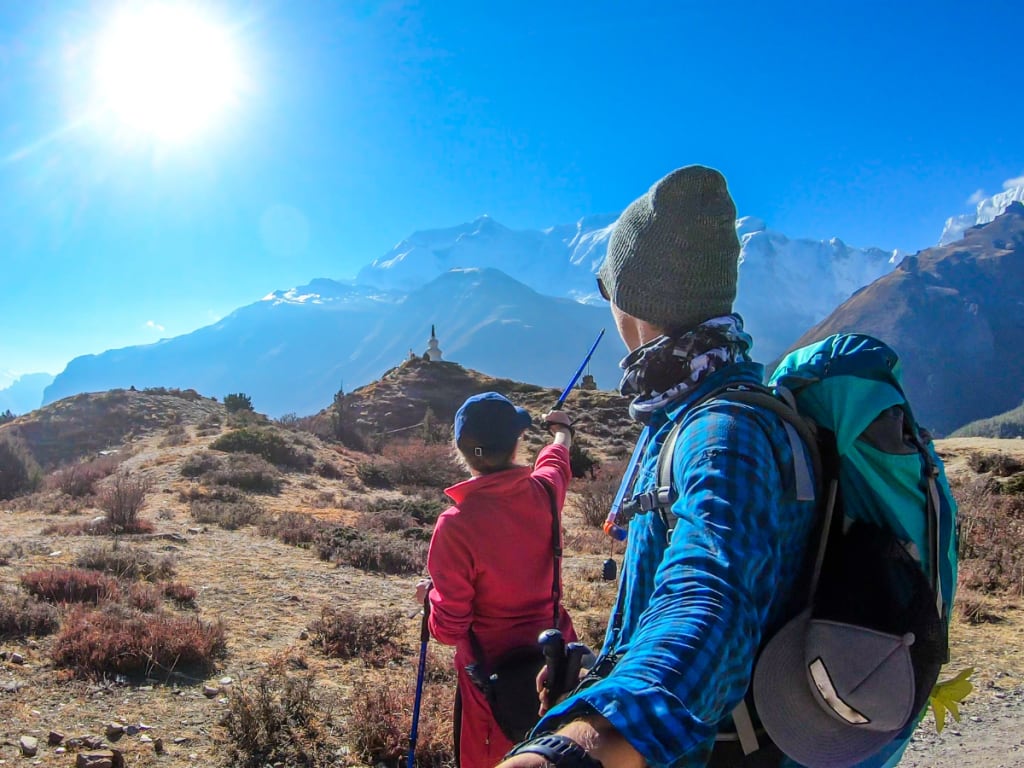
The Annapurna circuit trek itinerary is a world-famous trekking route that offers an extraordinary journey through Nepal’s diverse landscapes, rich cultures, and breathtaking mountain vistas.
Spanning approximately 14 days, this trek provides travelers with an immersive experience through lush valleys, quaint villages, and the challenging Thorong La Pass at 5,416 meters. Here’s a complete guide to help you navigate the trek, answer frequently asked questions, and plan your adventure through one of Nepal's most iconic trails.
Annapurna Circuit Trek Itinerary – A Day-by-Day Breakdown
Day 1: Arrival in Kathmandu
- Activity: Settle in Kathmandu, rest, or explore the lively Thamel area.
Day 2: Drive to Jagat (1,300m)
- Duration: 8–9 hours
Day 3: Trek from Jagat to Dharapani (1,860m)
- Duration: 6 hours
Day 4: Trek to Chame (2,670m)
Day 5: Trek to Pisang (3,300m)
Day 6: Trek to Manang (3,540m)
Day 7: Acclimatization Day at Manang
Day 8: Trek to Yak Kharka (4,050m)
Day 9: Trek to Thorong Phedi (4,450m)
Day 10: Cross Thorong La Pass (5,416m) to Muktinath
Day 11: Trek to Jomsom (2,720m)
Day 12: Flight to Pokhara
Day 13: Drive to Kathmandu
Day 14: Departure
This Annapurna Circuit Trek 14-day itinerary is crafted to balance challenging climbs with enough time for acclimatization, ensuring a safer and more enjoyable experience.
Annapurna Circuit Trek Difficulty:
The Annapurna Circuit Trek is considered moderate to strenuous, depending on your fitness level and trekking experience. While most of the trail is manageable for fit hikers, the high altitude at Thorong La Pass can make it a tougher challenge.
- Highlights: Altitude variations, rugged terrain, and long trekking hours.
- Best Approach: Prepare with cardiovascular and strength training at least a month before the trek.
Are Beginners Suitable for Annapurna Circuit:
Yes, many beginners have completed the Annapurna Circuit Trek with proper preparation and by allowing enough time to acclimate. Consider using a local guide in Nepal or a reputable Annapurna Circuit trek package to ensure safety, especially for first-timers.
What Makes the Annapurna Circuit Trek Worthwhile?
The trek's allure lies in its variety: from tropical jungles to high alpine deserts, with panoramic views of Annapurna, Dhaulagiri, and Manaslu. Trekkers also enjoy cultural exchanges with local communities, visiting villages like Manang and Pisang, where they encounter traditional Buddhist and Hindu customs.
Fitness Level Needed for the Annapurna Circuit Trek:
While you don’t need to be an elite athlete, a reasonable fitness level is essential for this trek. Having a good cardiovascular base, strength in your legs, and the ability to hike long distances for consecutive days is beneficial.
Preparation Tips:
- Cardiovascular workouts, such as swimming or running
- Exercises that strengthen the legs, such as lunges and squats
- Practice hikes with a loaded backpack
Annapurna Circuit vs. Annapurna Base Camp: Which is Better
Both treks are spectacular, but they offer different experiences:
- Annapurna Circuit: Longer, more challenging, with a variety of landscapes and cultures. It’s ideal for those seeking a comprehensive trek through different terrains.
- Annapurna Base Camp: A shorter trek, leading directly to the base camp. Perfect for those who want high mountain views but with less time commitment.
Is Everest Visible from the Annapurna Circuit?
No, Everest is not visible from the Annapurna Circuit due to its location. However, you’ll witness incredible views of Annapurna, Machhapuchhre, and Dhaulagiri.
Is a Porter Necessary for the Annapurna Circuit?
Hiring a porter can enhance your experience, allowing you to focus on the trek without the burden of a heavy backpack. This is particularly helpful on more challenging sections, like Thorong La Pass. You can either hire a porter through a trekking agency or arrange one in Kathmandu or Pokhara.
Can You Trek the Annapurna Circuit Without a Guide?
Yes, many trekkers choose to do the Annapurna Circuit independently. The trails are well-marked, and guesthouses provide food and lodging. However, a guide can enrich your experience, offering insights into the culture, history, and geography. But if you are new to this trek we recommend booking an Annapurna circuit trek package that can give you the best & safest experience.
Weather on the Annapurna Circuit – How Cold Does It Get?
Temperatures vary significantly:
- At Lower Elevations (up to 2,000m): Temperatures are mild, averaging 15-20°C (59-68°F).
- Higher Elevations (4,000m+): Expect cold temperatures, especially at night, which can drop to -10°C (14°F) or lower, particularly around the Thorong La Pass.
Be prepared with layers, a down jacket, and a good sleeping bag for cold nights.
Safety of Annapurna Circuit Trek Itinerary:
Safety is a priority on the Annapurna Circuit. The trails are well-traveled, and Nepalese authorities have implemented measures to aid trekkers. Nonetheless, altitude sickness is a concern, so acclimatization days and a slow pace are essential. If possible, travel with a guide who can monitor your health and guide you safely through challenging sections.
Annapurna Circuit Trek Itinerary Cost:
The cost for the Annapurna Circuit Trek can vary based on your preferences for comfort and services.
1. Estimated Costs:
- Permits: $40–$50 (TIMS and ACAP permits)
- Accommodation and Meals: $25–$50 per day (tea houses and food)
2. Guide and Porter Services:
- Guide: $25–$30 per day
- Porter: $20–$25 per day
3. Transportation: $50–$100 for internal flights (if you opt to fly from Jomsom to Pokhara)
4. Tips for Reducing Costs:
- Travel during the off-peak season for discounted rates
- Share guide and porter services with a group
- Opt for budget-friendly tea houses over premium lodges
Essential Packing List for the Annapurna Circuit Trek
- Clothing: Moisture-wicking base layers, fleece, down jacket, trekking pants, and a waterproof jacket
- Footwear: Sturdy trekking boots and woolen socks
- Essentials: Trekking poles, first aid kit, water purification tablets, and high SPF sunscreen
- Electronics: Power bank and camera
- Documents: Passport, trekking permits, and extra passport-sized photos
Also Read: Complete List of Gear for Multi-Day Treks in Nepal
The ideal season to Trek the Annapurna Circuit
The ideal trekking seasons are March- May, and September–December, offering stable weather and optimal visibility. While winter treks (December–February) are possible, the colder temperatures and closed lodges at higher altitudes can present challenges.

Final Thoughts on the Annapurna Circuit Trek
The Annapurna Circuit Trek in Nepal is an unforgettable journey filled with scenic beauty, cultural immersion, and the thrill of conquering high-altitude terrain. Whether you’re a seasoned trekker or a well-prepared beginner, this trek provides an unparalleled adventure in the Himalayas. Take the challenge, and experience why the Annapurna Circuit continues to captivate trekkers worldwide.
About the Creator
Nepal Hiking Team
Nepal Hiking Team, a travel agency, was started by two veterans of the tourism industry veterans Ganga Raj Thapa and Balaram Thapa, in 2009.
Keep reading
More stories from Nepal Hiking Team and writers in Journal and other communities.
See Why the Annapurna Base Camp Trek is the Best
Are you looking for an exciting adventure? The Annapurna Base Camp Trek might be the perfect choice. This trek, in the beautiful mountains of Nepal, is one of the best in the world. Whether you’re new to trekking or have done it before, this trip offers a great experience for everyone.
By Nepal Hiking Teamabout a year ago in Journal



Comments
There are no comments for this story
Be the first to respond and start the conversation.