
Aluminum Nitride: Properties, Applications, and Role in Advanced Ceramics
A High-Performance Ceramic Driving Innovation in Electronics and Industry

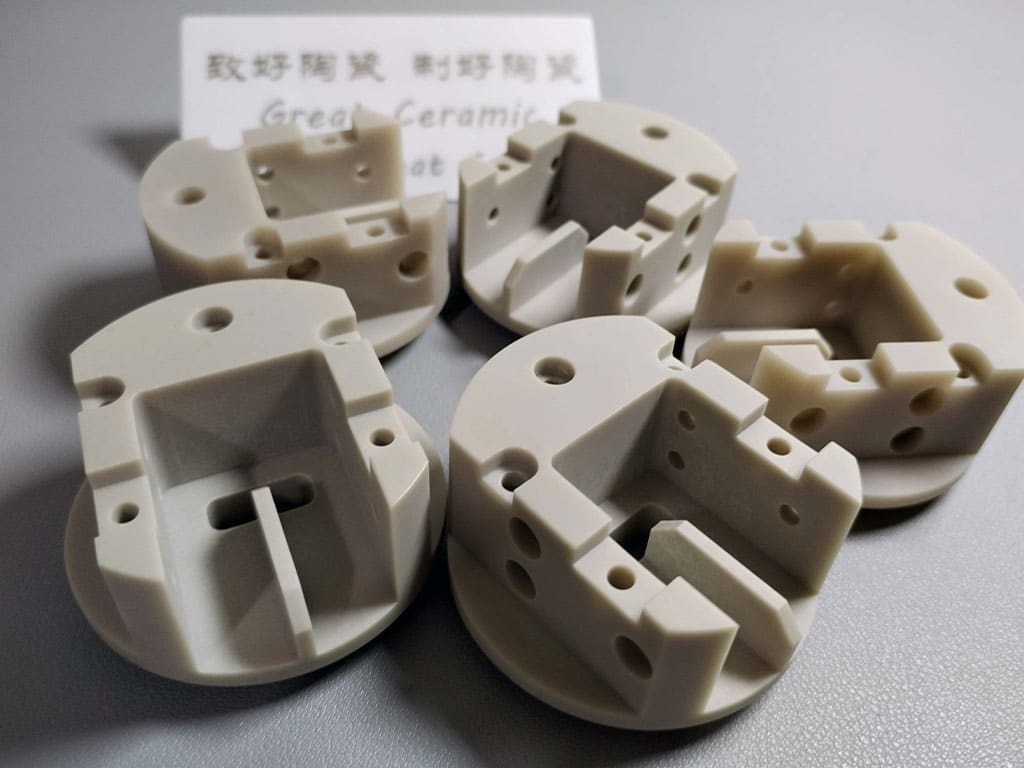
Ceramics have long been valued for their hardness, heat resistance, and durability. From ancient pottery to high-tech aerospace components, their applications have expanded alongside advancements in material science. Among these, aluminum nitride (often abbreviated as ALN aluminum nitride) stands out as a unique material that bridges the gap between traditional ceramics and modern engineering needs. As a member of the Advanced Ceramics family, aluminum nitride offers a combination of thermal conductivity, electrical insulation, and mechanical strength that makes it indispensable in electronics, aerospace, and power technology.
In this article, we’ll explore aluminum nitride’s properties, manufacturing processes, applications, and its position in the wider world of Technical Ceramics and ceramic meterial science.
1. Understanding Aluminum Nitride
Aluminum nitride is a covalently bonded ceramic compound composed of aluminum and nitrogen. Chemically stable and structurally robust, ALN exhibits properties that differ significantly from both traditional alumina (Al₂O₃) and metallic materials.
Its combination of high thermal conductivity (up to 285 W/m·K) and electrical insulation makes it a preferred choice in electronics. Unlike metals, aluminum nitride does not conduct electricity, but unlike most ceramics, it dissipates heat efficiently—an essential trait for heat sinks and substrate materials in high-power devices.
Key chemical and structural traits:
- Formula: AlN
- Crystal structure: Hexagonal wurtzite
- Density: ~3.26 g/cm³
Thermal expansion coefficient: Close to that of silicon, reducing thermal stress in semiconductor packaging.
2. Comparison with Other Ceramic Materials
When we talk about ceramic meterial, we often refer to a diverse group ranging from clay-based products to high-performance engineered compounds. Advanced Ceramics—which include aluminum nitride, alumina, zirconia, silicon carbide, and silicon nitride—are designed for technical applications where conventional ceramics fail.
Comparatively:
Alumina: Excellent wear resistance but lower thermal conductivity.
Zirconia: High fracture toughness but less thermally conductive.
Silicon Carbide: Extremely hard and thermally conductive, but often more expensive to process.
Aluminum Nitride: Offers a balanced profile for thermal management and electrical insulation.
This blend of traits places ALN in a unique position for ceramics manufacturers producing materials for microelectronics and power systems.
3. Manufacturing of Aluminum Nitride Components
Producing high-purity aluminum nitride requires precise control over processing to retain its thermal and electrical characteristics. The two primary synthesis methods include:
3.1 Direct Nitridation of Aluminum
Pure aluminum powder is heated in a nitrogen atmosphere at high temperatures (around 800–1000°C) to form AlN powder.
3.2 Carbothermal Reduction and Nitridation
Al₂O₃ reacts with carbon and nitrogen at temperatures exceeding 1600°C, forming AlN while releasing CO gas.
After synthesis, ALN powder undergoes:
Powder processing: Milling, spray drying.
Shaping: Pressing into green bodies using uniaxial or isostatic pressing.
Sintering: High-temperature densification under nitrogen atmosphere to achieve mechanical strength.
Machining: Precision cutting for electronic substrates.
4. Key Properties of Aluminum Nitride
The aluminum and nitride combination results in several desirable properties:
High Thermal Conductivity: Critical for dissipating heat from LEDs, laser diodes, and microprocessors.
Electrical Insulation: Essential for maintaining circuit integrity in high-voltage systems.
Low Thermal Expansion: Matches closely with silicon, reducing stress in semiconductor packages.
Chemical Stability: Resistant to corrosion in many environments.
Mechanical Strength: High hardness and wear resistance compared to metals.
5. Applications in Modern Technology
5.1 Electronics and Semiconductor Industry
ALN substrates are widely used in integrated circuits and microwave packages. Their ability to pull heat away from sensitive components without conducting electricity makes them ideal in power electronics and RF devices.
5.2 LED and Laser Diode Mounts
With the rising demand for high-brightness LEDs, ALN provides efficient thermal paths, extending component lifespan.
5.3 Power Modules and Insulators
Used in electric vehicles, wind turbines, and solar inverters to improve energy efficiency.
5.4 Aerospace and Defense
Thermal management is critical in radar and communication systems where aluminum nitride helps stabilize performance in extreme environments.
6. Challenges in Aluminum Nitride Use
Despite its advantages, aluminum nitride has some challenges:
Processing Cost: High-purity ALN production requires controlled environments and specialized equipment.
Machining Difficulty: Like most ceramics, it’s brittle and requires diamond tooling.
Oxidation Risk: Prolonged exposure to high temperatures in oxygen-rich environments can degrade its surface.
For these reasons, ceramics manufacturers constantly innovate to enhance ALN’s performance while reducing costs.
7. Aluminum Nitride in the Context of Advanced Ceramics
Technical Ceramics, also known as engineering ceramics, cover a range of materials developed for demanding industrial roles. Aluminum nitride plays a strategic role in this category, especially in applications requiring a mix of mechanical integrity, heat dissipation, and electrical insulation.
Other emerging advanced ceramics trends include:
- Integration with composite materials for added flexibility.
- Nano-engineered ceramic powders for enhanced sintering.
- Hybrid ceramics for improved fracture toughness.
The continued evolution of ceramic meterial science is likely to expand ALN’s role beyond electronics, into energy storage and biomedical devices.
8. Environmental and Sustainability Aspects
While ceramics are generally stable and inert, the production of aluminum nitride involves high energy input and careful resource management. Recycling ceramic components is still in early stages, but research into reclaiming ALN from outdated electronics is gaining momentum.
Conclusion
In the spectrum of Advanced Ceramics, aluminum nitride represents a perfect synergy of heat conduction and electrical insulation—traits that make it indispensable in the modern technological landscape. As a compound of aluminum and nitride, it supports the miniaturization and performance of electronic systems, while standing as a model for innovation in ceramic meterial engineering.
Looking ahead, ALN’s role will likely expand beyond current applications, with ceramics manufacturers developing new processing techniques to make it more cost-effective and adaptable. Whether in high-power electronics, aerospace systems, or future energy solutions, ALN aluminum nitride will remain a cornerstone of advanced ceramic technology.
About the Creator
Keep reading
More stories from charliesamuel and writers in Journal and other communities.
Alumina Ceramics: Properties, Applications, and Role in Modern Advanced Ceramics
Ceramics have been part of human civilization for thousands of years, evolving from simple clay vessels to cutting-edge materials used in aerospace, electronics, and healthcare. One of the most remarkable materials in this category is Alumina Ceramic — a high-performance ceramic known for its exceptional hardness, heat resistance, and electrical insulation properties. As part of the broader world of Advanced Ceramics, alumina plays a critical role in industries where precision, durability, and reliability are essential.
By charliesamuel7 months ago in Journal



Comments
There are no comments for this story
Be the first to respond and start the conversation.