
All You Need to Know About Sleeve Bearing Lubrication
Discover how proper lubrication improves sleeve bearing performance, extending lifespan & efficiency. Get tips from a trusted bearing manufacturer in this guide.

Introduction
When it comes to machines, it’s often the small parts doing the biggest jobs, and sleeve bearings are a great example. These components support shafts and keep the equipment running reliably by reducing friction between rotating parts. But for them to work well and last long, they need one simple thing: proper lubrication.
A trusted bearing manufacturer will help you in getting the right lubrication for protecting both the bearing and the machine.
In this blog, we’ll discuss everything you need to know about sleeve bearing lubrication, from how it works, to how to do it right.
In this blog, we’ll discuss everything you need to know about sleeve bearing lubrication, from how it works to how to do it right.
What is Sleeve Bearing?
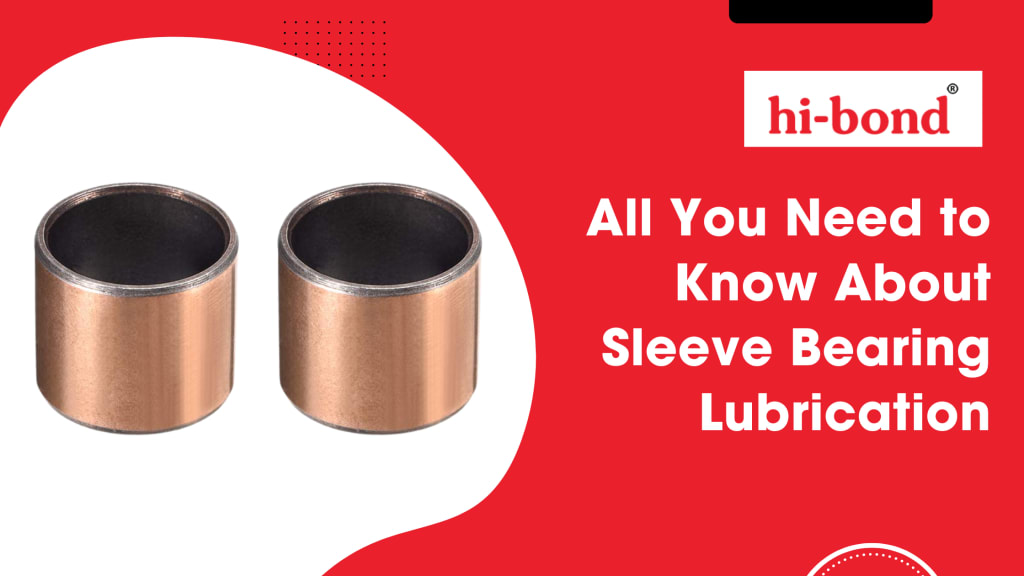
A sleeve bearing, also called a plain bearing, journal bearing, or bushing is a simple part that helps machines run smoothly. It looks like a hollow tube and holds a spinning shaft in place, which looks like a sleeve on your arm.
Unlike other bearings, it does not have any balls or rollers inside. Instead, it has a simple design that works by allowing the shaft to glide over a thin layer of lubricant, like oil or grease, to reduce friction.
You’ll find them in fans, motors, pumps, and many other machines that require quiet and steady movement. They’re tough and require low maintenance. They can also handle high speeds, heavy loads, heat, and even rough conditions.
Moreover, as they do not have any small or delicate parts, they tend to last longer, especially in places where other bearings might wear out quickly.
Why Lubrication Really Matters
Lubrication might not seem like a big deal, but trust me, it’s one of the easiest ways to take care of your machines.
When your machine is properly lubricated, everything just runs better. The parts move smoothly, there's less strain, and you avoid all that unnecessary wear and tear. But when there's no lubrication? The shaft and the sleeve bearing start rubbing too much. That creates heat, causes damage, and before you know it, things start breaking down.
Here’s what good lubrication actually does:
- It cuts down friction, so the parts glide instead of grind.
- It keeps things cool by carrying away all that extra heat.
- It helps your machine run more efficiently, so it performs better without working as hard.
- It protects your bearings, which means fewer replacements and less downtime.
- And it even helps the machine handle heavier loads by acting like a soft cushion between moving parts.
Bottom line? Lubrication is a small step that goes a long way. It keeps your machine running smoother, lasts longer, and gives you peace of mind. A little care now saves a lot of trouble later.
How Are Sleeve Bearings Lubricated?
Lubricating sleeve bearings might not seem like a big deal, but it’s one of the best ways to keep your machine running quietly and smoothly. It helps reduce friction, prevents parts from wearing out too fast, and makes everything last longer.
Now, the way you lubricate a sleeve bearing depends on the type of machine, how fast it runs, the kind of environment it’s in, and how often you can check on it. Let’s take a look at the main methods in plain, simple terms:
Oil Lubrication
Oil is a great choice for machines that run fast or work continuously. It flows easily and creates a thin, slippery film between the shaft and the bearing, which helps reduce friction and carry away heat. Many sleeve bearings are made of special porous materials (like powdered metal) that soak up oil and release it slowly as the machine runs.
Just remember, oil needs to be topped up and checked regularly to keep things running smoothly.
Grease Lubrication
Grease is thicker than oil and sticks around longer, which makes it ideal for machines that don’t run very fast or are difficult to maintain regularly. It forms a soft barrier between parts and also helps block out dust and moisture.
But be careful, not too much! Too much grease can trap heat, which you definitely don’t want.
Self-Lubricating Bearings
These are designed to take care of themselves. They come with built-in lubricant, either oil or a solid material like graphite that slowly gets released as the bearing works. They are perfect for places where you can’t stop the machine often or where access is tricky.
Once installed, they pretty much look after themselves with very little maintenance.
External Lubrication Systems
Some machines use special systems that deliver lubrication continuously, like oil rings, pressurized oil setups, or even oil mist. These are best for bigger or more complicated machines that need precise and constant lubrication. They keep everything coated without you having to do much, which is super handy.
Overall, no matter which method you use, the aim is to keep everything running smoothly, protect your parts, and get the most life out of your equipment.
If you’re not sure which method is right for your machine, don’t guess, check the manual or talk to the bearing manufacturer. A little expert advice can go a long way in keeping things running just right.
Factors That Affect Lubrication Choice
Choosing the right lubricant for a sleeve or plain bearing isn’t just about picking oil or grease, it depends on how your equipment works and what it goes through daily. The right match ensures smooth performance, less wear, and a longer lifespan.
Here are the key things to consider:
- Speed: When parts move fast, they heat up more, so oil works best because it cools and flows easily. For slower machines that start and stop often, grease usually does a better job.
- Load: Heavy loads need thicker lubricants that can stand the pressure. Sometimes, adding solid stuff like graphite or moly helps protect even more.
- Temperature: Heat can thin out some lubricants and make them less effective. You want one that stays steady, even when things get hot.
- Environment: If your machine works in dusty, dirty, or wet places, you’ll need tougher grease or to lubricate more often, especially if the seals aren’t perfect.
- Access & Maintenance: If it’s hard to get to the bearing, self-lubricating bearings or long-lasting grease are the way to go. If you have to grease it by hand, just be sure to use the right amount at the right time.
- Lubricant Quality: It’s not just about thickness. Look for lubricants that protect against wear, fight rust, handle heat well, and keep out water and air.
Think about how your machine works every day, and pick a lubricant that fits. The right choice will save you time, money, and headaches down the road.
Signs Your Sleeve Bearing Needs Lubrication
Just like your car tells you it needs an oil change, sleeve bearings have their own warning signs when they’re running dry. If you notice any of these, it’s time to take action:
- Unusual noises - Grinding, squeaking, or humming sounds
- Increased vibration or wobbling - A smooth machine shouldn’t shake.
- Rising temperatures - If the area around the bearing is heating up, something’s off.
- Sluggish performance - Slower speeds or reduced output can mean poor lubrication.
What Causes This?
Several things can lead to bearing wear:
- Not enough lubricant - When there isn’t enough oil or grease, surfaces rub directly, causing damage.
- Overheated lubricant - Heat thins the oil too much, reducing its ability to protect the bearing.
- Rough surfaces - Imperfections on the shaft can scrape and wear down the bearing.
- Imbalance or misalignment - Uneven loads or off-center shafts put extra stress on the bearing.
- Metal fatigue - If the bearing material isn’t up to the job, it wears out faster over time.
Spotting the signs early and using the right lubrication helps avoid bigger issues down the road.
Best Practices for Sleeve Bearing Lubrication
To keep things running smoothly, here are a few simple tips:
- Don’t overdo it - Too much lubricant can cause just as many problems as too little.
- Stick to a schedule - Make lubrication part of your regular maintenance routine.
- Use clean tools and clean lubricant - Dirt and debris can damage the bearing.
- Monitor performance - Keep an eye (or ear) on how things are running. Sudden changes usually mean something’s off.
- Follow manufacturer guidelines - Every machine is different, and the bearing manufacturing company knows what works best for their design.
Expert Bearing Manufacturer Help Improve Machine Lifespan with Sleeve Bearing Lubrication.
Lubricating a sleeve bearing isn’t complicated, but it’s incredibly important. It’s one of those small steps that can save you big time, less wear, less heat, and fewer breakdowns. Whether you’re managing heavy industrial equipment or just keeping a small fan running smoothly, knowing how to care for sleeve bearings, especially common types like the bronze bearing, makes all the difference.
If you're ever unsure about the right lubricant or method, a trusted bearing manufacturer can guide you with expert advice based on your specific setup.
Next time you hear a hum or feel a vibration, check the bearing, a little lubrication might be all it needs to run smoothly again.
About the Creator
Rightwingers of the World Unite to Endorse Orbán Ahead of Hungary’s Election
As Hungary gears up for its next parliamentary elections, Prime Minister Viktor Orbán has found support not just at home but across the global right-wing spectrum. From Europe to the Americas, conservative leaders, nationalist movements, and far-right political organizations are openly backing Orbán, citing his policies on national sovereignty, immigration control, and cultural conservatism as a model for their own agendas.
By Fiaz Ahmed Brohi5 days ago in Journal


Comments
There are no comments for this story
Be the first to respond and start the conversation.