
AI Image Labeling | Transforming Data Annotation for Machine Learning
In this blog, we will explore the significance of AI image labeling, its applications, challenges, and future potential.

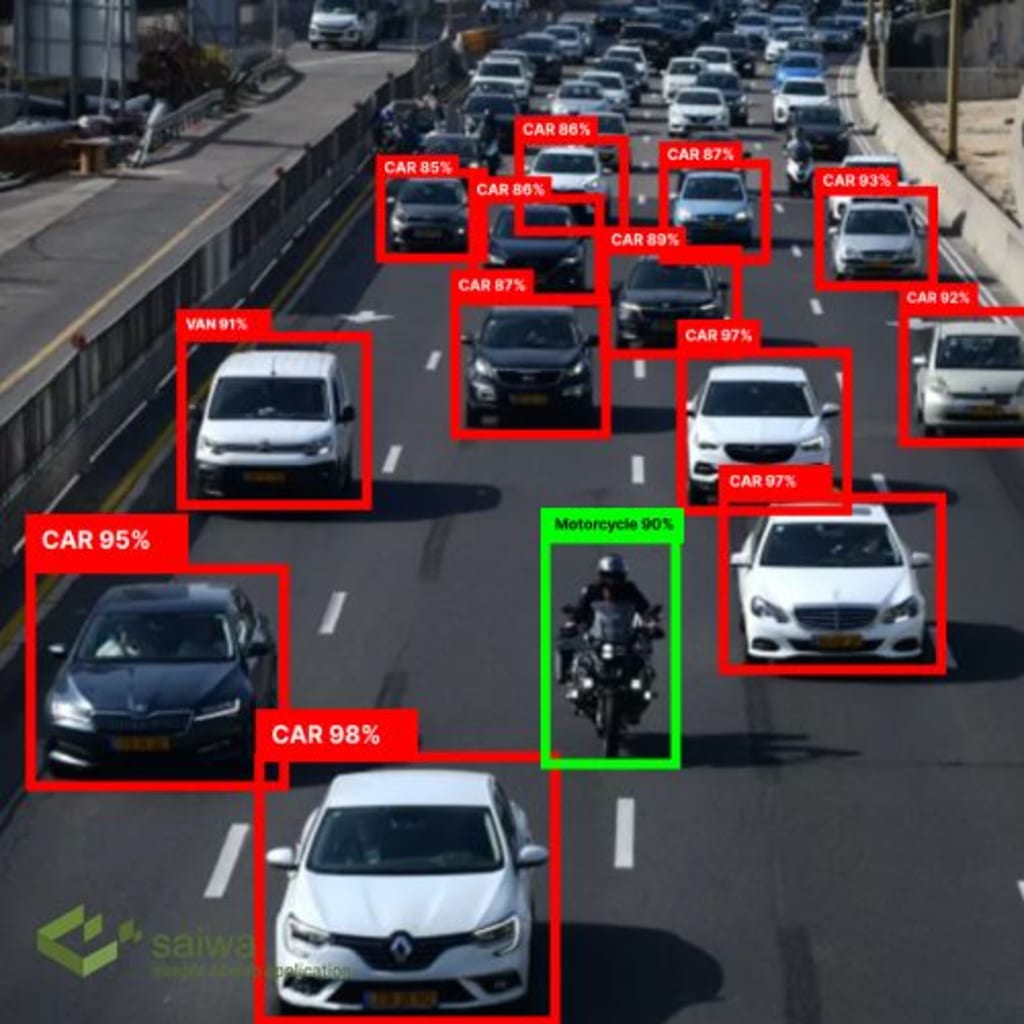
The rise of artificial intelligence (AI) has revolutionized various industries, and one of the most significant advancements is AI image labeling. This technology plays a critical role in training machine learning models, allowing computers to recognize and categorize visual data with high precision.
What is AI Image Labeling?
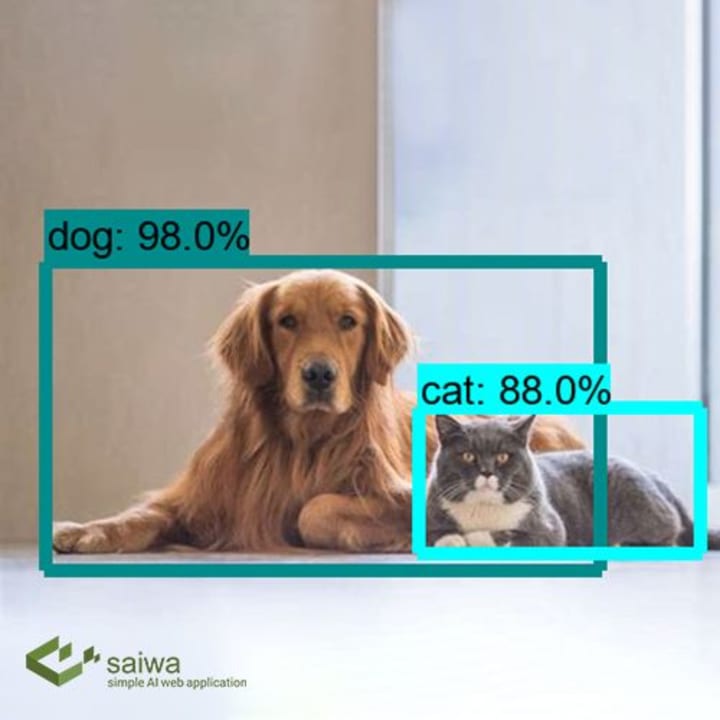
AI image labeling is the process of assigning labels or annotations to images, making them understandable for AI models. It enables machine learning algorithms to identify objects, classify images, and detect patterns. The process involves using automated techniques that significantly reduce manual effort and enhance accuracy.
In traditional methods, human annotators manually label images, which can be time-consuming and prone to errors. However, with AI image labeling, automated systems streamline the process, reducing costs and improving efficiency.
Applications of AI Image Labeling
1. Autonomous Vehicles
One of the most critical applications of AI image labeling is in self-driving cars. Autonomous vehicles rely on labeled images to recognize pedestrians, road signs, vehicles, and other objects in real-time. Accurate labeling ensures safe navigation and decision-making.
2. Healthcare and Medical Imaging
AI-powered medical imaging solutions use AI image labeling to detect diseases such as cancer, pneumonia, and fractures. Annotated medical scans help AI systems analyze X-rays, MRIs, and CT scans, assisting doctors in early diagnosis and treatment.
3. Retail and E-Commerce
E-commerce platforms use AI image labeling to categorize products, enhance search accuracy, and improve customer experience. Labeled images enable AI systems to recommend similar products, boosting sales and personalization.
4. Agriculture
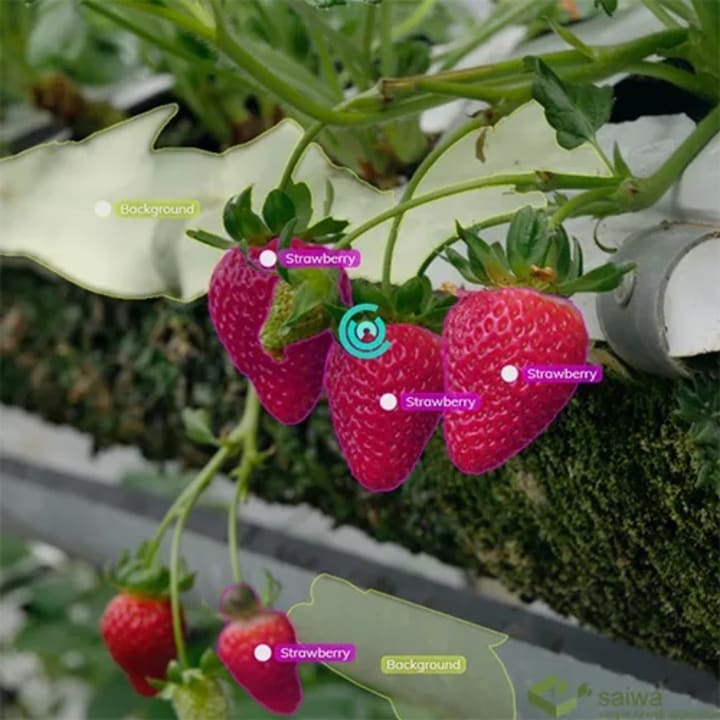
Precision agriculture benefits from AI image labeling by identifying crop health, detecting pests, and optimizing farming techniques. Drones equipped with AI models analyze labeled images to monitor large farmlands efficiently.
5. Security and Surveillance
Surveillance systems use AI image labeling to detect unusual activities, recognize faces, and enhance security measures. AI-powered video analytics help law enforcement agencies in crime prevention and investigation.
Challenges in AI Image Labeling
Despite its numerous advantages, AI image labeling comes with challenges that impact accuracy and efficiency.
1. Data Quality and Bias
The quality of labeled data directly affects AI performance. Poorly labeled images lead to inaccurate models. Additionally, biases in data annotation can result in unfair AI decisions, making diversity in training datasets essential.
2. Scalability Issues
Processing large datasets requires significant computational resources. While automation speeds up AI image labeling, managing massive amounts of data efficiently remains a challenge.
3. Human-in-the-Loop Annotation
Although automation enhances labeling speed, human intervention is still needed for validation. Combining AI automation with human expertise ensures higher accuracy in AI image labeling.
4. Cost and Time Constraints
Manual annotation is expensive and time-consuming. Even with AI-assisted labeling, achieving high accuracy while minimizing costs remains an ongoing concern.
Future of AI Image Labeling
The future of AI image labeling is promising, with advancements in deep learning and computer vision driving new possibilities. Some of the key trends include:
1. Self-Supervised Learning
Self-supervised learning reduces the need for large labeled datasets by enabling AI to learn from unlabeled images. This approach minimizes manual efforts while improving model generalization.
2. Federated Learning
Federated learning enhances privacy by training models across multiple decentralized devices without sharing raw image data. This technique improves security and data efficiency in AI image labeling applications.
3. Improved Annotation Tools
AI-driven annotation tools are becoming more sophisticated, integrating features like real-time object tracking and interactive labeling. These tools make AI image labeling more efficient and user-friendly.
4. Edge AI Integration
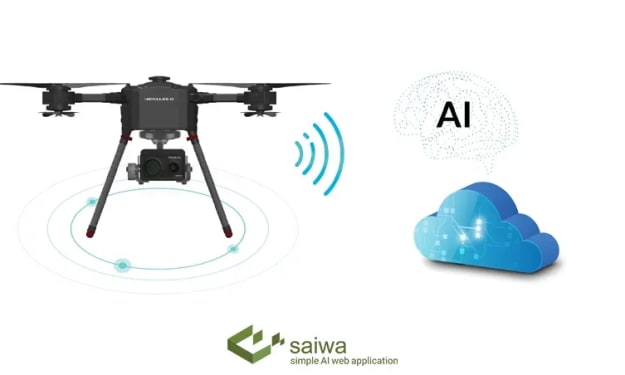
With the rise of edge computing, AI image labeling can be performed directly on edge devices, reducing dependency on cloud resources. This advancement enables real-time labeling in applications like autonomous drones and smart cameras.
Saiwa is an AI platform specializing in privacy-preserving artificial intelligence and machine learning solutions. It offers cutting-edge AI image labeling services, helping businesses streamline data annotation with precision and efficiency. Saiwa's innovative approach ensures high-quality labeled datasets for various AI applications.
Conclusion
AI image labeling is transforming industries by enabling machine learning models to interpret visual data accurately. From autonomous vehicles to healthcare and security, its applications are vast and impactful. Despite challenges related to data quality, scalability, and costs, advancements in AI are continually improving the efficiency of AI image labeling. As technology evolves, the future holds exciting possibilities for AI-driven image annotation, making it a cornerstone of modern AI applications.
About the Creator
saiwa etudeweb
saiwa is an online platform which provides privacy preserving artificial intelligence (AI) and machine learning (ML) services.
Keep reading
More stories from saiwa etudeweb and writers in Journal and other communities.
Drone with AI | Revolutionizing Autonomous Aerial Technology
A drone with AI is not just a remotely controlled flying machine; it is an autonomous system capable of decision-making, object detection, and complex data analysis. The combination of drones and AI is shaping various industries, from agriculture and security to logistics and environmental monitoring.
By saiwa etudewebabout a year ago in Journal
Multi-Model AI Architectures: Combining Models for Better Results
For a time, the tech world has been trying to build bigger and bigger AI models. The idea was simple: if you want a system, just put more data and more parts into one big model. Yes, these big models are pretty cool. They can write poetry, answer questions, and generate code all at the same time.
By Eric Weston7 days ago in Journal
Early March 2026: 4 Goals Accomplished
It's early March and I've now accomplished my 4th writing goal for the year of 2026. Before diving into the behind-the-scenes of it... why not tell you up front what that accomplishment was? I was published in a 2nd publication for this year. Published in Helix Literary Magazine out of Central Connecticut State University. You can read it for free right now!
By Stephen Kramer Avitabile7 days ago in Writers


Comments
There are no comments for this story
Be the first to respond and start the conversation.