
Adventure Above the Clouds: Your Guide to Island Peak Climbing
Adventure Above the Clouds: Your Guide to Island Peak Climbing
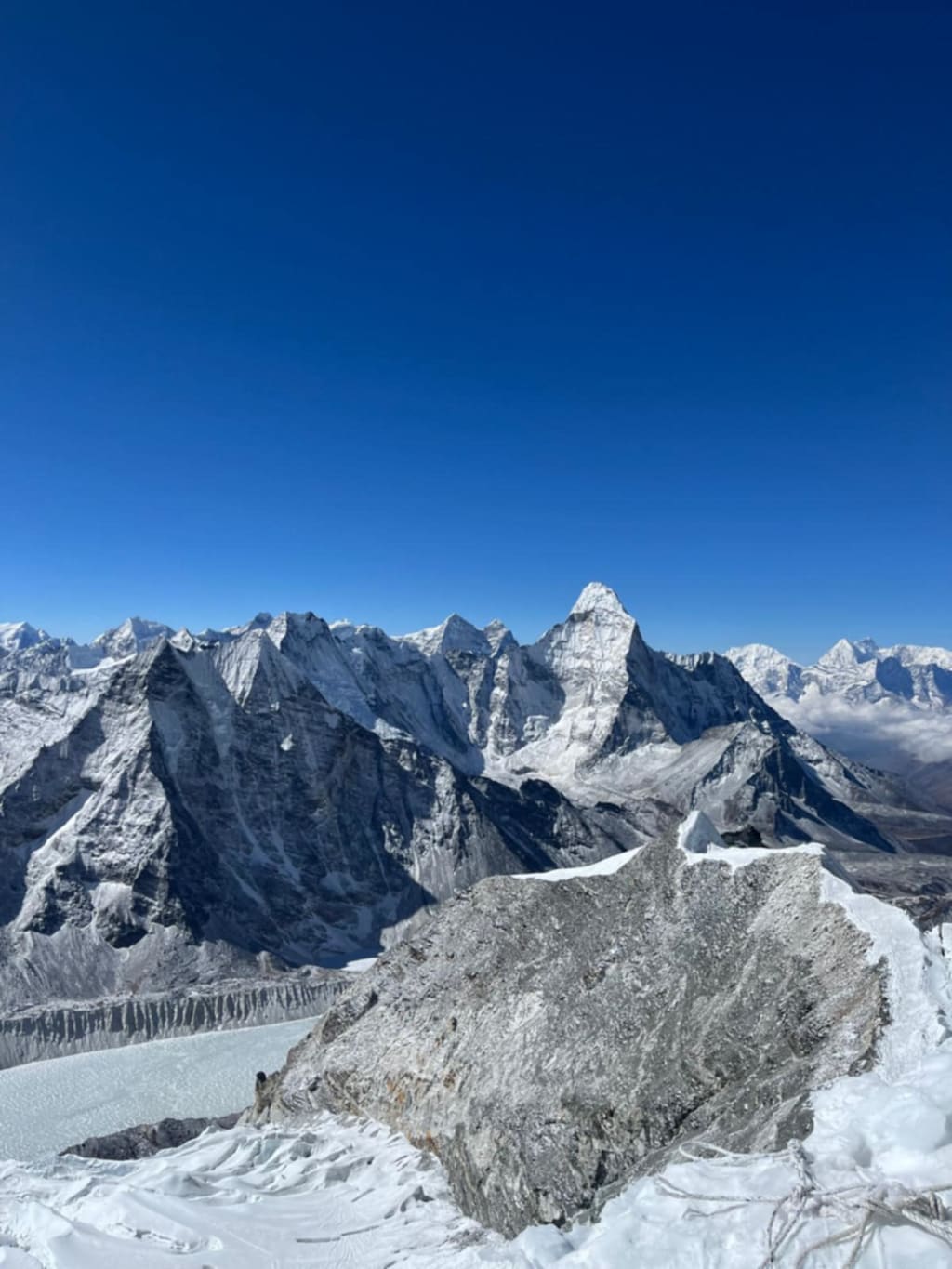
If you dream of standing on top of a snow-covered mountain with the world below your feet, Nepal’s Island Peak is calling you. This beautiful Himalayan mountain, also known as Imja Tse, is one of the most popular trekking peaks in the Everest region. The journey is known as Island Peak Climbing, and it offers the perfect mix of adventure, nature, and culture.
Island Peak gets its name because it looks like an island rising from a sea of ice when seen from Dingboche village. It stands tall at 6,189 meters (20,305 feet) and is a great peak for people who want to experience real mountain climbing for the first time. You don’t need to be a professional mountaineer, but you do need to be fit, determined, and ready for a challenge.
What Makes Island Peak Special?
Island Peak is a favorite among climbers because it offers a real Himalayan climbing experience without being extremely difficult. You’ll walk through ancient Sherpa villages, cross high suspension bridges, and enjoy stunning views of the world’s highest peaks. Along the way, you’ll see Everest, Lhotse, Nuptse, and Ama Dablam – all famous giants of the Himalayas.
The journey is not just about the mountain. It’s also about meeting kind-hearted local people, visiting monasteries filled with prayer flags, and learning about the unique Sherpa culture. Every step of the way, you’ll feel the spirit of the Himalayas around you.
Route and Itinerary
The trip usually begins with a thrilling flight from Kathmandu to Lukla, a small airport on the edge of the mountains. From Lukla, the trekking starts. You’ll pass through villages like Phakding, Namche Bazaar, Tengboche, and Dingboche. These places offer great views and also help your body get used to the higher altitude.
Namche Bazaar is a famous Sherpa town and a great place to rest and explore. You can visit local shops, drink warm tea, and enjoy the mountain scenery. After a few more days of trekking, you’ll reach Island Peak Base Camp, which is your starting point for the summit climb.
Most climbers stay a night at Base Camp to rest and prepare. Some even go to a higher camp to make the summit day a little shorter. The final climb starts very early in the morning, often around 2 or 3 a.m. The air is cold, and the stars are still out. As you climb higher, the sun rises behind the snowy peaks – a moment you will never forget.
The final section includes climbing on snow and ice, crossing glaciers, and using ropes. A guide will help you with your gear and safety. When you reach the top, the feeling is magical. The view is 360 degrees of pure mountain beauty.
Best Time for Island Peak Climbing
The best time for island peak climbing is during the spring (March to May) and autumn (September to November) seasons. These months offer clear skies, stable weather, and good visibility. Spring brings blooming rhododendron forests and mild temperatures, while autumn gives crisp air and colorful landscapes.
Avoid the monsoon season (June to August) because of heavy rain and slippery trails. Winter (December to February) can be extremely cold and snowy, making the climb much harder.
Who Can Do It?
Island Peak is considered a beginner-friendly climbing peak, but that doesn’t mean it’s easy. You need to be in good physical shape and able to walk for several hours a day with a backpack. Some sections are steep and require basic climbing gear like crampons, ropes, and an ice axe. If you’ve done high-altitude trekking before – like Everest Base Camp or Annapurna Circuit – you’ll have a big advantage.
Training before the trip is a good idea. Try long hikes, running, cycling, and strength training. Also, practice walking uphill with a loaded backpack. Being prepared will make your adventure much more enjoyable.
Gear and Guides
To climb Island Peak, you’ll need proper gear. This includes trekking boots, warm clothes, gloves, a down jacket, a sleeping bag, a harness, helmet, and climbing boots. Many tour companies in Nepal provide the climbing equipment or offer it for rent.
Hiring a certified guide is strongly recommended. They know the route, the weather, and how to handle safety issues. A good guide also helps you with logistics, meals, and altitude management. You can join a group trek or plan a private climb – both options are available with many local and international trekking companies.
Health and Safety
Altitude sickness is one of the biggest risks when climbing in Nepal. To stay safe, it’s important to take your time, drink plenty of water, and follow your guide’s advice. Most climbing itineraries include acclimatization days – don’t skip them. If you feel dizzy, tired, or sick, speak up immediately.
Travel insurance that covers high-altitude trekking and emergency rescue is also very important. In case of emergency, helicopters can fly you to a hospital in Kathmandu – but it’s expensive without proper coverage.
A Life-Changing Experience
Climbing Island Peak is not just about reaching the top. It’s a journey that teaches patience, strength, and respect for nature. You’ll make new friends, share stories, and return home with a sense of achievement that few people ever feel.
Whether you’re chasing your first Himalayan summit or adding to your adventure list, island peak climbing offers an unforgettable experience. With every step, you’re not just climbing a mountain – you’re climbing into a new version of yourself.
So lace up your boots, follow the winding trails, and let the mountains show you the magic of the sky. The peak is waiting – and so is your next big adventure.
About the Creator
Keep reading
More stories from Alice Jenkins and writers in Journal and other communities.
Everest Three Pass Trek
If you're looking for an adventure that will challenge you and reward you with some of the most breathtaking views on Earth, the Everest Three Pass Trek is the perfect choice. This trek offers not only a chance to stand at the base of the world's tallest mountain but also an opportunity to cross three high-altitude mountain passes—Renjo La, Cho La, and Kongma La. The Everest Three Pass Trek is a remarkable journey through the heart of the Himalayas, filled with stunning landscapes, unique cultural experiences, and a sense of accomplishment unlike any other.
By Alice Jenkins10 months ago in Journal
The Truth Behind the Earnings of Cross - border Sales Champions
A cross - border e - commerce sales champion once put it bluntly: Sales is never simply about selling products. Instead, it involves precisely providing emotional value and continuously delivering tangible benefits. Mastering this field not only enables rapid monetisation but also accumulates the most crucial confidence for entrepreneurship. Most people only focus on the surface of successful transactions, failing to understand the underlying logic.
By Lady Alkaida day ago in Journal




Comments
There are no comments for this story
Be the first to respond and start the conversation.