
A Hidden Gem in Hokkaido: Why You Need to Visit Noboribetsu
“Looking for a unique experience in Japan’s Hokkaido region? Noboribetsu offers something for everyone — from nature lovers to history buffs!”
Noboribetsu Onsen: A Geothermal Paradise, Nature Lover’s Dream, and History Buff’s Haven
Nestled in the heart of Hokkaido’s mountains, Noboribetsu Onsen is a picturesque town that draws visitors from around the world, eager to experience its unique blend of natural beauty and rich history. While Noboribetsu is the name of the larger city, the main attraction lies a short bus ride away, in the serene Noboribetsu Onsen area. Known for its rejuvenating hot springs, this charming town offers more than just a relaxing getaway—it’s a window into Japan’s fascinating geological wonders and its deep cultural heritage.
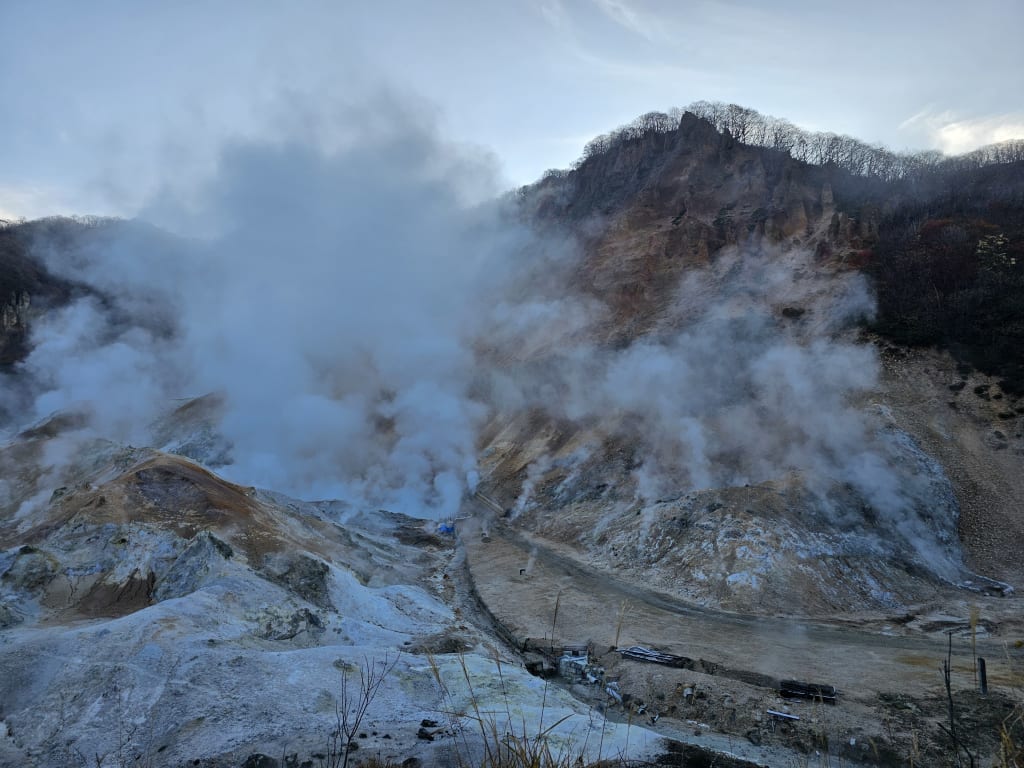
At the heart of Noboribetsu Onsen lies the Jigokudani Valley, often called Hell Valley. This geologically active area is home to hot springs, bubbling mud pools, and sulfuric vents, which release plumes of steam into the crisp mountain air. The dramatic landscape, with its otherworldly steam vents and mineral-rich waters, creates an unforgettable experience for visitors. As you walk along the well-maintained paths through the valley, you’ll feel the heat rising from the earth beneath your feet, making it clear that this area is truly alive with geothermal activity.
Beyond its famous hot springs, Noboribetsu Onsen is home to a variety of other attractions. The Noboribetsu Bear Park, a short cable car ride up the mountain away, is a charming zoo that offers a chance to get up close with playful bears in their natural habitat. For those interested in history and culture, the Noboribetsu Date Jidai Village, an Edo-period theme park, brings the past to life with traditional performances, food, and games. Together, these sites make Noboribetsu Onsen an ideal destination for nature lovers, history enthusiasts, and anyone seeking a peaceful retreat.
Hell Valley: Nature’s Geothermal Show
If you're visiting Noboribetsu Onsen, Hell Valley (Jigokudani) is an absolute must-see. Located just a few minutes' walk from the town’s main accommodations, this valley is a dramatic showcase of steam, sulfuric rock, and geothermal activity. From the moment you lay eyes on it, you’ll be amazed by the otherworldly scene before you, as if you’ve stepped into a natural wonder that seems too extraordinary to exist.
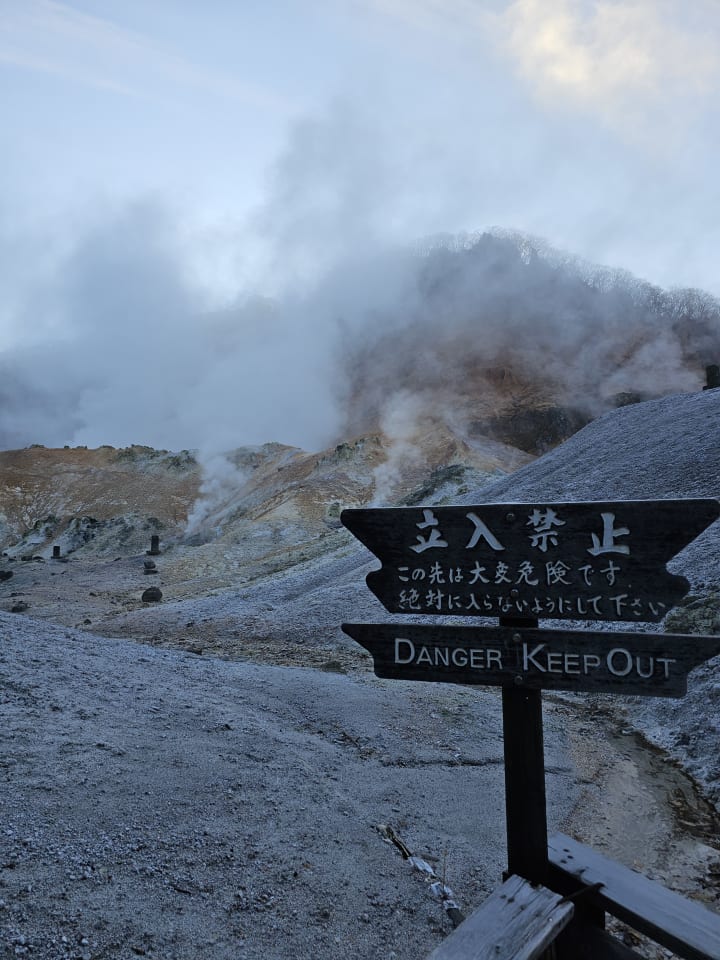
The valley is filled with vibrant orange
sulfuric rocks and vibrant blue mineral-rich waters that wind their way through the landscape. The color contrast is striking, and the opportunities for photos are endless. If you visit during late autumn, winter, or early spring, you'll be treated to plumes of smoke rising from the geologically active vents beneath the earth, adding an ethereal quality to the already stunning views.
A wooden walkway runs along the edge of the valley, guiding visitors straight into the heart of the steamy field. Surrounded by tall mountains, the vivid blue water, and the orange rock, it's easy to get lost in the scenery while taking photos. However, be prepared for crowds, especially at peak times, as many others are also eager to capture the beauty, making the narrow walkway feel a bit crowded at times.
At the central point of the walkway, the path branches off to a small mound, offering a panoramic view of the valley—another perfect spot for photos and taking in the full beauty of the area. From here, you have the option to either loop back to the start or, if you're feeling adventurous, take the trail that leads up the mountain.
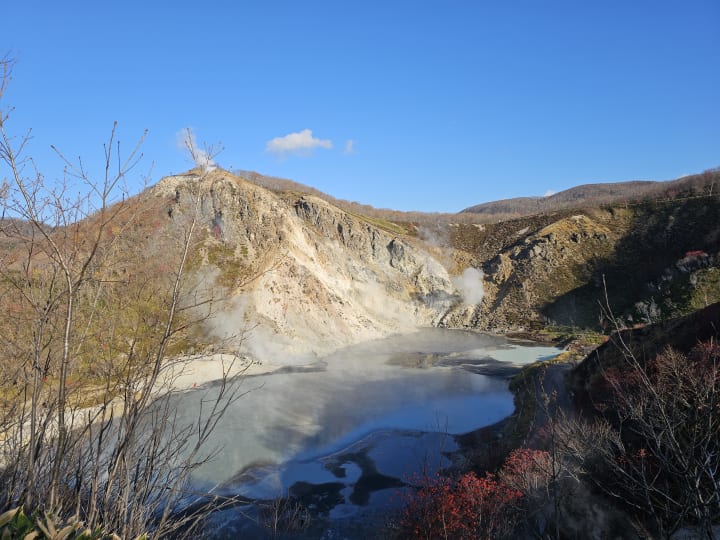
The trail is a bit more challenging, with a series of steep stairs and a good amount of walking, but the reward is worth it. After reaching the top, you’ll be greeted by Oyunuma Pond and Okunoyu, two steaming hot ponds surrounded by lush vegetation and towering mountains. If you prefer a less strenuous route, a gentler trail and road also connect the ponds.
For those who opt for the original trail, the climb leads to the Oyunuma Lookout, an incredible vantage point offering sweeping views of the pond below. The sight is breathtaking, and it's hard not to be in awe of the natural beauty around you. However, the adventure doesn’t end there.
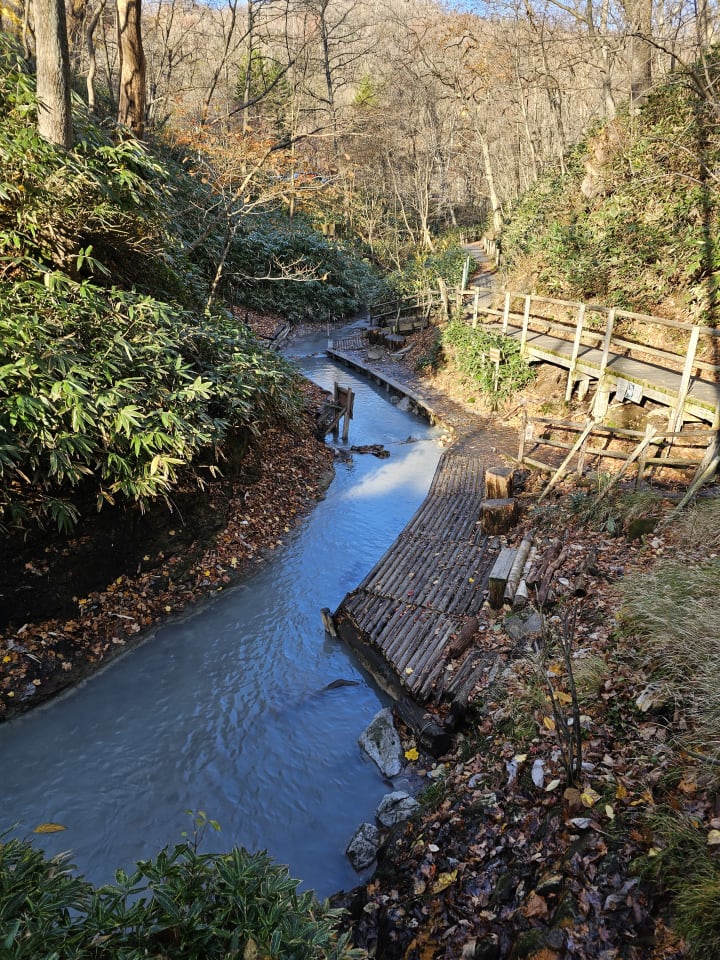
Instead of returning via the same route, take a peaceful, flat trail through the surrounding vegetation and forests, following the steaming river back toward town. Along the way, you’ll find the Oyunuma River Natural Footbath, a soothing stop where you can dip your feet into the warm, mineral-rich waters and unwind. It’s a perfect way to relax after all your hiking and exploration.
Finally, after an unforgettable journey through Hell Valley, you’ll emerge back into the town, ready to enjoy some delicious local food and reflect on your adventure.
The Noboribetsu Bear Park: Playful and Heartwarming
The Noboribetsu Bear Park is a must-see attraction, easily accessible via a cable car ride from the town center. The journey up the mountain offers stunning views, and the friendly staff ensure a smooth, safe ride. Keep an eye out for remnants of the old cable car infrastructure.

Once at the top, visitors are greeted with several paths through this charming park. I personally started by turning right, where I found two playful bear cubs chasing each other in their enclosure. After enjoying their antics, we checked the schedule and discovered a quirky duck race. We picked our ducks, and though my pick—Greeny—didn’t win, the race was a fun, lighthearted experience.
Next, we ventured to the larger bear enclosures. Walking through a small tunnel, we found ourselves in the midst of a male bear’s domain. Though protected by thick glass walls, the sight of these massive creatures scratching and breathing heavily was a bit nerve-wracking. The bears knew exactly where to find attention, clawing at the walls and engaging visitors. You could even buy treats from a vending machine to feed them, which added to the fun.
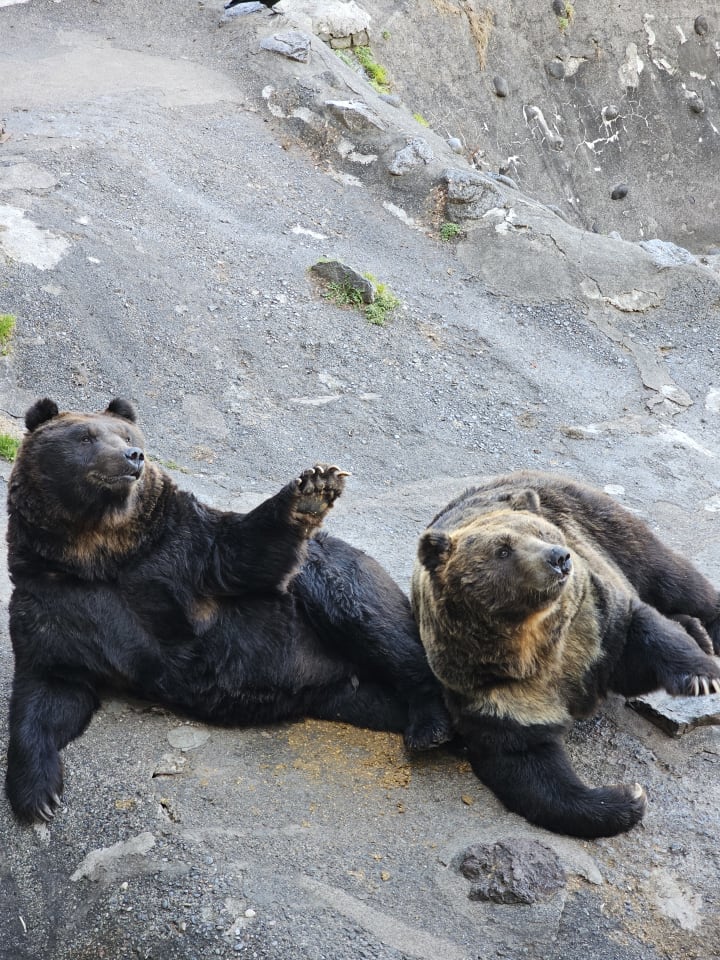
Upstairs, an observation deck provided a fantastic view of the park and surrounding mountains. The smaller female bears waved their paws, eagerly begging for treats as well. With the park relatively empty during our visit, we had the rare opportunity to interact with the bears, watching them catch treats mid-air.
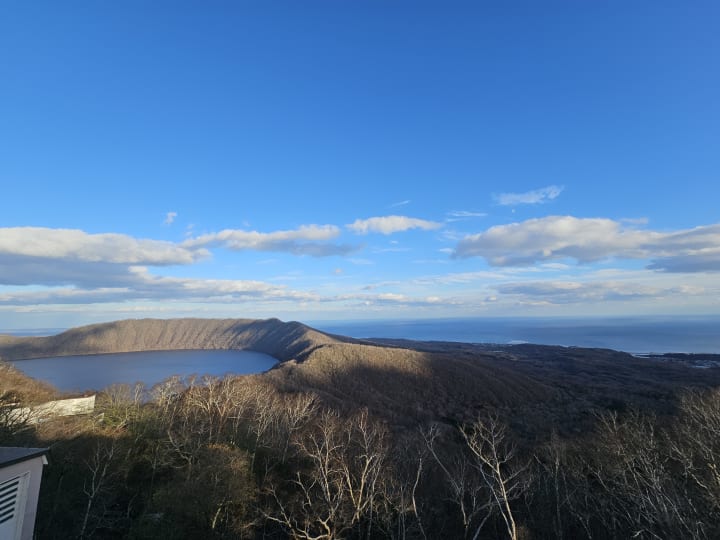
One of the highlights of the Bear Park is the observation deck overlooking Lake Kuttara, located just a short walk from the main bear enclosures. From here, the panoramic views are breathtaking, offering a stunning perspective of the tranquil lake, the mountains, and the surrounding forest. It’s a perfect spot for photos, so make sure your camera is ready to capture the scene.
A short walk brought us to another highlight: a bear scavenger hunt event. Though most of the presentation was in Japanese, we had some friendly visitors help translate. It was fascinating to watch as children and adults hid treats, and a trained bear expertly searched the pen, retrieving each one with impressive skill.
Before leaving, we took time to visit the Ainu Daily Living Utensils Archive, a small collection of traditional Ainu buildings and tools that provided a glimpse into the indigenous mountain folk's way of life.
With our adventure complete, we grabbed a hot chocolate and headed back down the mountain, feeling fulfilled by the park’s fun and heartwarming experiences.
Noboribetsu Date Jidai Village: Step Back in Time
Noboribetsu Date Jidai Village offers a unique and immersive experience, standing apart from traditional theme parks with its focus on history and culture rather than rides and large attractions. Our visit, timed to avoid the usual crowds, made the experience even more intimate and personal.
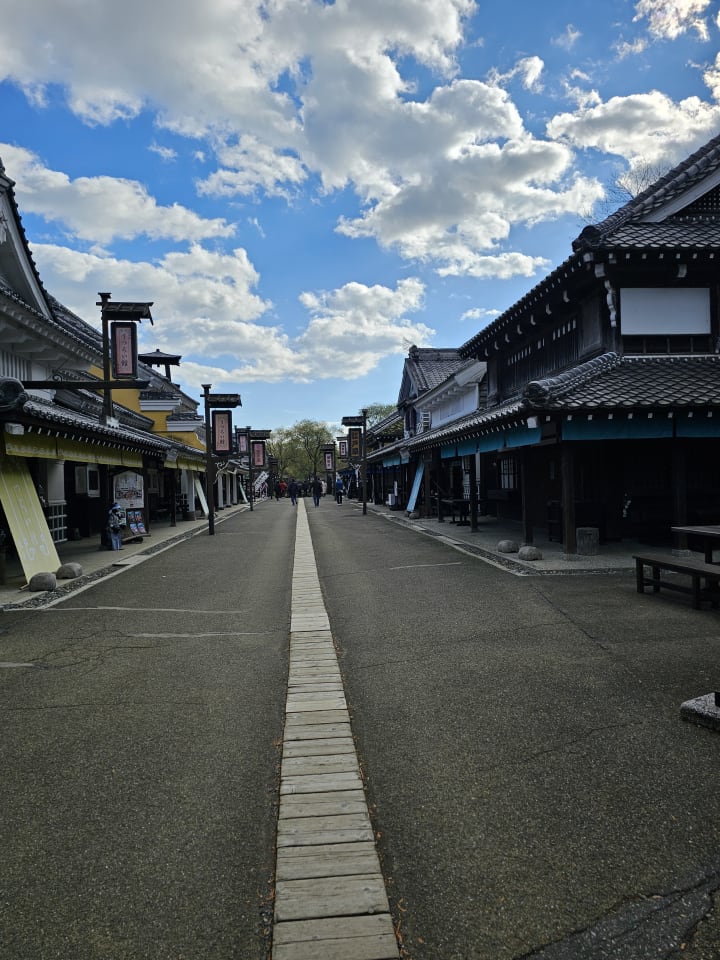
As soon as we entered, we were greeted by a ninja performer, setting the tone for the entire visit. Throughout the park, actors play various historical roles, from wandering samurai to groups of women dressed in traditional attire, making it feel as though we had stepped into another era.
The park itself is a charming recreation of a traditional Japanese town. We strolled through its streets, picking up trinkets and watching a skilled archer hit the bullseye with three consecutive shots—an impressive display of precision. As the clock ticked, we hurried to catch the first of three performances: the samurai show.
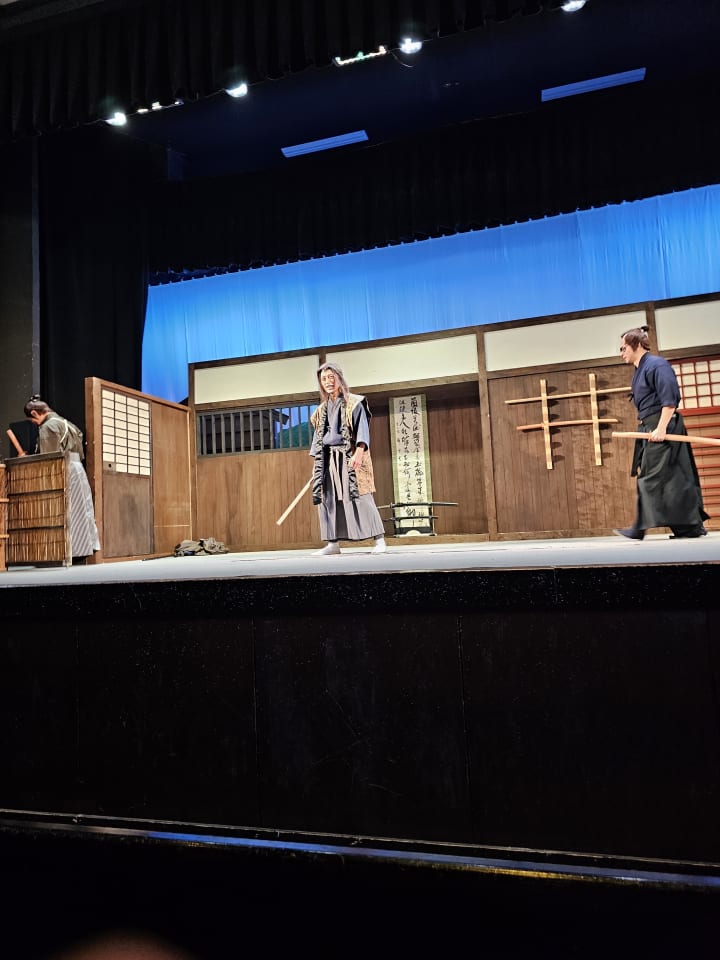
This short but engaging performance featured a tale about an old man and his two disciples, with a mysterious figure lurking in the background. Though the storyline was simple, the use of lighting during the samurai battles, creating a slow-motion effect, added an exciting visual element to the show. It lasted around 20 minutes and was a fun, immersive introduction to the park’s theme.
Next, we made our way to the ninja performance, a definite highlight of the day. The action was fast-paced and well-choreographed, showcasing the performers' skills and leaving a lasting impression. Unfortunately, timing worked against us for the third performance, which focused on traditional Japanese culture, and we missed it. However, we have no doubt it would have been equally memorable.
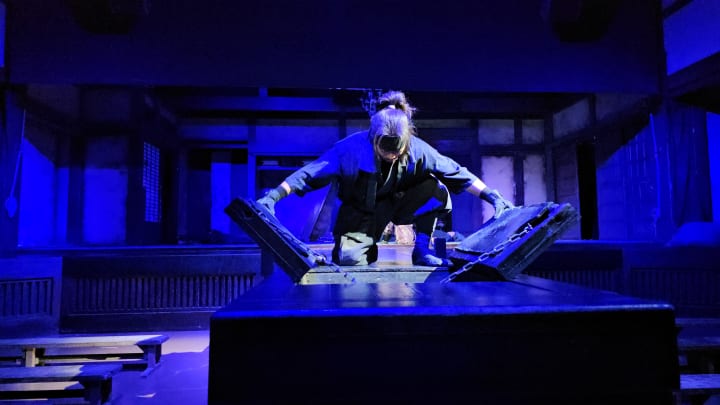
After enjoying the performances and soaking in the picturesque surroundings, we bought a few more trinkets before heading back up the mountain to continue our adventure.
Noboribetsu Onsen: A Serene Retreat with a Steamy Heart
At the heart of Noboribetsu Onsen lies its renowned hot springs. Each hotel in the town taps into the mineral-rich waters that flow from the nearby geothermal sources, offering guests the chance to unwind in large, steamy baths. The hotel we stayed at, though one of the more affordable options, still provided a truly memorable experience with an expansive bath overlooking the vibrant autumn mountains. Despite the initial awkwardness of bathing in the nude, a traditional practice in Japanese onsens, the experience was unforgettable.
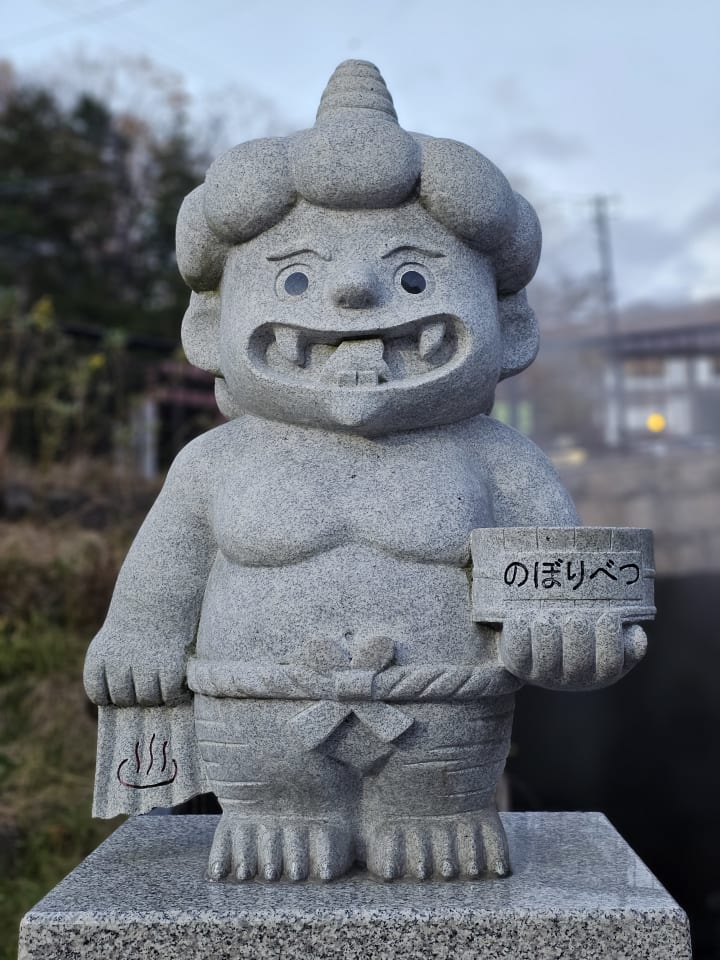
For those who prefer privacy, many hotels offer private onsen rooms, though these come at a premium price. However, if you want to embrace the full onsen experience, be prepared to bare it all. Clothes, including swimming trunks, are strictly prohibited in the bathing area. A small towel is provided, but it is not meant to touch the water; traditionally, it is placed on your head or draped around your neck as you step into the hot springs.
After your soak, you can dry off and slip into a complimentary yukata, a traditional Japanese garment perfect for relaxing after a bath.
While the onsens are undoubtedly the highlight, Noboribetsu Onsen also offers a variety of experiences. The town boasts delicious local cuisine, charming shrines, and scenic spots, though it can get quite busy, especially during peak seasons. The weather can also be extremely cold, so it’s wise to plan your visit and timing carefully.
Conclusion
By now, I’m sure you’re eager to visit Noboribetsu Onsen—but you might be wondering when to go or how to plan your trip. Let me share some tips I picked up during my visit.
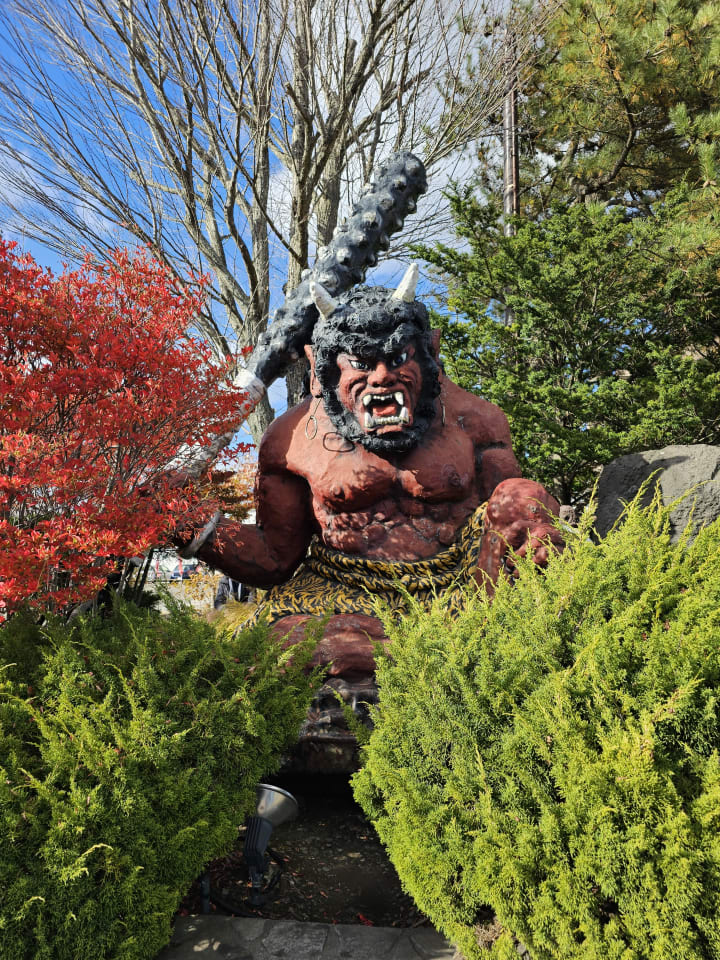
When to go: I personally visited in late autumn (November), and it was the perfect time. The autumn leaves created a stunning contrast against the mountains, and the weather was comfortably cool—not too hot, not too cold. It’s a nice middle ground between the hot, humid summer and the freezing winter. While you’ll need to bundle up, it’s more than manageable, especially since the town is elevated.
Winter also seems like a fantastic time to visit, although it comes with its challenges. Hokkaido is famous for heavy snowfall and low temperatures, particularly in mountainous areas like Noboribetsu. If you choose winter, be prepared for potential delays or cancellations, and make sure to pack adequate clothing. The good news is that Japan is well-prepared to handle snow, so while the cold might be harsh, it shouldn’t ruin your trip as long as you’re properly prepared.
Spring, with Japan’s iconic cherry blossoms, is another great season to visit. While the sakura blossoms will be a breathtaking sight, you might find that Hell Valley’s steam isn’t as intense in spring. The geothermal vents release steam more dramatically in the cold weather, so you might miss that striking contrast if you visit later in the season. Still, the beauty of spring makes it a lovely time to visit.
Summer, on the other hand, is not ideal for a trip to Japan in general. The hot and humid conditions, often reaching 30°C (86°F) or higher, can make for an uncomfortable visit—especially in the mountains.
How to get there: Noboribetsu Onsen is easily accessible by bus from Noboribetsu Station. The ride is straightforward, with only a few brief stops. Just be sure to have exact change or a Suica/IC card ready. While some buses may accept credit cards, be aware that some in Japan only accept Visa or American Express —MasterCard are less commonly accepted however change is an easy alternative.
In summary, Noboribetsu Onsen is a magical destination that will leave you with unforgettable memories. And one last tip: for those visiting in autumn or winter, wake up early to catch the valley in its quiet, serene beauty before the crowds arrive. It’s well worth the early start!
About the Creator
Keep reading
More stories from writers in Journal and other communities.
Comparing Franchise Ownership and Independent Schools: What Investors Need to Know
Education is increasingly viewed as a resilient investment, particularly in early learning and childcare. Demand for high-quality schools has remained strong across economic cycles. For investors, this creates an opportunity to combine financial returns with measurable impact.
By Diandra Hake5 days ago in Journal
Time to change your life.
Is it even possible for you to change your life? A lot of people, more than there should be, are unhappy with their lives. But what are they doing about it? Usually nothing. People talk about how shitty their lives are and want change, but are they not taking the actions to change?
By Jen Phillipsa day ago in Humans



Comments
There are no comments for this story
Be the first to respond and start the conversation.