
How Renewable Energy is Transforming Zambia’s Rural Communities
Renewable Energy
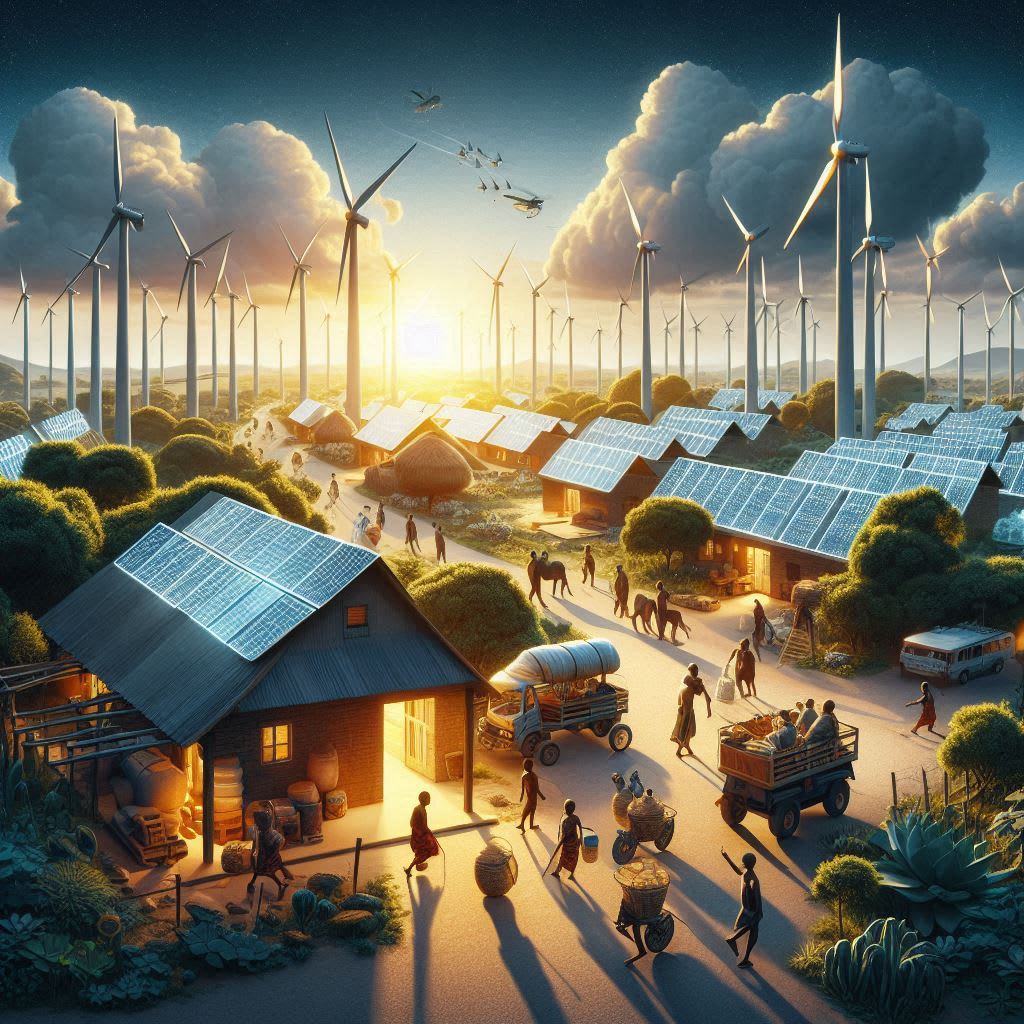
In recent years, Zambia has made significant strides in embracing renewable energy as a sustainable solution to its power needs, especially in rural areas. Over 60% of Zambia’s population lives in rural communities, where access to the national power grid is limited or non-existent. Renewable energy is bridging this gap, offering these communities a reliable, sustainable, and cost-effective alternative to traditional energy sources. Here’s a closer look at how renewable energy is transforming Zambia’s rural areas, empowering local economies, and enhancing the quality of life.
1. Expanding Access to Clean Electricity
Historically, the lack of access to electricity in rural Zambia has hindered development. Renewable energy sources, particularly solar power, have become a game-changer in bringing electricity to remote communities. Solar mini-grids and off-grid solar home systems provide reliable power to homes, schools, and healthcare centers, helping reduce the reliance on costly and environmentally damaging alternatives like kerosene lamps and diesel generators.
The affordability of solar energy has also contributed to its popularity. By partnering with non-profits and international organizations, Zambia’s government and local energy companies are creating programs to make renewable energy solutions accessible and affordable. These efforts allow rural households to invest in solar home systems without high upfront costs, often through payment plans or subsidies.
2. Supporting Small Businesses and Local Economies
The introduction of renewable energy has spurred economic growth in Zambia’s rural areas by empowering small businesses. In places where the electricity grid does not reach, many business owners rely on renewable sources, mainly solar energy, to power their enterprises. Grocery stores, barbershops, and phone-charging stations now operate more efficiently, extending their hours and improving profitability.
Access to reliable energy also enables small farmers to adopt modern agricultural practices, such as using solar-powered irrigation systems, which help increase crop yields. By enabling farmers to work more productively and maintain year-round operations, renewable energy solutions are helping drive food security and economic stability in these rural communities.
3. Improving Healthcare and Education
Healthcare and education in rural Zambia have often been severely impacted by a lack of electricity. Medical facilities without power face challenges in storing vaccines, operating essential equipment, and providing night-time emergency services. Solar energy has brought crucial improvements to these healthcare centers, enabling better storage of medicines, lighting for nighttime operations, and powering medical devices, all of which enhance patient care.
In education, renewable energy enables schools to use digital tools, improving learning opportunities and resources. Schools with access to electricity can use computers, lighting, and other electronic devices, which is especially beneficial for evening study sessions. The positive impact of energy access on healthcare and education directly supports long-term community development.
4. Promoting Environmental Sustainability
Zambia has a wealth of natural resources, but its reliance on hydropower, vulnerable to droughts and changing rainfall patterns, has raised concerns about the sustainability of its energy infrastructure. Renewable energy sources like solar and wind power are more resilient to climate variability, offering a sustainable and reliable energy supply for rural areas.
By shifting to renewable energy, Zambia is also reducing its carbon footprint and mitigating the harmful effects of climate change. With solar energy replacing diesel generators and other polluting sources, communities are helping improve air quality and reduce greenhouse gas emissions. In the long run, this transition contributes to global climate goals while preserving Zambia’s beautiful natural landscapes.
5. Enhancing Women’s Empowerment and Social Equality
In many rural communities, women and girls bear the brunt of energy poverty, as they often spend hours collecting firewood or managing household chores under limited lighting. Renewable energy frees up their time and provides opportunities for education and economic participation. Solar lighting allows girls to study at night, improving their chances for academic success. Access to energy also enables women to pursue small businesses and other income-generating activities, supporting their financial independence.
Programs that provide training in solar energy installation and maintenance are also empowering women by giving them skills for employment in the renewable energy sector, creating a path toward greater gender equality in traditionally male-dominated industries.
Challenges and the Way Forward
While renewable energy has brought numerous benefits, scaling up access remains a challenge. Many rural areas still lack adequate infrastructure, and financing models need to be expanded to reach more households affordably. Government policies that incentivize private sector investment in renewable energy are essential for sustaining this growth and ensuring long-term energy access.
Local community engagement also plays a vital role in the adoption of renewable energy. Programs that educate residents about the benefits and maintenance of renewable systems can help boost acceptance and longevity of these solutions. By working together, Zambia’s government, NGOs, and private companies can ensure renewable energy reaches every corner of the country.
Conclusion
Renewable energy is more than a technological innovation for Zambia’s rural communities; it’s a lifeline that supports economic growth, enhances social equality, and promotes environmental sustainability. As the country continues to adopt clean energy solutions, it paves the way for a brighter, more resilient future. Zambia’s journey with renewable energy in rural communities is a testament to the transformative power of sustainable technology, bringing light, hope, and opportunity to places once left in the dark.
About the Creator
Mutale Ngoma
Passionate about politics and staying informed on global events. I enjoy discussing current affairs, exploring different perspectives, and staying updated on the latest news shaping the world.
Keep reading
More stories from Mutale Ngoma and writers in Journal and other communities.



Comments
There are no comments for this story
Be the first to respond and start the conversation.