
5 Ways to Get Internet Access in Germany for Tourists
Finding the Right Data Plan for Your Trip
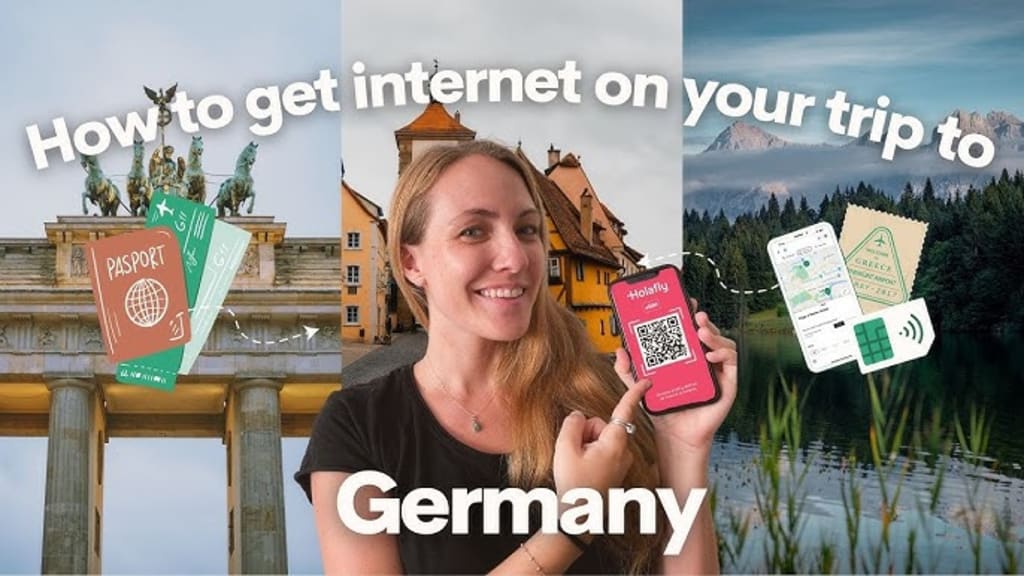
Staying connected while traveling in Germany is essential for navigating, translating, accessing information, and staying in touch with friends and family. This guide outlines the various ways to get internet access in Germany, catering specifically to the needs of tourists. We'll cover eSIMs, traditional SIM cards, free Wi-Fi hotspots, portable Wi-Fi routers, and international roaming, helping you choose the best option for your trip.
I. Internet Options for Tourists in Germany:
Several options cater to different needs and budgets. Here's a breakdown of the most common ways to stay connected:
eSIM: A digital SIM that's downloaded directly to your compatible device.
Physical SIM Card: A traditional SIM card purchased in Germany.
International Roaming: Using your home country's data plan in Germany.
Free Wi-Fi: Utilizing free Wi-Fi hotspots available in various locations.
Portable Wi-Fi Hotspot: Renting or buying a portable device that creates a personal Wi-Fi network.
II. Connecting to the Internet in Germany: A Detailed Look
Now, let's delve deeper into each of these options:
eSIM: The Convenient Choice
eSIM in Germany are rapidly gaining popularity, offering a convenient and flexible way to stay connected. They eliminate the need for a physical SIM card and allow you to switch between providers easily. Several international providers offer eSIM plans specifically designed for travelers, which can often be more cost-effective than roaming. However, ensure your device is eSIM compatible before relying on this option. While convenient, eSIMs might not always offer the best local deals compared to a local SIM card.
Physical SIM Card: Local Connectivity
For travelers seeking the best value, especially for longer stays, purchasing a local SIM card upon arrival is a great option. Providers like Telekom, Vodafone, and O2 offer prepaid SIM cards with varying data allowances and validity periods. These are readily available at airports, train stations, supermarkets, and mobile phone stores. Remember to bring your passport or ID for registration. This option provides competitive local rates and excellent coverage but requires a compatible, unlocked device and a bit of setup time.
International Roaming: Simplicity at a Cost
The easiest option is using your existing mobile plan through international roaming Germany. However, this convenience often comes at a steep price. Be sure to check with your home provider for roaming rates and available packages before your trip to avoid any surprises. While roaming requires no setup, the high cost often makes it unsuitable for extended stays or heavy data users.
Free Wi-Fi: Limited but Useful
Germany offers numerous free Wi-Fi hotspots in cafes, restaurants, hotels, and some public areas. This is a handy option for quickly checking emails or light browsing. However, free Wi-Fi can be unreliable, slow, and potentially pose security risks. It's a good supplementary option but shouldn't be your primary internet source, especially if you need consistent and secure access.
Portable Wi-Fi Hotspot: Your Personal Network
Portable Wi-Fi hotspots create a private network that multiple devices can connect to, making them ideal for group travel. You can rent these devices at airports or online. This option provides flexibility and can be cost-effective for sharing, but it requires carrying an extra device and keeping it charged. Battery life can also be a factor, especially with heavy usage.
III. eSIM vs. Other Options: A Quick Comparison
eSIMs offer high convenience and medium cost, with medium to high data speeds. Their availability is growing rapidly, and they provide high security. Physical SIM cards offer medium convenience, low cost, and high data speeds with wide availability and high security. Roaming is highly convenient but expensive, with medium to high data speeds and wide availability but medium to high security concerns. Free Wi-Fi has medium convenience and low cost, but low to medium data speeds, limited availability, and low security. Portable Wi-Fi hotspots offer medium convenience and cost, medium to high data speeds, medium availability, and high security.
Staying connected in Germany is key to a smooth and enjoyable trip. The best internet option depends on your individual needs and budget. eSIMs offer convenience and flexibility, local SIM cards provide the best value, roaming is the easiest but most expensive, free Wi-Fi is a useful supplement, and portable Wi-Fi hotspots cater to group travel. By weighing the pros and cons of each option, you can make an informed decision and stay connected throughout your German adventure. Don't forget to research specific providers and plans to find the best deals and ensure compatibility with your devices.
About the Creator
The goals I did not achieve
Every writing goal I made for the year is a wash. It has been this way for a while, but I think it's important to be open about my failures and the reality of how life can get in the way. This is especially true considering the several times I have posted on Vocal about my writing goals, how I was changing my approach, and where I was hoping to be for the upcoming year. I will probably do that again in a couple months, but for now, it is time to acknowledge where I am today.
By Kay Husnick23 days ago in Journal
How to Power an RV Using a Portable Solar Panel
Traveling in an RV is all about freedom freedom to explore remote places, stay off-grid, and enjoy nature without giving up basic comforts. One of the easiest and most eco‑friendly ways to achieve this independence is by using a portable solar panel for RV power needs. Whether you are a weekend camper or a full‑time RVer, portable solar can keep your lights on, devices charged, and appliances running without relying on noisy generators.
By Lyra Winslow4 days ago in Journal


Comments
There are no comments for this story
Be the first to respond and start the conversation.