
Should You Choose eSIM or Physical SIM for Travel?
Choosing the Best Option for Seamless Communication
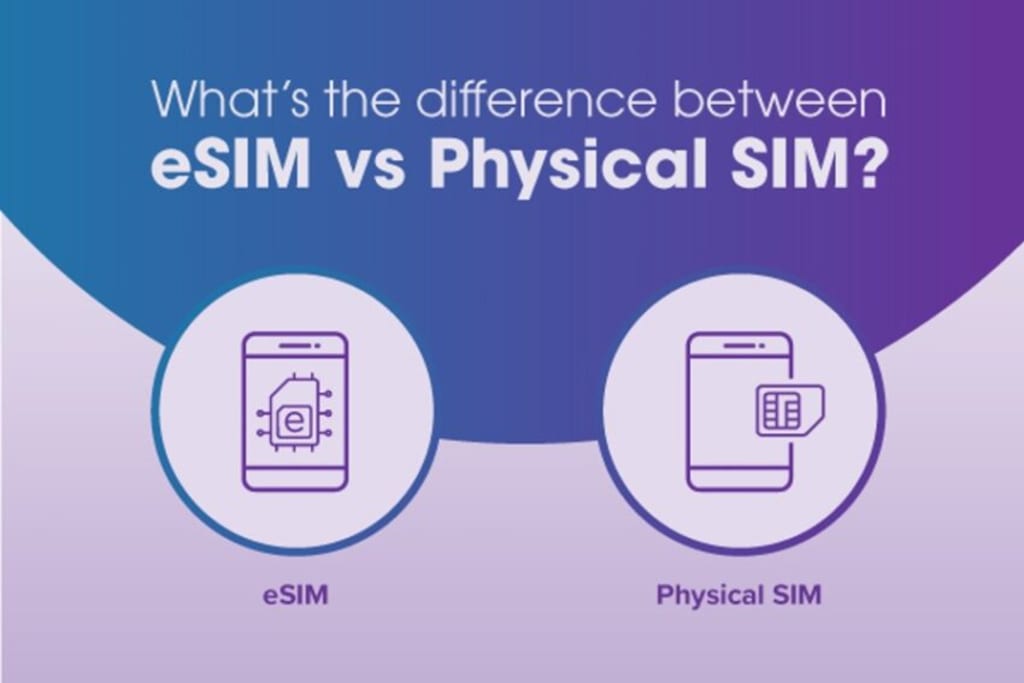
In today's hyper-connected world, staying online while traveling internationally isn't just a convenience—it's often a necessity. From navigating unfamiliar streets with GPS maps and translating foreign languages to booking last-minute accommodations and staying in touch with loved ones back home, a reliable data connection is paramount. For the modern traveler, two primary options exist for maintaining connectivity abroad: the traditional physical SIM card and the increasingly popular eSIM. This comprehensive guide delves into the nuances of each option, exploring their respective advantages and disadvantages, comparing their features side-by-side, and ultimately empowering you to make the best decision for your next international adventure.
I. eSIM: A Deep Dive into the Digital Solution
Advantages:
Unparalleled Convenience: The eSIM's greatest strength lies in its unparalleled convenience. Purchasing and activating an eSIM is entirely digital, accomplished from anywhere in the world with an internet connection. This eliminates the need to physically locate a store, potentially wait in long lines, or deal with the uncertainties of shipping. Imagine arriving in a new country late at night after a long flight – with an eSIM, you can be connected and ready to explore before you even leave the airport.
Multiple Profiles & Seamless Switching: eSIM technology allows you to store multiple profiles on a single device, effectively holding various network operator plans simultaneously. This feature is a game-changer for frequent international travelers, enabling seamless switching between different carriers and data plans without the need to physically swap SIM cards. Transitioning between countries and their respective networks becomes effortless.
Dual SIM Functionality: The Best of Both Worlds: eSIMs empower you to utilize dual SIM functionality, allowing you to maintain your existing phone number for calls and texts while simultaneously using a local eSIM for data. This means you remain accessible to contacts back home while enjoying the cost-effectiveness of local data rates, avoiding exorbitant roaming charges.
Space-Saving Design: A Glimpse into the Future: The digital nature of eSIMs frees up the physical SIM card slot on your device. This is particularly advantageous for dual-SIM phones, allowing you to use a local physical SIM card in conjunction with your eSIM for even greater flexibility. Furthermore, this space-saving design aligns with the trend towards increasingly compact and streamlined devices, anticipating a future where physical SIM card slots may become obsolete.
Environmentally Conscious Choice: By eliminating the need for physical SIM cards, their plastic carriers, and associated packaging, eSIMs contribute to a smaller environmental footprint. Choosing an eSIM is a conscious step towards more sustainable travel practices, reducing plastic waste and promoting a greener approach to global connectivity.
Disadvantages:
Device Compatibility: A Growing Ecosystem: While eSIM technology is rapidly gaining traction, it's essential to acknowledge that not all devices are eSIM compatible. Older phone models and some budget-friendly devices may lack the necessary hardware. Before relying solely on an eSIM for your travels, carefully check your device's specifications to ensure compatibility.
Carrier Availability: Expanding but Not Universal: Although eSIM adoption is increasing at a steady pace, it's not yet a universal standard. Some smaller or regional carriers in certain countries may not offer eSIM plans. Thorough research into carrier availability at your intended destination is crucial before your departure to avoid connectivity surprises.
Transferring to a New Device: Navigating the Process: Transferring an eSIM to a new device can sometimes be more complex than the simple act of swapping a physical SIM card. The process typically involves contacting your carrier and following a specific digital transfer procedure, which can occasionally be time-consuming.
Troubleshooting: Potential Complexities: Troubleshooting eSIM-related issues can sometimes present more challenges than troubleshooting physical SIM card problems. Resolving eSIM issues may require a deeper understanding of the technology or necessitate contacting customer support for assistance.
II. Physical SIM: Exploring the Traditional Option
Advantages:
Wide Global Availability: A Reliable Standby: Physical SIM cards benefit from near-universal availability across the globe. Even in less technologically advanced regions or countries with limited digital infrastructure, you're highly likely to find a physical SIM card readily available for purchase. This makes them a reliable standby for travelers venturing off the beaten path.
Extensive Device Compatibility: A Universal Fit: The vast majority of mobile phones, including older models, are equipped with SIM card slots, ensuring compatibility with physical SIM cards. This widespread compatibility makes physical SIMs a dependable option for travelers using a wide range of devices.
Easy Swapping Process: Simplicity at its Finest: Swapping physical SIM cards is a straightforward process, requiring minimal technical expertise. Simply remove the old SIM card and insert the new one – a quick and easy solution for switching between different networks or devices.
Simplified Troubleshooting: Easy Fixes: Troubleshooting physical SIM card issues is often straightforward. Common problems can frequently be resolved by simply reseating the card, trying a different SIM slot, or visually inspecting the card for damage.
Disadvantages:
Inconvenience of Acquisition: A Potential Hassle: Acquiring a physical SIM card requires physically visiting a store, which can be inconvenient, especially upon arrival in a new country after a long and tiring journey. Locating a store, potentially waiting in line, and completing the purchase process can consume valuable time and energy.
Limited to One SIM (in some devices): A Constraint on Flexibility: Many devices are equipped with only a single SIM card slot, limiting your ability to use multiple numbers simultaneously. While dual-SIM phones are becoming more prevalent, they are not yet as ubiquitous as single-SIM devices.
Risk of Loss or Damage: A Small but Significant Risk: Physical SIM cards are small and susceptible to loss or damage. Misplacing or damaging your SIM card while traveling can be a significant inconvenience, potentially disrupting your communication and access to essential services.
Potential Shipping Delays: A Waiting Game: If you choose to order a physical SIM card online, you may encounter shipping delays, which can be problematic if you require a SIM card urgently upon arrival at your destination.
While physical SIMs are still relevant due to their wide availability and compatibility, eSIMs offer a more convenient and flexible solution for international travel. With eSIMs, you can easily stay connected wherever your travels take you. Need data in Spain? Get an eSIM from a provider like Gigago at https://gigago.com/esim/spain/. Traveling throughout the EU? An EU-wide eSIM might be the perfect solution. The ability to purchase and activate from anywhere, manage multiple profiles, and enable dual SIM functionality outweighs the limitations of device compatibility for most travelers. As eSIM technology becomes more widely adopted, it will likely become the dominant standard, especially for frequent travelers. If your device supports it and it's available in your destination, choose an eSIM for your next trip.
About the Creator
The goals I did not achieve
Every writing goal I made for the year is a wash. It has been this way for a while, but I think it's important to be open about my failures and the reality of how life can get in the way. This is especially true considering the several times I have posted on Vocal about my writing goals, how I was changing my approach, and where I was hoping to be for the upcoming year. I will probably do that again in a couple months, but for now, it is time to acknowledge where I am today.
By Kay Husnick23 days ago in Journal
The Future of Work in the Age of AI
AI changed the workforce faster than any other technology. Artificial intelligence has become such a big part of our daily lives that most of us don’t even realize it. But what happens when AI comes into your work? Companies are investing in AI right now because it’s cheap to operate and runs nonstop.
By Mark Arthur45 minutes ago in Journal




Comments
There are no comments for this story
Be the first to respond and start the conversation.