
13 Essential Diving Gear: The Complete List for Scuba Diving Beginners (2025)
13 Essential Diving Gear: The Complete List for Scuba Diving Beginners (2025)
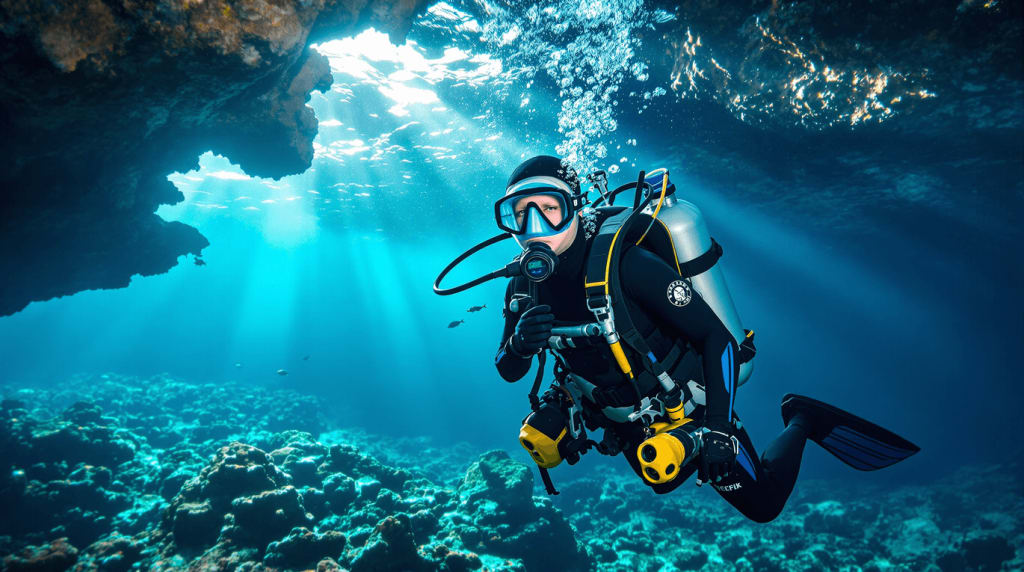
Diving Mask
The first step in discovering the underwater world, the diving mask is the basic equipment that provides clarity of vision and protects the eyes from water. Choosing the right mask significantly affects the diving experience.
Mask Selection Criteria
When choosing a quality diving mask, it is important to make sure that it is made of durable materials such as silicone and unbreakable glass. It is vital that the mask fits perfectly on the face and does not leak water. The nose guard or nose pocket should provide flexibility to equalize during use.
The choice of mask skirt color is also an important criterion. Transparent mask skirts allow more light to enter, while black skirts reduce glare and prevent distraction caused by movements in the environment. In addition, black skirts do not show dirt and look cleaner for a longer time.
Correct Mask Use
For correct use of the mask, it should first be checked whether the straps create a vacuum when the mask is pressed against the face without being attached to the head. It should be tested whether the mask stays in place by breathing through the nose. The mask should be kept on for a few minutes to understand whether it is comfortable.
Mask Care and Cleaning
After diving, it is important to wash the mask with warm fresh water to remove salt and dry it completely. It is necessary to store the mask loosely and not to expose it to direct sunlight. Avoiding contact with alcohol, oil, gasoline and chemical solvents will extend the life of the mask.
Cleaning the mask with toothpaste before diving is an effective method to prevent fogging. In addition, special anti-fog sprays or gels can be used to prevent fogging during diving.
Mask Price Ranges
Diving masks are available in a wide price range with different features and qualities. It is possible to encounter prices ranging from 100 TL to 3,000 TL, from basic models to professional models. The priority in price selection should be the fit and quality of the mask. Buying a second-hand mask can also be an economical option, but it is important to test it beforehand.
A snorkel, which is an indispensable equipment for underwater exploration, is a special breathing tube that allows breathing on the surface of the water. Choosing and using the right snorkel significantly affects the diving experience.
Snorkel Types
Snorkels are basically produced in two main categories. Classic snorkels with L or J shapes stand out with their simple structures and affordable prices. However, when water enters these models, water directly reaches the mouthpiece.
Snorkels with discharge valves have a more advanced structure. In these models, the water that enters accumulates and is discharged thanks to the special valve located at the bottom of the snorkel mouthpiece. Thus, a clean airway is provided.
Bellows (grooved) snorkels are designed especially for scuba diving. Thanks to their flexible structure, they adapt better to the face shape and offer comfort of use.
Things to Consider When Choosing a Snorkel
When choosing a quality snorkel, it is important that it has a structure that provides healthy breathing. The mouthpiece should be made of soft silicone and its fit to the palate should be checked.
The length and diameter of the snorkel should be in accordance with international standards. Especially in exploratory dives, a double discharge valve and a 360-degree rotating wave breaker feature should be preferred.
Snorkel Usage Techniques
Correct breathing technique is of great importance in snorkel use. First, the snorkel should be placed in the mouth and a good seal should be ensured. Then, the face should be slowly lowered into the water while care should be taken to keep the tip of the snorkel above the water surface.
In order to breathe comfortably in a horizontal position on the water surface, breathing should be switched to snorkel. Using a snorkel while moving on the surface in scuba diving allows the air in the regulator to be used economically.
The snorkel should be worn on the left side because the second stage of the regulator comes from the right side. It is attached to the outside of the mask strap with a buckle and the strap is tied without tensioning.
Rinsing the snorkel with fresh water and drying it properly after use extends the life of the equipment. Chlorine-containing cleaners and abrasive chemicals should not be used.
Diving fins, one of the most critical equipment for successful performance in underwater hunting, provide maximum efficiency when selected and used correctly. The hydrodynamic properties and material quality of the fin directly affect the diver's movements under water.
Fin Types
Diving fins are primarily produced in three main categories according to their material types. Carbon fiber fins are in the upper segment and offer the highest performance. Then comes fiberglass fins and are positioned as the middle segment. Thermoplastic fins are in the lower segment.
There are two different designs: interchangeable and fixed blade. While models with interchangeable blades offer flexibility to adapt to different diving conditions, fixed blade models are a more economical option.
Choosing the Right Fins
First of all, the compatibility factor should be considered when choosing fins.
About the Creator
Keep reading
More stories from writers in Journal and other communities.




Comments (1)
What a great list! I’ll go scuba diving today and get all the gear!