
10 Money-Saving Tips To Extend The Life Of Your Car
Car Maintenance

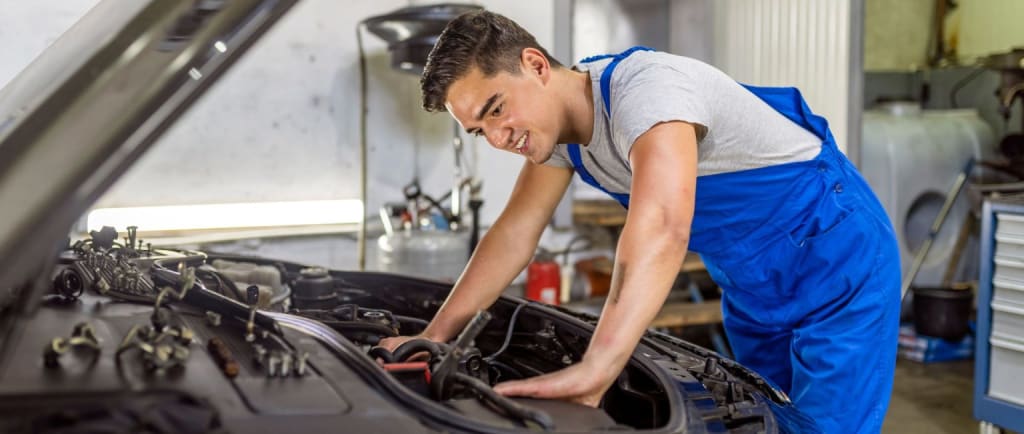
Owning a car can be a significant investment, and extending its life can save you a substantial amount of money. With the right maintenance and care, you can keep your car running smoothly for many years, reducing the need for expensive car repairs or premature replacements. Here are ten money-saving tips to help you extend the life of your car.
1. Follow the Manufacturer’s Maintenance Schedule
One of the most important steps to extend the life of your car is to follow the manufacturer’s recommended maintenance schedule. This schedule is designed to keep your vehicle in optimal condition by addressing common wear and tear at appropriate intervals. Regular oil changes, tire rotations, and brake inspections are just a few of the routine tasks that can prevent major issues down the line. Keep a log of all maintenance activities. This not only helps you stay on track but also increases the resale value of your car by providing proof of consistent maintenance.
2. Regularly Check and Change the Oil
Oil is the lifeblood of your car’s engine, lubricating the moving parts and preventing overheating. Over time, oil breaks down and loses its effectiveness, which can lead to increased engine wear and potential failure. Regularly checking and changing your oil ensures that your engine runs smoothly and efficiently. Use the type of oil recommended by your car’s manufacturer. High-quality synthetic oils can provide better protection and longer intervals between changes. Car Oil Change
3. Keep Your Tires Properly Inflated
Proper tire inflation is crucial for the safety and efficiency of your vehicle. Underinflated tires can lead to poor fuel economy, uneven tire wear, and even blowouts. Conversely, overinflated tires can cause reduced traction and a harsher ride. Regularly checking your tire pressure and keeping it at the recommended level can extend the life of your tires and improve your car’s overall performance. Check tire pressure at least once a month and before long trips. Don’t forget to inspect the spare tire as well. Car AC Services
4. Rotate Your Tires
Rotating your tires is another essential practice to ensure even tire wear. Tires wear differently depending on their position on the vehicle. Regular rotation helps to balance out this wear, extending the life of your tires and improving your car’s handling. Rotate your tires every 6,000 to 8,000 miles, or as recommended in your owner’s manual. This can often be done during oil changes for added convenience.
5. Maintain Your Brakes
Your car’s braking system is critical for safety, and maintaining it properly can prevent costly repairs. Regularly inspect your brakes for signs of wear, such as squeaking or grinding noises, reduced responsiveness, or a soft brake pedal. Addressing these issues promptly can prevent more severe damage and ensure your brakes function correctly. Have your brakes inspected at least once a year or every 12,000 miles. Replace brake pads before they wear down completely to avoid damaging the rotors. Car Brake Repair
6. Check and Replace Fluids
Your car relies on various fluids to operate efficiently, including coolant, transmission fluid, brake fluid, and power steering fluid. Regularly checking these fluids and replacing them as needed can prevent overheating, transmission issues, and other mechanical problems. Check fluid levels at least every six months and top them off as necessary. Refer to your owner’s manual for the recommended replacement intervals for each fluid type.
7. Keep Your Car Clean
Keeping your car clean, both inside and out, can help preserve its condition and prevent rust and corrosion. Dirt, salt, and other contaminants can cause damage to your car’s paint and undercarriage, leading to costly repairs. Wash your car regularly, especially after driving on salted roads during winter. Waxing your car every few months can provide an additional layer of protection against the elements. Car Engine Repair
8. Drive Smoothly
Your driving habits have a significant impact on your car’s longevity. Aggressive driving, such as rapid acceleration, hard braking, and high-speed driving, can cause excessive wear on your engine, brakes, and transmission. By driving smoothly and avoiding sudden maneuvers, you can reduce stress on your vehicle and extend its life. Practice gradual acceleration and deceleration. Anticipate stops and coast to a halt whenever possible to minimize wear on your brakes and transmission.
9. Use High-Quality Parts and Fluids
When it comes to replacement parts and fluids, quality matters. Using cheap, low-quality parts can lead to premature failure and additional repairs. Investing in high-quality, OEM (Original Equipment Manufacturer) parts and recommended fluids can improve your car’s performance and longevity. Always ask your mechanic to use OEM parts for replacements. While they may cost more upfront, they can save you money in the long run by lasting longer and performing better.
10. Regularly Inspect Belts and Hoses
Belts and hoses are essential components of your car’s engine, cooling, and power steering systems. Over time, they can become brittle, crack, or leak, leading to engine overheating, loss of power steering, and other issues. Regularly inspecting and replacing worn belts and hoses can prevent these problems and keep your car running smoothly. Inspect belts and hoses every six months or as recommended in your owner’s manual. Replace them if you notice any signs of wear, such as cracks, fraying, or leaks. Car Belt Replacement
Additional Tips for Car Care Enthusiasts
For those who want to go the extra mile in car maintenance, here are a few additional tips:
1. Monitor Battery Health: A healthy battery is crucial for starting your car and running electrical systems. Check the terminals for corrosion and ensure a secure connection. If your battery is over three years old, test it annually.
2. Protect Your Car from the Elements: Whenever possible, park in a garage or under a carport to shield yourself from sun, rain, and snow. A car cover can also help if indoor parking isn’t available.
3. Pay Attention to Warning Lights: Modern cars have various warning lights for potential issues. Don’t ignore them. Address any lit warnings promptly to prevent minor problems from becoming major repairs.
4. Use Fuel Additives: High-quality fuel additives can keep your fuel system clean and improve engine performance. Look for additives that clean injectors, reduce carbon buildup, and improve fuel economy.
5. Stay Informed: Keep up with car maintenance tips by reading automotive blogs, joining car forums, and attending local workshops.
By integrating these additional practices into your car care routine, you can further enhance the longevity and reliability of your vehicle. Regular attention to your car’s needs ensures it remains a dependable mode of transportation for years to come.
The Environmental Benefits of Car Maintenance
Regular car maintenance doesn’t just benefit your wallet and your vehicle; it also has positive environmental impacts. A well-maintained car runs more efficiently, producing fewer emissions and reducing its carbon footprint. Here’s how proper car care contributes to a greener planet:
● Improved Fuel Efficiency: Regular tasks like oil changes, air filter replacements, and tire maintenance keep your car running efficiently, using less fuel and cutting emissions.
● Reduced Emissions: A well-maintained engine and exhaust system produce fewer harmful emissions. Keeping these systems in good shape minimizes environmental impact.
● Less Waste: Extending your car’s life means fewer cars in landfills and reduces the demand for new cars and resources.
● Conservation of Resources: Regular maintenance prevents major breakdowns and extensive repairs, conserving resources and reducing waste.
Taking care of your car is an investment in its longevity and your financial health. By following these ten money-saving tips and best practices, you can extend your car's life, reduce repair costs, and support a healthier environment. Regular maintenance and mindful driving habits will ensure your car remains reliable for years to come.
Maintaining your car doesn’t have to be complicated or costly. By following these ten tips, you can keep your vehicle in peak condition, avoid expensive repairs, and enjoy a reliable ride for many years. Regular maintenance, careful driving, and using quality parts and fluids are crucial to maximizing your investment. A well-maintained car saves you money and provides peace of mind on the road.
About the Creator
Nitesh Prasad
Nitesh Prasad: Freelance SEO Expert & blogger with 10+ years of experience helping businesses boost online visibility. Proven track record in driving organic growth. #SEO #Blogger #SEOFreelancer
Keep reading
More stories from Nitesh Prasad and writers in Journal and other communities.
Who Needs Private Security? A Guide to Assessing Your Risk
Security is a growing concern today, where crime rates, cyber threats, and personal safety risks continue to rise. While government law enforcement agencies play a vital role in maintaining order, they often cannot provide round-the-clock protection for individuals, businesses, and high-risk entities. This is where private security comes into play. But who needs private security? Is it a necessity or a luxury?
By Nitesh Prasad11 months ago in Journal
Florida Business Insurance Requirements
Running a business in Florida means operating in one of the most dynamic—and complex—risk environments in the country. Between climate exposure, legal requirements, contractual obligations, and industry-specific risks, insurance is not just a formality. It is a structural component of how a business survives disruptions, disputes, and unexpected losses.
By American US Insurancea day ago in Journal




Comments
There are no comments for this story
Be the first to respond and start the conversation.