
Sovereign Wealth Funds and National Security: The Impact of Trump’s Executive Order
USA

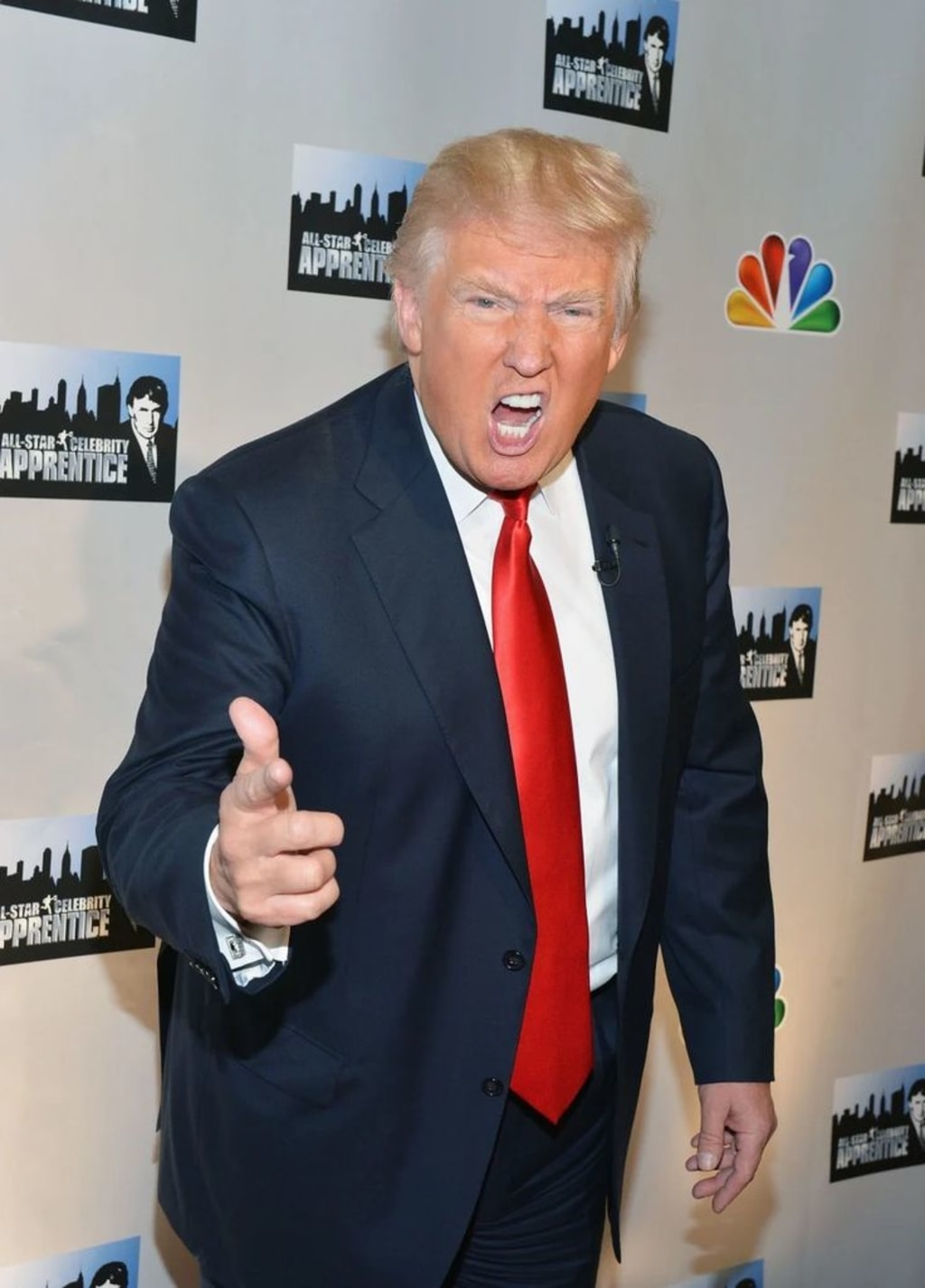
Sovereign Wealth Funds and National Security: The Impact of Trump’s Executive Order
A Sovereign Wealth Fund (SWF) is a state-owned investment fund or entity that manages a country's excess reserves, typically derived from revenues generated by natural resources, trade surpluses, or foreign exchange assets. These funds are used to invest in various asset classes, such as stocks, bonds, real estate, and infrastructure projects, to generate returns and preserve wealth for future generations.
This article explores the concept of sovereign wealth funds, their role in the global economy, and former U.S. President Donald Trump’s executive order addressing their impact on national security.
1. Understanding Sovereign Wealth Funds (SWFs)
1.1 Definition and Purpose
A sovereign wealth fund is an investment pool controlled by a national government. Countries establish SWFs for various reasons, including stabilizing the economy, preserving wealth for future generations, or funding public projects. Unlike central bank reserves, which are primarily held for monetary policy purposes, SWFs aim to generate financial returns.
1.2 How SWFs Are Funded
SWFs are typically funded through:
Natural Resource Revenues: Many SWFs originate from oil and gas revenues, such as Norway’s Government Pension Fund Global and Saudi Arabia’s Public Investment Fund.
Trade Surpluses: Countries like China and Singapore use trade surpluses to fund their SWFs.
Foreign Exchange Reserves: Some governments allocate excess reserves into SWFs to diversify their investments.
1.3 Types of Sovereign Wealth Funds
Stabilization Funds: Used to protect economies from external shocks, such as oil price fluctuations.
Savings Funds: Aim to preserve wealth for future generations.
Development Funds: Invest in infrastructure, economic growth, and diversification.
Pension Reserve Funds: Designed to support future pension liabilities.
2. The Role of SWFs in the Global Economy
2.1 Investment Strategies
SWFs invest in a variety of asset classes, including stocks, bonds, real estate, and alternative investments such as private equity and venture capital. Their investment approach depends on their long-term objectives and risk tolerance.
2.2 Influence on Global Markets
SWFs control trillions of dollars in assets, making them powerful players in financial markets. Their large-scale investments can influence stock prices, corporate governance, and even government policies in the countries they invest in.
2.3 Controversies and Risks
While SWFs provide economic stability and investment opportunities, they also raise concerns about:
National Security Risks: Governments worry that foreign SWF investments in strategic industries could compromise national security.
Market Disruptions: Large-scale investments or withdrawals by SWFs can create volatility in financial markets.
Lack of Transparency: Some SWFs operate with minimal public disclosure, raising concerns about their motives and financial health.
3. Trump’s Executive Order on Sovereign Wealth Funds
3.1 Background and Context
During his presidency, Donald Trump issued executive orders related to foreign investments, particularly those involving SWFs. His administration sought to protect U.S. industries and technologies from foreign influence, especially from adversarial nations like China.
3.2 Key Provisions of Trump’s Executive Order
Trump’s executive order focused on strengthening the role of the Committee on Foreign Investment in the United States (CFIUS), which reviews foreign investments for national security concerns. The key provisions included:
Expanded CFIUS Authority: The order granted CFIUS broader powers to scrutinize foreign investments, particularly in technology, critical infrastructure, and real estate near military bases.
Mandatory Filings: Certain foreign investors, including SWFs from countries deemed high-risk, were required to notify CFIUS of their investments.
Stronger Enforcement Mechanisms: The order imposed stricter penalties on companies that failed to comply with CFIUS regulations.
3.3 Targeted Countries and Sectors
Trump’s executive order was largely aimed at curbing investments from China, Russia, and other nations considered security threats. It particularly affected sectors such as:
Technology: AI, semiconductors, cybersecurity, and telecommunications.
Energy and Infrastructure: Power grids, ports, and transportation systems.
Healthcare: Pharmaceuticals and biotechnology companies.
3.4 Impact on Foreign Investments
The executive order made it more difficult for SWFs to acquire stakes in U.S. companies, leading to:
A decline in Chinese investments in the U.S. due to heightened scrutiny.
Increased regulatory filings by foreign investors seeking approval.
Shift in investment strategies as some SWFs redirected their funds to Europe and Asia.
4. Reactions and Global Implications
4.1 Supporters’ Viewpoint
Supporters of Trump’s executive order argued that it was necessary to:
Protect national security from foreign influence.
Safeguard U.S. intellectual property from adversarial nations.
Encourage domestic investment rather than relying on foreign capital.
4.2 Critics’ Concerns
Critics, however, raised concerns that the policy:
Reduced foreign direct investment (FDI) in the U.S., potentially harming economic growth.
Led to retaliatory actions from other nations imposing restrictions on U.S. investments.
Created uncertainty for global investors, making the U.S. a less attractive destination for capital.
4.3 Response from Other Countries
Several countries reacted to Trump’s executive order by strengthening their own foreign investment screening processes. The European Union, Australia, and Canada implemented stricter regulations to scrutinize investments by foreign SWFs, particularly from China.
5. The Future of Sovereign Wealth Funds and U.S. Policy
5.1 Biden Administration’s Approach
After Trump, the Biden administration maintained a cautious approach toward foreign investments while balancing economic cooperation. The administration:
Kept strict CFIUS oversight on critical sectors.
Worked with allies to coordinate investment screening policies.
Encouraged foreign investment in non-sensitive industries.
5.2 Trends in SWF Investments
Going forward, SWFs are expected to:
Increase their focus on sustainable and ESG (Environmental, Social, and Governance) investments.
Diversify into private equity and infrastructure projects.
Adapt to geopolitical shifts and regulatory changes.
5.3 Potential Policy Changes
The U.S. may introduce new policies to:
Enhance transparency in SWF transactions.
Strengthen protections for emerging technologies.
Promote domestic investment alternatives to foreign capital.
6. Conclusion
Sovereign wealth funds play a crucial role in the global economy, managing trillions of dollars in assets. While they provide economic stability and long-term investment opportunities, they also pose risks related to national security, market influence, and transparency.
Trump’s executive order significantly changed how foreign investments—particularly those involving SWFs—are reviewed in the U.S. By expanding CFIUS oversight, the order aimed to protect critical industries but also led to a decline in foreign investments. As global markets evolve, future U.S. administrations will need to balance economic openness with national security concerns.
The ongoing scrutiny of sovereign wealth funds highlights the growing intersection of finance, geopolitics, and security in a rapidly changing world.
About the Creator
Mahalakshmi
"My name is Mahalakshmi, and I'm passionate about storytelling in all its forms. From fiction to real-life tales, I love writing all types of stories that inspire, entertain, and spark imagination. Join me on this creative journey!"
Keep reading
More stories from Mahalakshmi and writers in Interview and other communities.
Movie Review: A Deep Dive into "Time Cut"
Movie Review: A Deep Dive into "Time Cut" *"Time Cut"* is a compelling blend of science fiction, thriller, and emotional drama. Directed by [insert director], the film brings a refreshing take on time travel while delving into themes of love, loss, and the ethics of altering the past. With a runtime of just under two hours, *Time Cut* keeps its audience on edge, blending cerebral puzzles with heart-pounding action.
By Mahalakshmiabout a year ago in Interview
Center Stage with Paul Stewart
*** I'm keen to republish the interviews I did for my series with Vocal creators. It's been a few years and I thought it might be nice to revisit these wonderful conversations. I'll be releasing them one at a time for a few weeks/months.
By Heather Hubler4 days ago in Interview
A Story of Taylor Swift
On a quiet Christmas morning in Reading, Pennsylvania, a young girl sat on the edge of her bed holding a guitar that was nearly as big as she was. Her fingers pressed carefully against the strings as she tried to match the melodies she heard in her head. Her name was Taylor Swift, and even at that young age, she understood something important: music was not just sound—it was a way to tell the truth. Long before stadium lights and chart-topping records, Taylor was learning how to turn feelings into stories.
By Organic Products 2 days ago in Interview




Comments
There are no comments for this story
Be the first to respond and start the conversation.