
FUELD Conference Discusses The Revolution Of Zero-Party Data In Digital Marketing
FUELD Conference On Zero Party Data In Digital Marketing

What if consumers trusted brands enough to share their personal data willingly? With growing concerns about privacy and outdated tracking methods like third-party cookies on their way out, the digital marketing world is entering a new era. Zero-party data, built on transparency and genuine consent, is changing the game.
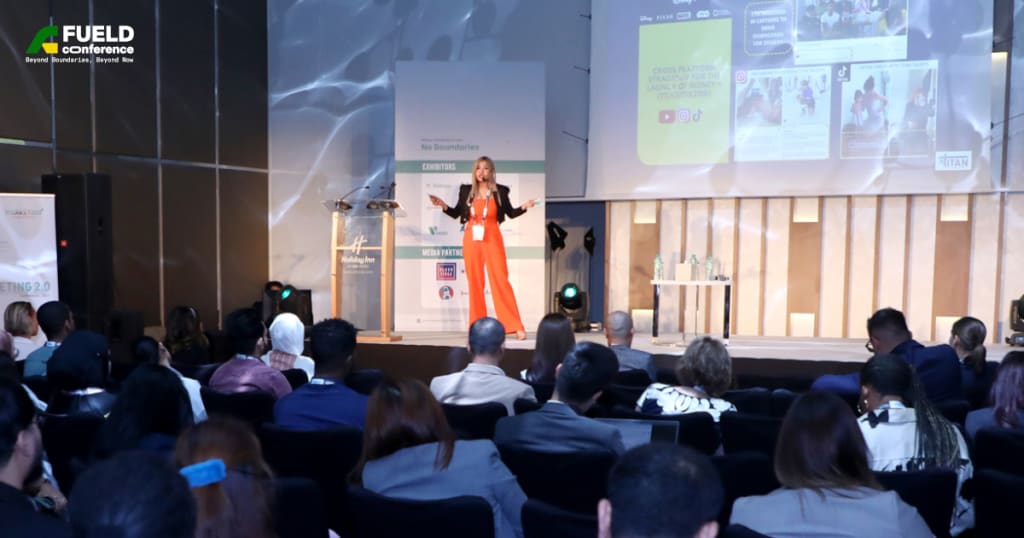
Engaging with experts at a tech conference in Dubai, notably the FUELD Conference, marketers will explore the potential of zero-party data. They will emphasize building trust through transparency and consent-based data collection. Experts will share strategies for personalized campaigns and practical implementation tools. The event showcased best practices and the future of data-driven marketing. In this blog, we will cover zero-party data and its importance. We will also discuss how it transforms personalization, its benefits and challenges, and its impact on consumer expectations and the future of marketing.
Understanding Zero-Party Data
A new approach to data collection is transforming how brands engage with consumers. Unlike third-party data, which is gathered without consent, zero-party data is willingly shared by consumers, including preferences and feedback. Its transparency builds trust and strengthens brand relationships. Because it comes directly from the source, it is highly accurate and allows for personalized marketing. As privacy concerns rise, zero-party data provides an ethical, compliant solution aligned with regulations like GDPR and CCPA, enabling marketers to connect more meaningfully with consumers.
How Zero-Party Data Benefits Marketers?
Leveraging zero-party data allows brands to design campaigns tailored to consumer preferences. It also helps marketers stay compliant with data privacy regulations.
Enhanced Personalization: Direct insights allow brands to create targeted campaigns that resonate with specific consumer interests.
Stronger Relationships: Being transparent about data collection builds trust, leading to more loyal and engaged customers.
Privacy Compliance: Zero-party data collection aligns with regulations like GDPR and CCPA, reducing brand legal risks.
Reliable Data Quality: Insights provided voluntarily by consumers minimize inaccuracies and improve overall marketing effectiveness.
Increased Engagement: Highly personalized experiences drive greater consumer engagement and conversion rates.
According to experts at the marketing and technology summit, zero-party data is revolutionizing modern marketing. It enables brands to create personalized campaigns aligned with consumer preferences while ensuring compliance with privacy laws. Experts stress that this data builds trust and engagement, driving better marketing outcomes and higher conversion rates.
Effective Ways To Collect Zero-Party Data
Brands must employ engaging methods to gather zero-party data while adding value to the consumer experience. The key is to make data collection seamless and beneficial.
Engaging Quizzes And Surveys: Interactive content like quizzes helps brands gather data while providing value and entertainment to the consumer.
Preference Centers: Allow consumers to select the type of content and offers they want, ensuring content relevancy.
Rewarding Loyalty Programs: Incentivize data sharing by offering rewards for consumer insights.
Personalized Opt-In Forms: When consumers sign up, provide options for customized content to understand their interests better.
Requesting Feedback And Reviews: Directly asking consumers for their thoughts on products or services gives deeper insights into their preferences and expectations.
Brands can gather zero-party data effectively through engaging methods like quizzes, preference centres, loyalty programs, and personalized opt-ins. Direct feedback also provides key insights. Attending a tech conference in Dubai, such as the FUELD Conference, can offer valuable knowledge on these strategies from industry leaders and experts.
Overcoming Challenges And Misconceptions

While zero-party data has many benefits, it comes with its own set of challenges. Brands must navigate these carefully to make the most of this data strategy.
Avoid Data Collection Fatigue: Bombarding consumers with too many requests can lead to frustration. Brands need to be strategic and thoughtful.
Complement, Don’t Replace Data: Zero-party data should work alongside first-party data for a well-rounded approach.
Complex Implementation: Using and analyzing zero-party data effectively may require advanced platforms and training.
Gaining Consumer Trust: If a brand has a history of data misuse, earning back trust can be an uphill battle.
Creating Meaningful Value Exchanges: Consumers need to understand the benefits they receive for sharing their data.
Shifting Consumer Expectations And Brand Dynamics
Consumer expectations are evolving, and brands must keep up with these changes to maintain relevance. Zero-party data can be a powerful tool in this new landscape.
Demand For Transparency: Modern consumers expect brands to be upfront about how they use their data.
Greater Control Over Data: People want to decide what information to share and when emphasizing the need for consent-driven marketing.
Changing Loyalty Patterns: Trust in a brand’s data practices can influence consumer loyalty and brand reputation.
Commitment To Ethical Marketing: Aligning with consumer values on data privacy and ethics gives brands a competitive edge.
More Humanized Interactions: Zero-party data allows for more genuine, personalized consumer engagement.
According to experts at the marketing and technology summit, brands must adapt to evolving consumer expectations to stay relevant. Consumers today demand openness and control over their data, making consent-driven marketing essential. They value trust and ethical data practices, which significantly impact brand loyalty. Zero-party data also allows for more genuine and personalized interactions, helping brands build deeper connections.
How Zero-Party Data Drives Business Growth?
Zero-party data doesn’t just improve marketing—it also drives measurable business outcomes. By using accurate and consistent data, brands can grow efficiently.
Reduced Wasteful Spending: With accurate data, brands can allocate their marketing budget more efficiently and reduce wasted ad spend.
Data-Driven Decision-Making: Reliable insights enable smarter and more strategic marketing decisions, boosting ROI.
Competitive Advantage: Brands that excel at personalizing experiences and respecting privacy can outshine competitors.
Faster Consumer Insights: Getting data directly from consumers accelerates the feedback loop, allowing brands to adapt more quickly.
Innovation In Campaign Strategies: Marketers can develop unique, data-driven campaigns that feel fresh and relevant to their audience.
Conclusion
Zero-party data is revolutionizing digital marketing, emphasizing the need for consent and consumer trust. Opportunities for networking with experts at a tech conference in Dubai, such as the FUELD Conference, are important for understanding and leveraging this data-driven approach. These events allow marketers to gain knowledge, share strategies, and explore innovations that keep them at the forefront of change. By prioritizing transparency and ethical data use, brands can foster deep, lasting relationships with their audiences. Those who act now will lead the way into a more trusted and personalized marketing future.
About the Creator
FUELD Conference
The FUELD Conference is a 3-day technology and marketing conference where the cutting edge of marketing meets the forefront of technology, creating a powerhouse event designed to fuel business innovation.
Keep reading
More stories from FUELD Conference and writers in Interview and other communities.
FUELD Conference To Address Privacy And Security For Marketers In The Metaverse
How prepared are marketers to address privacy risks in the evolving metaverse? As the metaverse expands, brands are drawn to its potential for creating deeply immersive, personalized experiences. However, with this opportunity comes a responsibility to protect vast amounts of user data generated in these virtual spaces. From behavioral patterns to biometric details, the data collected in the metaverse is highly sensitive, posing unique challenges to privacy and security.
By FUELD Conferenceabout a year ago in Education
Center Stage with Paul Stewart
*** I'm keen to republish the interviews I did for my series with Vocal creators. It's been a few years and I thought it might be nice to revisit these wonderful conversations. I'll be releasing them one at a time for a few weeks/months.
By Heather Hubler5 days ago in Interview
Keep The Flame Alive Podcast
In the last several Olympics (Winter and Summer), corporate media have added podcasting to their toolbox for broadcasting about the Olympics. Peacock has an Olympics podcast, but the platform hosted Olympic-themed content and podcasts during the 2024 Paris Games, like In the Village with Elizabeth Beisel and Watch with Alex Cooper, while NBC also had shows like The Podium, featuring athlete interviews and behind-the-scenes looks, all tied to the Olympic experience on Peacock, which served as the exclusive streaming home for live coverage.
By Frank Racioppiabout an hour ago in Interview




Comments
There are no comments for this story
Be the first to respond and start the conversation.