
Designing And Building Packaging Equipment
Proffesional Packaging Machine Supplier
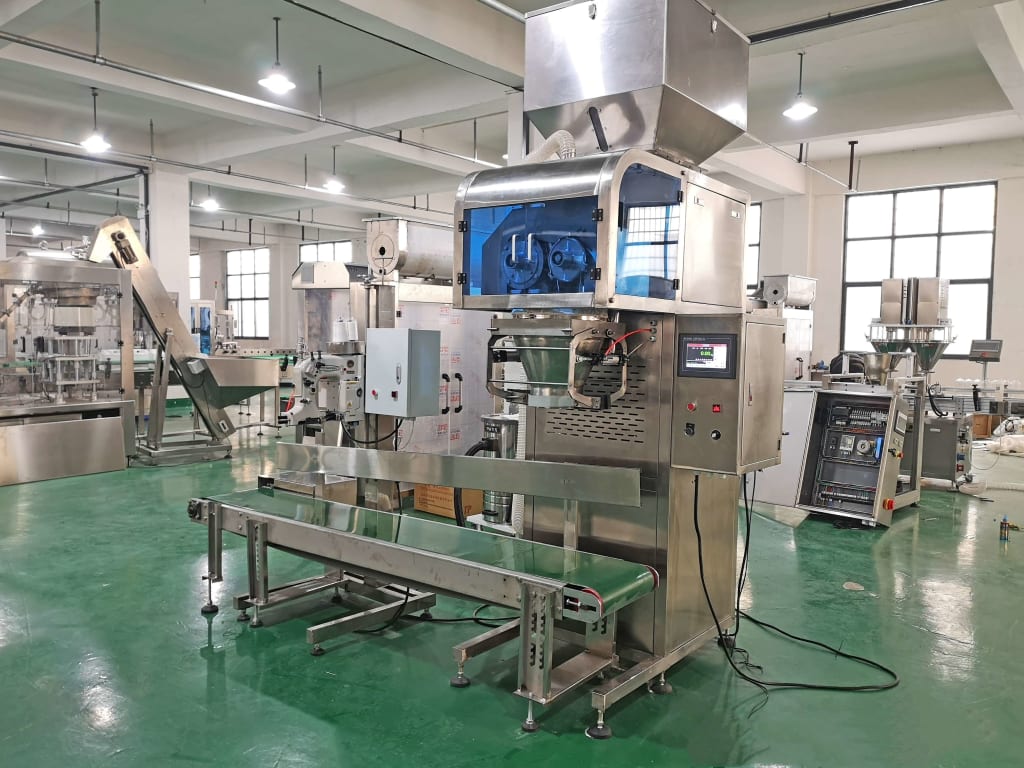
The world we live in is obsessed with convenience. We want our groceries bagged neatly, our medications dispensed accurately, and our online orders delivered securely. This relentless pursuit of efficiency has fueled the rise of automation, particularly in packaging.
Behind the scenes, a complex dance unfolds between innovative design and meticulous construction – the process of building the machines that seamlessly package our everyday essentials. If you have been wondering how this process for designing and building packaging equipment is done, you must keep reading!
6 Steps for Designing and Building Packaging Equipment
Understanding the Needs: The Blueprint for Success
Powder Filling Machine manufacturers don’t simply build machines; they craft solutions. The first step in this intricate journey is understanding the client’s specific needs. This involves a detailed consultation process, where factors like:
Product Characteristics
The projects’ characteristics influence different types of machinery needs. That is why you must consider size, shape, weight, and fragility.
Production Speed and Capacity
How many units need to be packaged per minute or hour? This dictates the speed and overall capacity of the machine.
Packaging Material
The selected material, ranging from cardboard boxes to plastic pouches, determines the forming, filling, and sealing processes.
Safety and Hygiene Considerations
These considerations are especially crucial for food and pharmaceutical products, as they influence material selection and equipment design.
According to the report from Facts and Factors, by the end of 2032, the size of the global packing machinery industry is expected to have risen from its 2023 valuation of $48.82 billion to USD 70.70 billion. Between 2024 and 2032, the packaging machinery market is predicted to expand at a CAGR of 4.20%. The increasing demand for faster production lines reduced labor costs, and consistent product quality drove this growth.
The Design Phase: Where Imagination Meets Engineering!
When the needs of the client are well documented, design magic happens. An engineering and design team works together to develop a virtual prototype of the packing equipment. Usually, this includes:
Computer-Aided Design (CAD) Software
Several software programs allow 3D modeling of the machine, enabling visualization of its components, functionality, and potential for integration with existing production lines.
Finite Element Analysis (FEA)
Using this sophisticated modeling technique, engineers can forecast the machine’s performance in real-world scenarios and study stress distribution.
Selection of Standard and Custom Component
PEMs use generally available components and specially built pieces to build a machine precisely tailored to the project’s requirements.
Material Selection: Building with Strength and Reliability
The heart of any automatic packaging machinery lies in the materials used for its construction. Here’s a breakdown of some key considerations:
Stainless Steel
It is a well-liked option because of its sturdiness, resistance to corrosion, and ease of cleaning, making it perfect for use in food and pharmaceutical applications.
Mild Steel
Using mild steel will provide a reasonably priced choice for structural elements that do not need to be as resistant to corrosion.
Aluminum
Aluminium is frequently used for machine frames and parts that need to move swiftly since it is lightweight and resistant to corrosion.
Plastics
Engineered plastics with specific properties, such as wear resistance and low friction, are used for gears, rollers, and conveyor belts.
Bringing the Design to Life: The Art of Fabrication!
Now that the materials and design have been decided upon, it’s time to bring the virtual machine to life. Usually, the fabrication process entails:
Machining
CNC machines precisely cut and shape metal components based on CAD models.
Welding
Skilled welders join metal parts to create a strong and stable machine frame.
Fabrication of Custom Parts
For specialized components, sheet metal fabrication techniques are employed to create bespoke elements.
Assembly
The various components are meticulously assembled, ensuring proper alignment and functionality.
Integration and Testing: Ensuring Seamless Operation
A well-designed machine is only half the battle won. The next crucial step involves integrating the new equipment into the existing production line. This includes:
Electrical and Mechanical Integration
While mechanical engineers ensure smooth integration with the current conveyors and equipment, electrical engineers ensure the right power supply and control systems are in place.
Testing and Commissioning
The flour packing machine undergoes a thorough testing process to confirm accuracy, speed, and functioning. It is then adjusted and fine-tuned to ensure it meets performance requirements.
About the Creator
Jerry Lane
Professional packaging machine supplier
https://www.zenofilling.com
Keep reading
More stories from Jerry Lane and writers in Interview and other communities.
Center Stage with Paul Stewart
*** I'm keen to republish the interviews I did for my series with Vocal creators. It's been a few years and I thought it might be nice to revisit these wonderful conversations. I'll be releasing them one at a time for a few weeks/months.
By Heather Hubler5 days ago in Interview
William Stern on Community, Jewish Values, and Leadership at Cardiff
William Stern is a finance entrepreneur and founder and CEO of Cardiff, a B2B financing firm operating in North America, Portugal, and Israel. He launched Cardiff in 2004 after seeing many small and lower-middle-market businesses struggle to secure timely, cost-effective capital. Stern emphasizes transparency in rates and margins, relationship-based underwriting, and “ethical financing with a soul,” often using phone conversations rather than purely automated decisions. He describes leadership as a series of consistent, small actions that compound over time. Inside Cardiff, he favours frequent check-ins over annual reviews to support employees as whole people and to protect trust with customers, applicants, and stakeholders.
By Scott Douglas Jacobsenabout 21 hours ago in Interview
Silver Screen Magic with Mae West
American actress and singer Mae West became a popular film actress during the Great Depression. She started entertaining in vaudeville, then performed on Broadway, and finally went to Hollywood. She signed up with Paramount Pictures and made her debut in the 1932 film “Night After Night.” She also starred in musicals, comedies, and crime dramas. The American Film Institute named her one of the best classic Hollywood actresses.
By Rasma Raisters7 days ago in Geeks



Comments
There are no comments for this story
Be the first to respond and start the conversation.