
World War III Memes: How Gen z Dark Humor Meets Global Anxiety
From panic to Punchlines Why Gen Z Turns Global Fear Into Viral Humor

Introduction
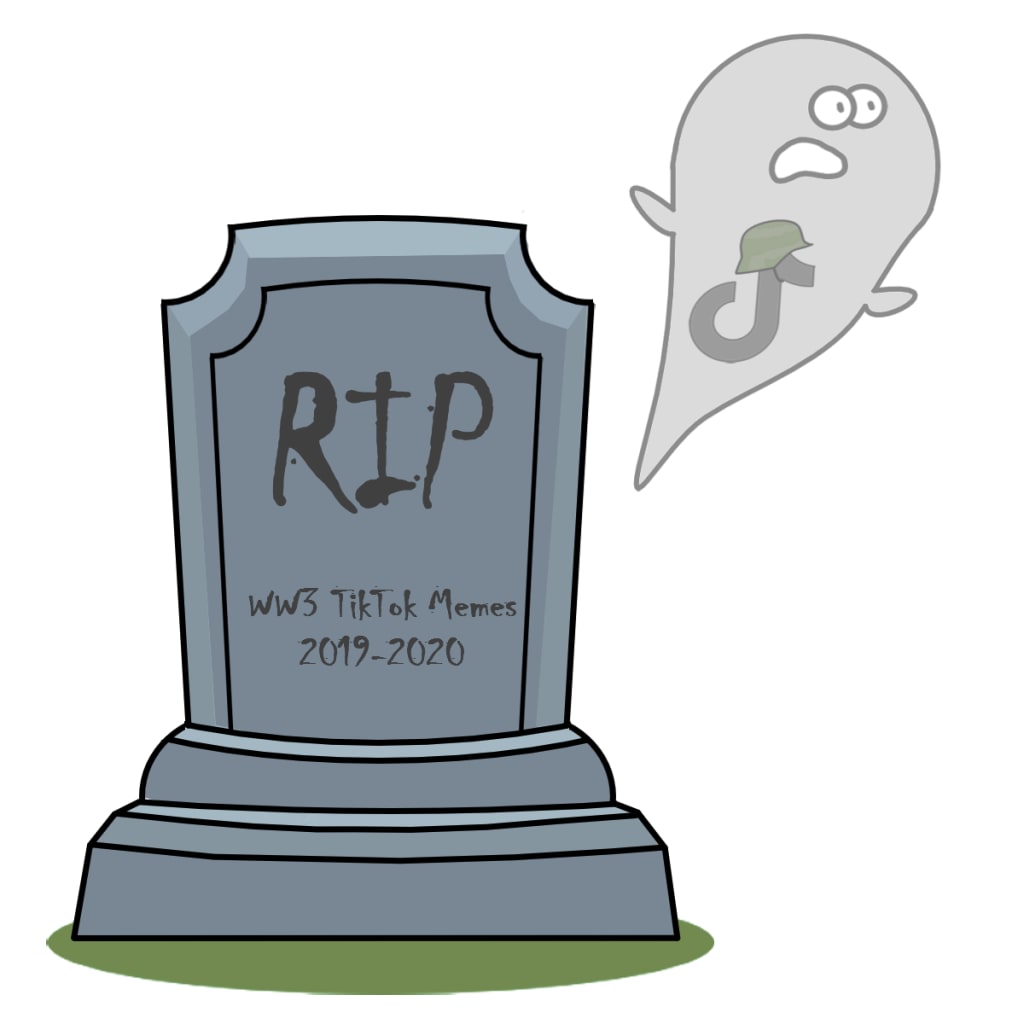
In mid‑June 2025, the phrase “World War III” shot to the top of social media trends—most notably on X (formerly Twitter). The surge followed intensified tensions between Iran and Israel, drawing global attention. Yet, instead of panic dominating the thread lights, dark memes and sardonic humor spread like wildfire, especially among Gen Z. This trend isn’t merely meme culture gone wild—it reflects a psychological response to anxiety, a generational coping strategy, and a new form of digital political commentary
1. What’s fueling the trend?
At the core, geopolitical friction is escalating—with conflicts from Gaza to Kyiv pulling global focus. meme creators seized on the gravitas of “World War III” and responded with humor as a defense mechanism. While the hashtag denotes real dread, its scattered usage in memes underscores how younger audiences process global threats: through satire, dark wit, and collective shrugging
2. WWIII becomes a meme language
Scrolling through X today reveals a tapestry of memes:
Loaf bread references (WWIII anyone? Bread.”)
Mash‑ups with pop culture icons
Minimalist one‑liners mocking fear (“When you panic, but still gotta check TikTok”)
These memes do more than entertain—they signal community. Faced with existential dread, Gen Z uses shared humor to bond and vent. It's not denial; it's a collective laugh in the face of unease
3. Coping or cynicism?
Psychologists note that humor is a classic tool for emotional regulation. In uncertain times, especially when news is filled with anxiety, irreverent memes allow people to comment on serious issues without collapsing under the weight. But critics say this trend risks normalizing war‑level anxiety, making conversation too casual—or worse, trivializing real human suffering
4. When humor becomes commentary
Beyond simple jokes, some meme creators are weaving nuanced political critique:
Irony highlighting hypocrisy, e.g., “Celebrating peace with memes while silence reigns in parliament.”
Satirical takes on global leadership, mocking politicians who escalate tensions.
Meta‑memes about meme culture itself, exploring how humor becomes part of the news cycle.
This meta‑awareness transforms meme-making into a form of political expression, using familiarity to deliver commentary without overt editorializing .
5. The generational gap in perception
Not everyone is onboard with the trend. Older generations often view “WWIII memes” as inappropriate or insensitive:
Some argue it diminishes the gravity of possible global conflict.
Others believe it showcases a detachment or lack of maturity in today’s youth.
Yet, experts stress this is a cultural shift—Gen Z doesn’t ignore severity; it reframes to reclaim agency over their anxiety
6. Beyond Gen Z: A modern coping landscape
| Coping Method | Examples | Function |
| ----------------------- | ----------------------------------- | ---------------------------------------- |
| Dark humor memes | #WWIII joke threads | Provides collective distance & community |
| Reaction GIFs/Videos | Viral rewinds of political bloopers | Satirize the absurdity of leadership |
| Irony‑laden audio clips | Audio trends on TikTok | Layered critique through subtle tone |
7. Risks of trivialization
The meme trend isn’t without downsides:
Desensitization: Overexposure may dull our emotional response to real crises.
Distraction: Humor can reduce impetus for meaningful discussion or action.
Echo chamber effects: Without critical engagement, memes may circulate shallow or misleading perspectives.
For a healthier media diet, analysts advise pairing humor with informed commentary—reading news from credible sources while sharing a meme.
8. Looking ahead
Will “WWIII memes” fade as tensions ease? Possibly—memes thrive on topical urgency. But the broader trend—a preference for dark, ironic, communal humor as resistance—likely endures.
Future flashpoints (economic crises, elections, environmental emergencies) may trigger similar meme waves, serving the same dual purpose: comic release and peer reassurance
Conclusion
The rise of “World War III” memes in June 2025 exemplifies a complex cultural moment. In an era defined by global anxiety, digital natives aren’t just fleeing fear through humor—they're forging bonds, injecting satirical critique, and democratizing discourse. Whether viewed as coping or cynicism, the trend reveals how Gen Z—and all of us—navigate existential uncertainty in a meme‑saturated world.
About the Creator
keiju
hey hi iam keiju I write about unplugging, unlearning, and unlocking better ways to live in a digital world.
Follow me if you’ve ever wanted to throw your phone into the ocean—just for peace. 🌊🧘
From ad men to mad men
It's after 2am in the morning when a local police patrol vehicle in Northern New Jersey spots a figure costumed as Quasimodo, The Hunchback of Notre Dame, proceeding southbound on the sidewalk along Lydecker Street. Though the hunchback’s costume stuffing offers added insulation, it's January, and friggin’ freezing. Carefully, the officers slow down, gently question the subject, and offer him a ride home.
By David W. Maury11 days ago in Humor
The World Is on Fire, But My Freezer’s Been Stockpiling Since 2017
📦 Section 1: Frozen Time Capsules – A Love Letter to Foods That Shouldn't Be Alive There comes a moment in every adult’s life when you open your freezer, stare into the icy abyss, and realize you’ve been harboring culinary fugitives from the past.
By The Pompous Post4 days ago in Humor



Comments (2)
thanks
Psychologists note that humor is a classic tool for emotional regulation. In uncertain times, especially when news is filled with anxiety, irreverent memes allow people to comment on serious issues without collapsing under the weight. But critics say this trend risks normalizing war‑level anxiety, making conversation too casual—or worse, trivializing real human suffering