
Why Are FPGAs So Popular in the Digital World?
Why Are FPGAs So Popular in the Digital World?
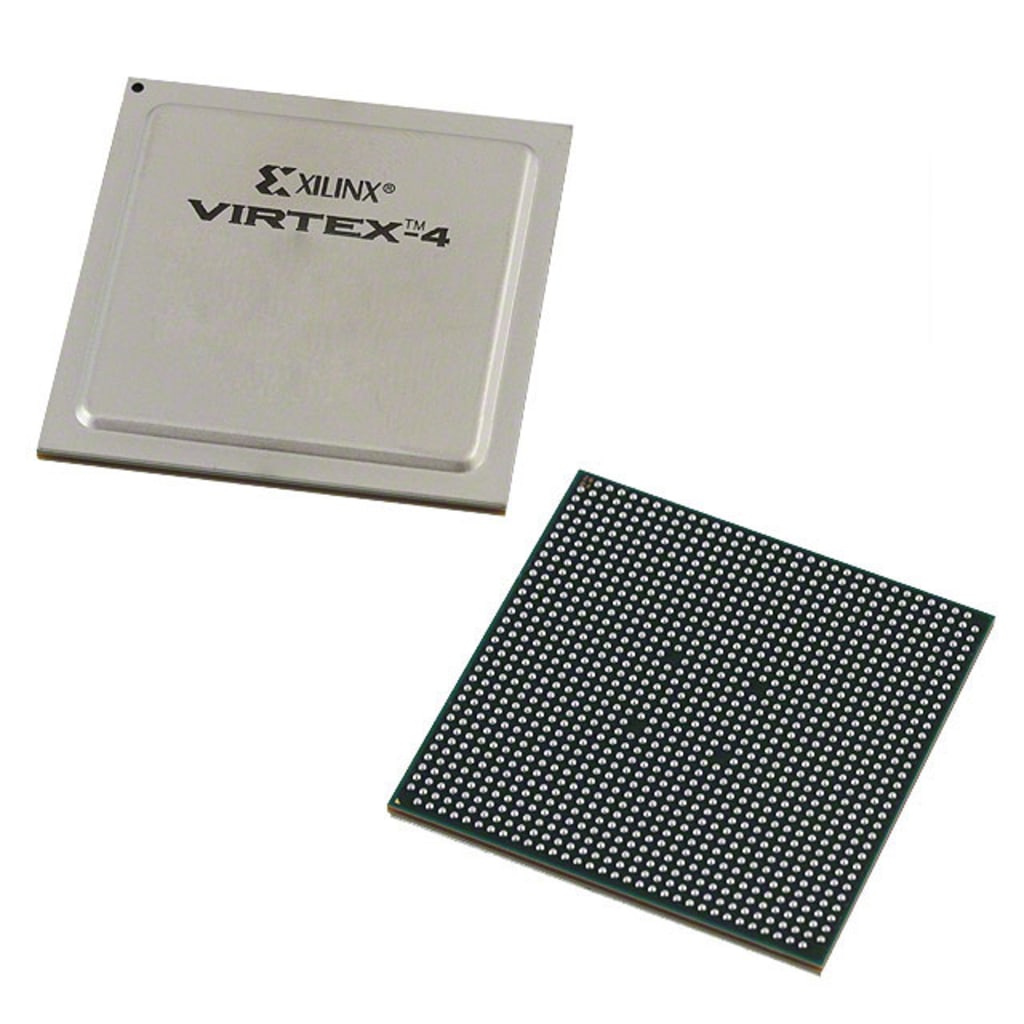
Alright, folks, today we’re talking about FPGAs—those mysterious chips that sound like they were designed by aliens. Don’t worry, I’ve got you covered with a fun, easy-to-understand breakdown of why these little devices are making waves in all kinds of industries. Let’s start with the basics: "What on earth is an FPGA?" and then we’ll gradually ease you into a world of tech wizardry.
What Makes FPGAs Different from Regular Processors?
First, let’s reveal why FPGAs are so special. The short answer: they’re not just good at what regular processors do—they’re better, faster, more focused, and energy-efficient. Yeah, they’re pretty awesome. But why, you ask?
In simple terms, FPGAs and regular CPUs differ in two major ways:
Parallel Processing Power: FPGAs can handle multiple tasks at once, like a super-efficient multitasker, cranking through work faster. Meanwhile, your average CPU is more like a traditional worker—doing things one at a time, in order.
More I/O (Input/Output) Options: FPGAs are like the social butterflies of the tech world, connecting to way more devices than a regular CPU can. A regular processor can only handle a few I/O ports at once, but FPGAs can juggle hundreds, making them ideal for complex, interconnected systems.
Put those two together, and you can see why FPGAs are a go-to solution for so many specialized applications. They’re like the Swiss Army knife of the tech world—if you can dream it, an FPGA can probably do it.
FPGA Jobs—Where Do People Focus?
Now, let’s talk about the brains behind these chips. People who work with FPGAs typically fall into one of two categories:
Interface and Control Systems Experts: These are the folks who get their hands dirty with communication protocols—think USB, LAN, SATA—and hook up sensors, ADCs, and all sorts of peripherals to FPGAs. They also design control units, which are the brains of digital systems. If you’ve ever used a digital system that actually works, thank these folks.
Digital Signal Processing (DSP) Wizards: On the other side, there are those FPGA maestros who specialize in signal processing. These heroes work on critical applications in fields like telecommunications, radar, and image processing, making sure the data gets from point A to point B as fast and efficiently as possible. They’re like the tech world’s version of concert pianists—every note needs to be just right, and they make it happen with FPGA magic.
Where Do FPGAs Make Their Mark?
Now, let’s get into some real-world examples of where FPGAs shine like rockstars:
Telecommunications: If you’ve ever used satellite links for high-speed data transmission (thank you, FPGAs), then you know that FPGAs are the backstage crew that keeps the show running smoothly. They’re essential for these high-speed, high-stakes environments.
Defense Systems: Want to track a moving target with precision? FPGAs are behind the scenes in radar systems, ensuring everything is located accurately. Basically, if you need to find something (or someone) fast, FPGAs are your best bet.
Medical Engineering: Here’s a fun fact—FPGAs are everywhere in the medical field. From imaging systems to software-defined radios (SDRs), FPGAs are the unsung heroes helping doctors and engineers get the job done.
Image & Video Processing: Real-time video or image processing, especially with high-quality data, is a task that requires serious horsepower. FPGAs are the go-to solution when the chips need to be fast—and we mean really fast.
Control & Monitoring Systems: Whether it’s power plants, factories, or motor drives, FPGAs are taking over from older PLCs, providing the flexibility and speed needed for these critical control systems.
Data Encryption: In today’s digital world, encryption is a must. FPGAs make sure your data is locked up tight, helping secure transmissions across various systems.
ASIC Prototyping: Before a custom chip (ASIC) is finalized, FPGAs are used to simulate it. They’re like the practice round before the big game, allowing engineers to test and tweak designs before committing to the real deal.
Accelerators: Sometimes, processors can’t keep up with a specific part of an algorithm. That’s where FPGAs come in, working alongside the main processor to speed up those sluggish tasks and ensure the algorithm runs on time.
Let’s Talk Radar (and how FPGAs are like the tech ninjas inside it)
In radar systems, you have two main parts: hardware and software. The hardware can be broken down into RF (Radio Frequency) and digital components. The radar antenna gets signals, which are then processed in the RF circuits, down-converted to an intermediate frequency (IF), and digitized.
Once the signal is digital, it gets sent to the digital signal processing section, where FPGAs come in. These FPGAs handle complex algorithms that track targets in real time. Without them? Well, your radar system would be pretty much useless.
FPGA Job Market—Get Ready to Cash In!
Now, let’s talk about the big bucks. FPGAs are hot, hot, hot right now. Back in 1988, the global FPGA market was worth a measly $13 million. Fast-forward to 2022, and that number skyrocketed to around $8 billion, with projections saying it’ll hit $15.5 billion by 2027.
That’s a lot of money. But it’s not just about the cash—it’s also about the opportunities. Industries like image processing, defense, telecommunications, and medical engineering are all in desperate need of FPGA experts.
Here’s the kicker, though: there aren’t enough FPGA professionals to go around. I’ve interviewed many people over the past 15 years, and I can tell you firsthand—there’s a massive gap in the market for people with FPGA skills.
If you’re looking for a promising career, now’s the time to level up. Learn FPGAs, and you could be looking at a bright, high-demand job market in just one or two years. Talk about a tech career that’s built to last!
Thank you for reading. If you're interested in the FPGA-powered technologies mentioned in the article, feel free to check out SZComponents Electronics.
About the Creator
We Regret to Inform You That Your Friend Is Speaking Entirely in Obscure Movie Quotes
As editors, we feel it is our responsibility... nay, our duty, to issue the following disclaimer: If you are currently friends with, related to, or standing behind a man who speaks exclusively in obscure movie quotes, we want you to know something very important.
By The Pompous Post6 days ago in Humor


Comments
There are no comments for this story
Be the first to respond and start the conversation.