
Restore America's Health Again - Unveiling the 5 GreatestThreats
From a wannabe member of RFK Jr's plan to rehealth America


Curious readers, patriots, and fellow skeptics of the official narrative, it's time to expose the forces threatening the health and freedom of every American. Forget what your doctor, the CDC, or "science" tells you - here are the real forces behind the unprecedented decline in our nation's health.
Big Shower
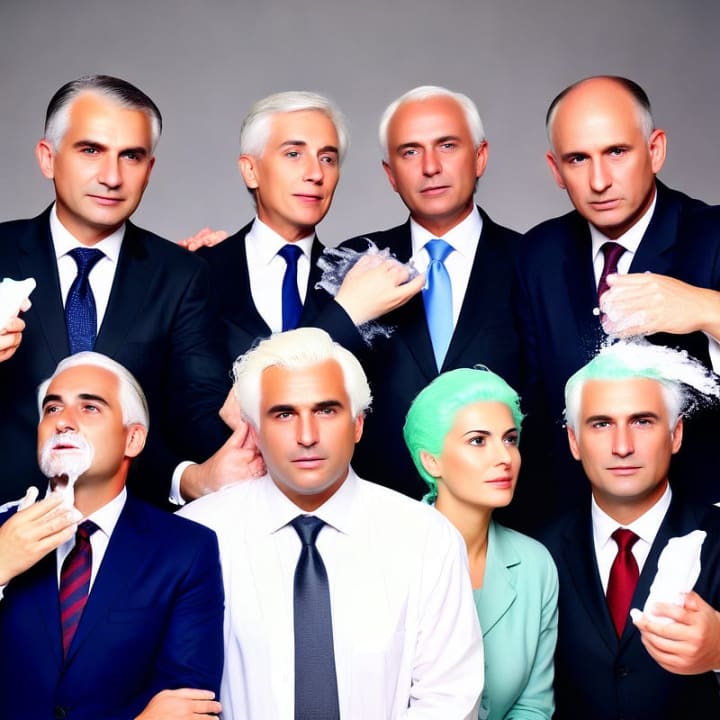
You simply can't walk into the halls of the US Congress without smelling the influence of Big Shower.
If you are like me, you have been told daily showers are essential for hygiene since as long as you can remember.
But have you ever detoxed from soap for a week? Probably not, because we've all soaked in Big Shower's propaganda.
It hasn't always been this way. In the 1800s, smart, sophisticated people would take a shower or bath at most once a week.
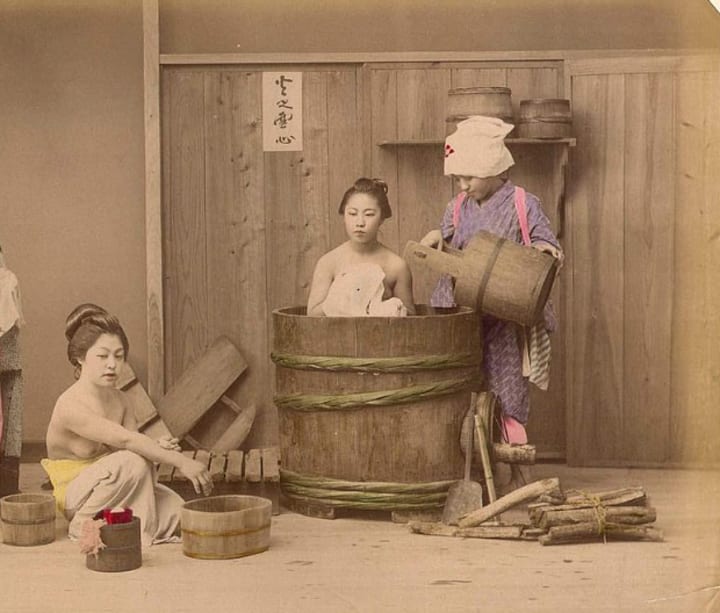
A cabal of soap producers, body spray creators, and shower head manufacturers have been brainwashing us into believing we need to wash every single day.
The only way to break free is to embrace your god-given natural body odor.
The Parsley Industrial Complex

Parsley. It's not a harmless herb that garnishes your favorite diner meal.
It's the leafy green of a vast, profit-driven conspiracy. The Parsley Industrial Complex (PIC) has infiltrated our restaurants, grocery stores, and even our home gardens, pushing a "herb" narrative to line their own pockets.
Parsley is a gateway herb. First, it's a sprig on your plate, then suddenly you're buying overpriced organic kale and quinoa like some kind of coastal elite.
Wake up, America. Big Parsley is coming for dinner.
Walk Signal Lobby - Pedestrian Oppression at Its Finest
Have you ever stood at a crosswalk, waiting for that little white walking man to give you permission to cross? It's not a traffic signal - it's a symbol of your dwindling freedom. Why should we wait for the government to tell us when it's safe to cross the street?
The Walk Signal Lobby has been quietly eroding our autonomy, one red hand at a time.
The Hamster Cartel - A Border Invasion

You thought the border crisis was just about people? Think again.
The Hamster Cartel has been smuggling grain-hoarding invaders across our borders for decades. They infiltrate our homes and schools, catfish our children, and distract us with cuteness while spreading their hidden agenda.
What is that agenda, you ask? To hook our children into a hamster wheel of consumer spending. Wood shaving, paper pellets, sunflower seeds. Every part of the hamster food chain is about consumption and control.
Deport your hamster back to Syria now, to save America.
Big Water Bottle - Hydration Hysteria
"Hydration is important", they say.
"Drink eight glasses of water a day", they say.
But who's really benefiting from this so-called "health advice"?
An alliance of plastic manufacturers and hydration influencers who have convinced us all that we are perpetually dehydrated.
Drink from the faucet like a real American. Preferably well water.

***
Paid for by The Campaign for Scott Christenson for National Health Secretary.
***
Historical Background:
The belief that bathing was harmful or unnecessary has appeared at various points in history, often influenced by cultural, religious, and medical ideas. Here’s a summary of historical trends where people believed bathing was bad:
1. Middle Ages (Approx. 500–1500 CE)
Religious Influence: The Christian Church in Europe often associated public baths with promiscuity and sin, particularly after the fall of the Roman Empire. Bathing was seen as indulgent and morally suspect.
Medical Theories: Medieval medicine, influenced by the theory of the four humors, suggested that water could weaken the body by opening pores and allowing diseases to enter.
Result: Bathing became less frequent, and people relied on perfumes, powders, and changing undergarments to mask odors.
2. Renaissance (Approx. 1400–1600 CE)
Continued Medical Misconceptions: Many still believed that water could spread diseases, especially during outbreaks like the Black Death. Bathing was thought to strip the body of its natural oils and leave it vulnerable.
Selective Bathing: While some wealthy individuals bathed occasionally, full-body immersion was rare. Instead, people often washed only visible parts of the body, like hands and face.
3. 16th–18th Centuries
Fear of Water: In Europe, particularly during the Renaissance and Enlightenment, water was often seen as a carrier of disease. This belief was reinforced by the lack of clean water and proper sanitation in cities.
Dry Cleaning: People used linen undergarments to absorb sweat and changed them frequently, believing this was a safer alternative to bathing.
Royal Examples: Figures like Queen Elizabeth I of England famously claimed to bathe only once a month, "whether she needed it or not," reflecting broader societal attitudes.
4. 19th Century
Changing Attitudes: The Industrial Revolution and advances in public health began to shift perceptions. However, in some rural or conservative areas, the old beliefs persisted.
Misguided Medical Advice: Some doctors still warned against frequent bathing, claiming it could lead to illness or weaken the immune system.
5. Early 20th Century
Rise of Hygiene Education: Public health campaigns began to promote regular bathing as essential for health and social respectability. However, some older generations held onto the belief that too much bathing was unnecessary or harmful.
Cultural Resistance: In some communities, especially in rural areas, bathing was seen as a luxury or even a sign of vanity.
6. Modern Era
Overcoming Myths: By the mid-20th century, the belief that bathing was harmful had largely disappeared in most parts of the world, thanks to improved access to clean water, better sanitation, and widespread education about hygiene.
New Concerns: Today, some argue that excessive bathing or the use of harsh soaps can strip the skin of natural oils, but this is a far cry from the historical belief that bathing itself was dangerous.
About the Creator
Scott Christenson🌴
Born and raised in Milwaukee WI, living in Hong Kong. Hoping to share some of my experiences w short story & non-fiction writing. Have a few shortlisted on Reedsy:
https://blog.reedsy.com/creative-writing-prompts/author/scott-christenson/
Keep reading
More stories from Scott Christenson🌴 and writers in Humor and other communities.
EXCLUSIVE: The Pompous Post Investigates “Milton Barrington III, Esquire” - A Lawyer Who Has Failed the Bar Exam Nine Times but Refuses to Stop Practicing Law Anyway.
The Pompous Post has always stood for truth, accountability, and protecting the public from quietly confident disasters. Which brings us to Milton Barrington III, Esquire.
By The Pompous Post3 days ago in Humor




Comments (1)
😂 Fun stuff, Scott! The parsley or (PIC) bit was hilarious. ‘The gateway herb’ And I guess my vanity will continue for a long time to come because unlike the queen, I cherish the right to bathe frequently. Thanks for the laughs!