
Laughing vs Health: A Medical Perspective
introduction, laughing science, physical health, mental health, exercise, reference

Introduction
Laughter is often described as the best medicine—a universal human behavior that transcends language and culture. But beyond its social and emotional value, modern medicine has increasingly acknowledged laughter as a genuine contributor to physical and mental well-being. From boosting immune response to reducing pain and improving cardiovascular function, laughter holds significant therapeutic value. This documentary report explores the medical impact of laughter on health, supported by research findings, clinical examples, and expert opinions.
1. The Science Behind Laughter
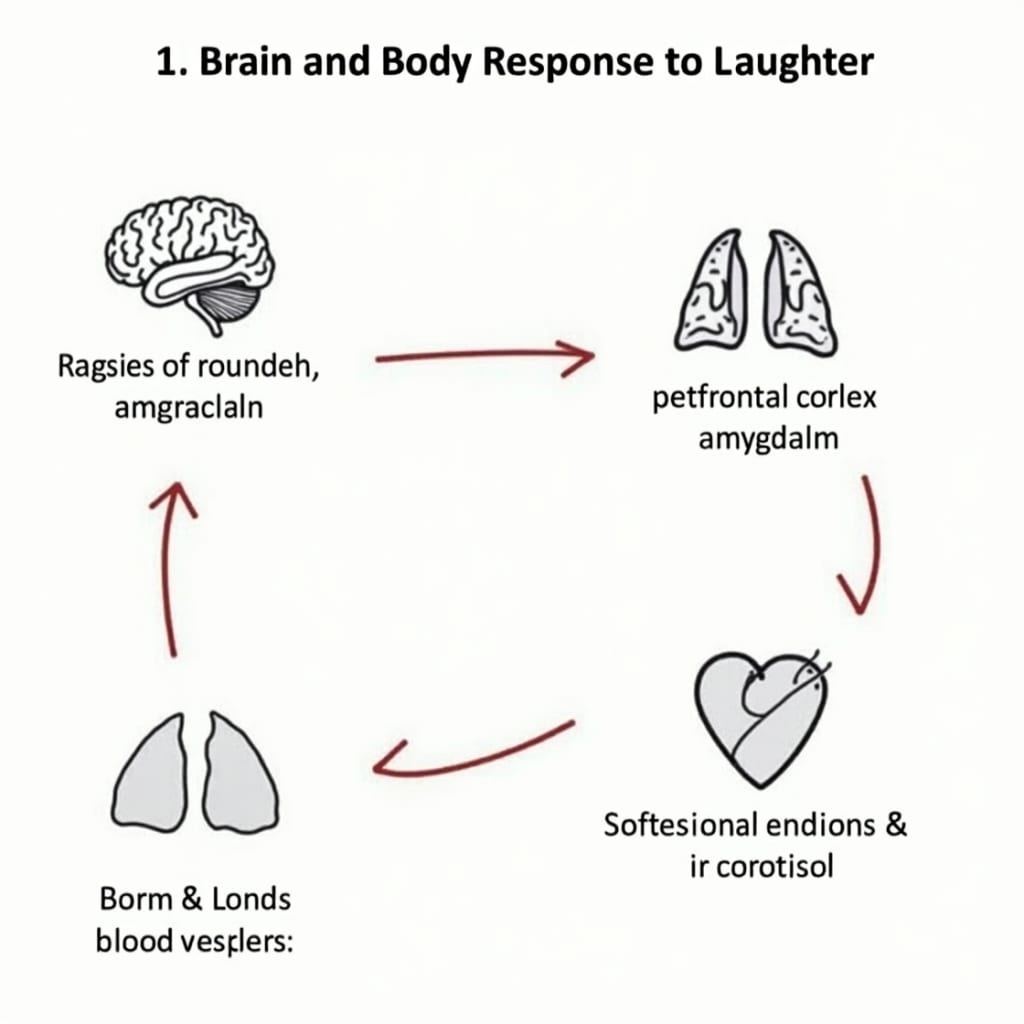
Laughter is a complex physiological process involving multiple regions of the brain and body. When a person laughs:
• The brain's limbic system activates, especially the amygdala and hippocampus.
• The prefrontal cortex (responsible for decision-making and emotional response) interprets humor.
• The autonomic nervous system responds by altering respiration, heart rate, and releasing endorphins.
According to Dr. Robert Provine, a neuroscientist at the University of Maryland, “Laughter is a social signal, not a learned behavior, and it has deep evolutionary roots in human survival.”
2. Physical Health Benefits
a. Cardiovascular Health
Laughter improves blood vessel function and increases blood flow, similar to aerobic exercise. A study by Dr. Michael Miller from the University of Maryland Medical Center found that laughter can improve the function of blood vessels and reduce the risk of heart attack.
Example: In one study, participants who watched a comedy for 30 minutes had significantly increased blood flow compared to those who watched a stressful documentary.
b. Immune System Boost
Laughter enhances immune function by increasing levels of natural killer cells, immunoglobulins, and infection-fighting antibodies. It also lowers levels of cortisol, a stress hormone that suppresses immunity.
Reference: Berk et al. (1989), Loma Linda University—humorous videos were shown to subjects, resulting in increased activity of natural killer cells.
c. Pain Management
Laughter triggers the release of endorphins, the body’s natural painkillers. These chemicals not only improve mood but can also reduce the perception of pain.
Example: In a clinical study, patients with chronic pain reported lower pain intensity after participating in group laughter therapy sessions.
3. Mental Health Benefits
a. Stress Reduction
Laughter significantly reduces stress hormones such as adrenaline and cortisol, promoting a relaxed state.
Reference: A study published in the journal Psychosomatic Medicine (2003) showed that laughter decreases the physiological symptoms of stress.
b. Depression and Anxiety Relief
Laughter therapy is being integrated into treatment plans for patients suffering from depression, PTSD, and anxiety disorders. The cognitive shift created by humor allows patients to view their problems from a different, less threatening perspective.
Example: At a psychiatric hospital in South Korea, weekly laughter therapy sessions led to measurable improvements in patients with depression scores.
c. Improved Sleep
People who engage in regular, hearty laughter experience better sleep patterns, likely due to reduced stress and improved mood.
4. Social and Emotional Healing
Laughter is a powerful social bonding tool. It builds trust, enhances teamwork, and improves communication—especially in stressful environments like hospitals or emergency response teams.
Example: In pediatric wards, clown therapy has been shown to reduce anxiety in children undergoing surgery or chemotherapy.
Dr. Hunter "Patch" Adams, a physician and social activist, famously integrated humor into patient care. His approach was later immortalized in the film Patch Adams starring Robin Williams. His belief? “You treat a disease, you win, you lose. You treat a person, I guarantee you’ll win.”
5. Clinical Use of Laughter in Medicine
a. Laughter Yoga
Developed by Dr. Madan Kataria in India, Laughter Yoga combines forced laughter with yogic breathing (Pranayama). Over time, the forced laughter often becomes genuine.
Use Case: Studies in senior centers and rehabilitation clinics have shown laughter yoga reduces depression and blood pressure, and increases mobility.
b. Laughter Therapy
Psychologists and therapists use humor-based sessions to:
• Break down emotional barriers
• Encourage expression of difficult emotions
• Help patients regain joy
Clinical Observation: Cancer treatment centers like the Mayo Clinic and Memorial Sloan Kettering have integrated laughter therapy into patient care with measurable improvement in quality of life.
6. Limitations and Ethical Considerations
While laughter offers numerous benefits, it is not a substitute for medical treatment. For example:
• It should not replace medication for clinical depression.
• In certain medical conditions (e.g., post-surgery, heart conditions), intense laughter may be physically uncomfortable.
Furthermore, inappropriate use of humor can alienate or offend. Therefore, context, sensitivity, and consent are critical when using laughter in therapy or medical settings.
7. Future of Laughter in Medicine
With advancements in psychoneuroimmunology and positive psychology, laughter is gaining recognition as a non-pharmacological intervention in preventive medicine and palliative care. Research continues to explore:
• Laughter’s effect on genetic expression related to immunity.
• AI and VR-based humor modules for telehealth and mental wellness.
Conclusion
Laughter is more than a reflexive response to humor—it is a powerful physiological event that affects the brain, immune system, and emotional well-being. From reducing stress to strengthening the heart and enhancing social connection, laughter provides a holistic approach to health.
While not a cure, it is an accessible, low-cost, and enjoyable complement to traditional medicine. As Dr. Lee Berk aptly says, “Laughter is like internal jogging.” In a world burdened by chronic diseases and mental health struggles, perhaps it's time to laugh a little more—for our health.
References
1. Berk, L., & Tan, S. A. (1989). The psychoneuroimmunology of laughter. Loma Linda University.
2. Miller, M., et al. (2005). The positive effects of laughter on vascular function. University of Maryland Medical Center.
3. Kataria, M. (1995). Laughter Yoga: Laugh for no reason. India.
4. Hasan, H., et al. (2003). Laughter and stress reduction in mental health therapy. Psychosomatic Medicine.
5. Provine, R. (2000). Laughter: A Scientific Investigation. Penguin Books.
About the Creator
Ahmad shah
In a world that is changing faster than ever, the interconnected forces of science, nature, technology, education, and computer science are shaping our present and future.
Keep reading
More stories from Ahmad shah and writers in Humor and other communities.
The Echo Room
The house hadn’t changed. The same creeping ivy clung to the bricks, the porch light still flickered with a stubborn hum, and the oak tree in the front yard stood sentinel, gnarled and wise. Loreen Breen, dressed in an elegant navy coat and polished shoes, looked completely out of place—like a photograph taped onto an old postcard. But here she was, back again, not as a daughter, but as the executor of Lucy Brampton's will.
By Ahmad shah8 months ago in Fiction
From ad men to mad men
It's after 2am in the morning when a local police patrol vehicle in Northern New Jersey spots a figure costumed as Quasimodo, The Hunchback of Notre Dame, proceeding southbound on the sidewalk along Lydecker Street. Though the hunchback’s costume stuffing offers added insulation, it's January, and friggin’ freezing. Carefully, the officers slow down, gently question the subject, and offer him a ride home.
By David W. Maury7 days ago in Humor
The Day My Cat Became a Genius
I always thought I was the clever one in my household. I had a steady job, a routine, and even a Spotify playlist that reflected my “refined” taste in music. Meanwhile, my cat, Mr. Whiskers, spent most of his day staring at walls, chasing imaginary monsters, and sleeping in awkward positions that made me question evolution.
By Waleed khan7 days ago in Humor
A More Human Vocal
When we launched Vocal nearly a decade ago, the world was a very different place. LLMs did not exist, and stories were created one at a time by people sitting down to write, revise, and share something personal. Many of our assumptions about publishing, trust, and participation were built for a world where effort and output were inseparable.
By Justin @ Vocal7 days ago in Resources




Comments
There are no comments for this story
Be the first to respond and start the conversation.