
Why we won’t understand each other
We are simple-minded creatures and we like making things simple

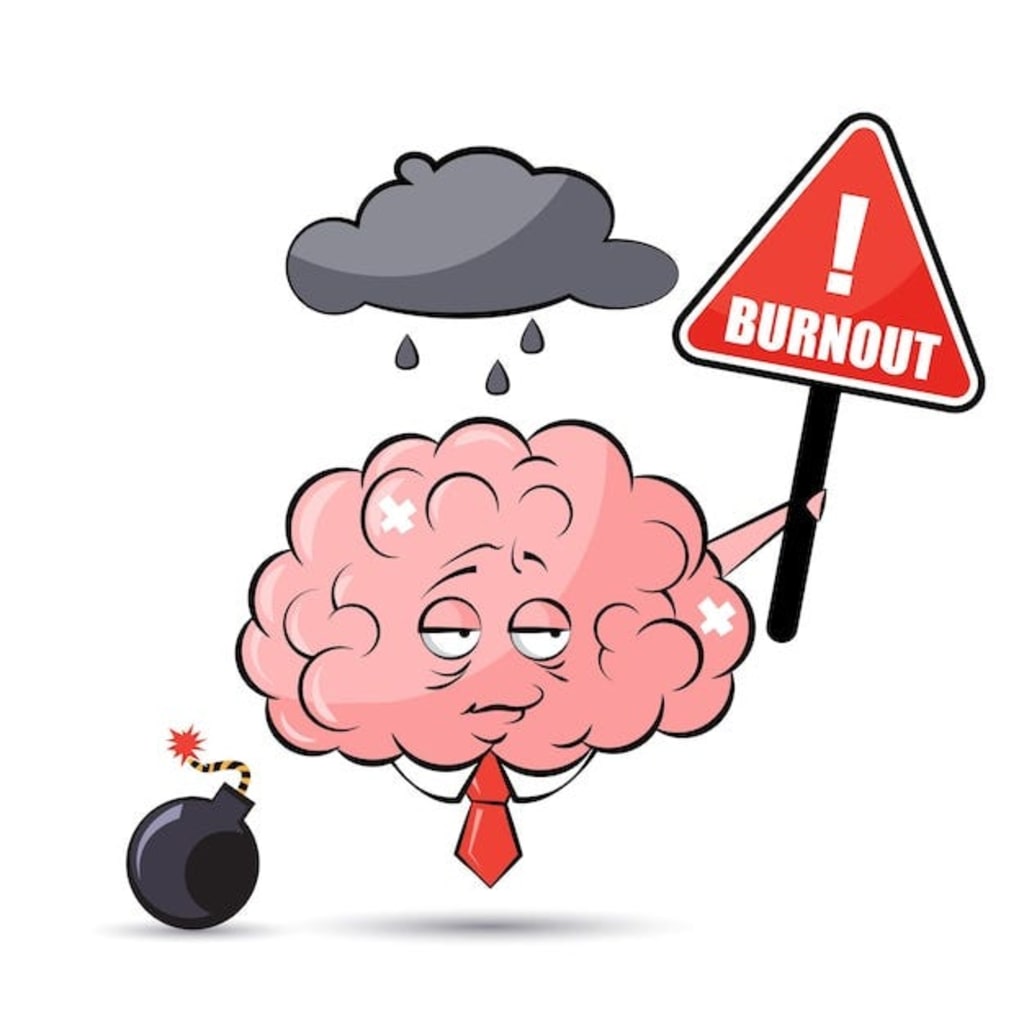
In a meeting today, hearing the arguments between the participants, I came to a realization. I figured out a reason why it's difficult for us to understand each other, I’ll preface this by saying initially I thought most, if not all of the disagreements I observed came from either bad communication or antagonistic motives. However, listening to this meeting I realized something else which I believe is much more of a culprit than everything else and it explains why it will be impossible for us to understand each other. Sure, even though bad communication and ulterior motives do play a very significant role in our disagreements with each other, it turns out there is something much more potent that causes a lot of the disagreements we have with each other and that thing is our inability to process & store multiple sources of data at once.
Multiprocessing
The human mind has a natural inclination towards simplicity and making everything simple, it's only people who have gone to such a high level of education who will seek to get a deeper understanding of any issue they are reflecting upon. As you probably guessed, not many people have gone to these extents in school, the average person just knows enough to think rationally.
To put it in simpler terms, we are simple-minded creatures and we like making things simple, this could have been all good and nice except for the fact that we live in a complex world where things are not always that straightforward but rather, they are influenced by many factors.
The problem now is that since our brains are lazy and they don’t like overworking themselves, they tend to try and simplify every problem they get, and to do so, they have to abstract some data, very often the data which we like the least gets thrown out and we end up making decisions just based on the limited biased data we’ve decided to keep. This all happens unconsciously, we aren’t even aware, we don’t even realize how we’ve neglected some part of the data which might have swayed our conclusion and we end up making a very one-sided decision.
Take the justice system for example, when it comes down to a case, investigations have to be done, facts laid out and all these different factors taken into account before a conclusion (sentence) is given, but if this work was handed to a single person even putting at his disposal all of the resources he needs, this person would still choose his intuition and some limited narrative which matches his biases. It's an act of self-preservation done by our brain and not a deliberate attempt to fool us, our brains can’t afford to overwork themselves so they choose to give us the simplest answer to understand.
Why we disagree
The information we have is already very limited and we have a brain that is focused on making things simple even if it means throwing out pertinent information which makes it in such a way that we end up not reaching unbiased and objective conclusions but rather the conclusions which are the easiest for us to understand and which fit what we prefer.
This explains why conspiracies are so prevalent these days, it's proven to be difficult to make sense of it all so we come up with a crazy-sounding story that is easy to understand even though it doesn’t make much sense. I’m not saying that we need to be geniuses to agree with each other, the fact of the matter is that for us to agree with each other we must be able to understand ourselves, which won’t be possible to do when we don’t have the same information or don’t process it in the same manner. When I look at some disagreements, it's clear that one person holds a strong opinion based on the large amount of information they have meanwhile the other party in an attempt not to get confused, holds on to the little bit of information he has unwaveringly.
How can we possibly understand ourselves when we don’t have the same information or don’t think in the same way? Its quite difficult to do and inevitably leads us to more conflicts.
Make it simple to understand
A trick we can use to ensure that we come to an understanding with everyone is to make sure the explanation is easy to understand, in which case a person gets to choose whether they agree or not. When the explanation is way too complex and filled with so many layers that require a person to unpack, eventually their brain gives up and falls back on the information they already have, which can be very limited. The person in front of you isn’t always going to be a very educated person capable of understanding multiple layers of reflection, often they are just people trying to validate their emotions and opinions. The easier you make it for them to understand how they feel about what you are saying, the better chance you’ll have at an agreement between you.
It's important to accept that you are not always going to agree with everyone especially when it comes to very subjective topics because our experiences hinge on multiple factors which are different for each of us.
Conclusion
It's easier to understand the other person when we put ourselves in their shoes and try to understand where they are coming from, afterward, it's a matter of explaining things to them in a way their brains can receive without too much pressure on it.
Thanks for reading ☺️
About the Creator
real Jema
If you could say one thing and be heard by the entire world, what would that be?
Lifestyle Solutions To Improve Compatibility In Monogamous Relationships
In monogamous relationships, compatibility is not determined, but it changes with time. According to the psychologist, John Gottman, the shared values, communication styles, and emotional alignment are the major indicators. Couples that know the things that matter to each other, their daily routines, and life aspirations have minimal conflict. With an appreciation that differences are normal, there is no risk of an unrealistic anticipation of perfect conformity. The compatibility increases when couples actively engage in understanding the preferences, habits and needs of each other instead of thinking that they would naturally stay in line as time goes by.
By Robert Smith4 days ago in Humans
Early March 2026: 4 Goals Accomplished
It's early March and I've now accomplished my 4th writing goal for the year of 2026. Before diving into the behind-the-scenes of it... why not tell you up front what that accomplishment was? I was published in a 2nd publication for this year. Published in Helix Literary Magazine out of Central Connecticut State University. You can read it for free right now!
By Stephen Kramer Avitabilea day ago in Writers



Comments (2)
Good one 🏆✍️♦️♦️♦️
A very clear argument. If we could all Make things simple and take the time we really need to talk, humanity could really go places