
Why We're Attracted to the People Who Hurt Us Most
The hidden psychology behind our emotional blind spots in love.

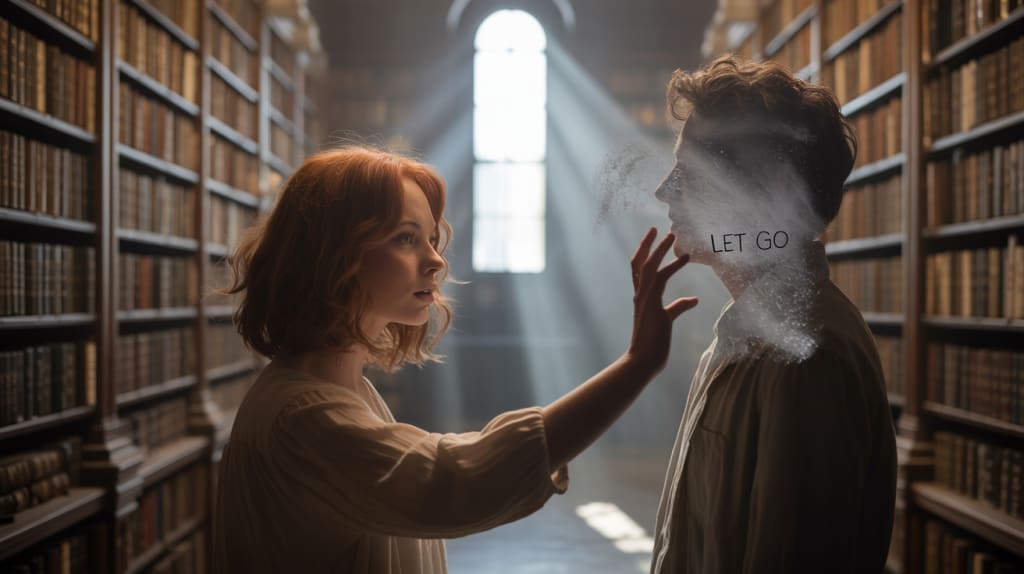
It sounds like a paradox: why do we fall hardest for the people who hurt us most? Why do we stay when we know we should leave? And why do we find ourselves craving attention from those who give us the most pain? The answers lie deep within human psychology, early emotional conditioning, and the way love and trauma often intertwine.
In this article, we’ll unpack the surprising reasons behind this painful attraction, explore the cycles we unconsciously repeat, and discuss how we can break free and choose healthier love. If you've ever felt stuck in a toxic relationship or repeatedly drawn to emotionally unavailable people, you’re not alone.
Section 1: The Familiarity Trap
We are drawn to what feels familiar. If we grew up in environments where love came with strings attached, emotional inconsistency, or neglect, our brains may confuse instability with affection.
Familiar doesn’t mean safe — it just means known.
Our subconscious tries to recreate unresolved childhood dynamics in adult relationships, hoping to finally "fix" them. That’s why people with emotionally distant parents might be attracted to emotionally unavailable partners. It feels like home, even if it hurts.
Psychological Insight:
The brain is wired to seek resolution. That unresolved emotional wound becomes a compass for who we are attracted to.
Section 2: Trauma Bonds & Intermittent Reinforcement
Ever heard of trauma bonding? It’s a powerful psychological response where victims become attached to their abusers through cycles of abuse and occasional kindness.
This is driven by something called intermittent reinforcement — where love, attention, or affection is given unpredictably. Just like a slot machine, the inconsistency keeps us hooked, constantly chasing the next emotional "high."
Why it's addictive:
The lows feel devastating
The highs feel euphoric
Our self-worth becomes tied to earning love

Section 3: The Role of Low Self-Worth
When we don’t feel worthy of unconditional love, we tend to accept the love we think we deserve. People with low self-esteem often tolerate emotional neglect, manipulation, or even abuse, believing that love must be earned through suffering.
Warning signs:
You feel lucky just to be chosen
You’re afraid to speak up or set boundaries
You overextend yourself to keep the other person happy
These behaviors are rooted in fear of abandonment and a distorted view of one’s own value.
Section 4: Romanticizing Pain and Passion
Movies, music, and media often portray intense, painful love as the ultimate form of romance. We’re taught that jealousy equals love, that suffering proves devotion, and that true love always hurts.
This cultural narrative confuses passion with toxicity. The more drama and pain, the more “real” it feels — but in truth, healthy love is often calm, secure, and consistent.
Reality check:
Passion without peace is just emotional chaos. Real love feels safe, not scary.

Section 5: Breaking the Cycle
Awareness is the first step to change. Here’s how to start:
Reflect on Your Past: What kind of love did you grow up with?
Notice Your Patterns: Are you attracted to emotionally unavailable or hurtful people?
Challenge the Familiar: Healthy might feel boring at first — but it's actually healing.
Strengthen Self-Worth: Through therapy, journaling, or affirmations, learn to value yourself.
Set Boundaries: Learn to say no without guilt.
Healing takes time, but it begins with choosing yourself.

Conclusion
We don’t choose who we’re attracted to — not consciously, anyway. But we can choose who we invest in, who we stay with, and what kind of love we believe we deserve.
Being attracted to people who hurt us doesn’t make us broken. It makes us human.
But once we understand why it happens, we gain the power to rewrite the story.
You deserve love that doesn’t hurt. You deserve peace, respect, and emotional safety.
Thank you for reading!
Have you ever found yourself in this pattern? What helped you break free?
👉 Share your story in the comments — you never know who you might help.
💬 Like this article? Tap the like button, subscribe for more insights, and share with someone who needs to hear this. 😊
About the Creator
F. M. Rayaan
Writing deeply human stories about love, heartbreak, emotions, attachment, attraction, and emotional survival — exploring human behavior, healthy relationships, peace, and freedom through psychology, reflection, and real lived experience.
Keep reading
More stories from F. M. Rayaan and writers in Humans and other communities.
Toxic Love Languages: How Manipulation Masquerades as Romance
Love is supposed to feel safe. But what happens when love starts to feel confusing, draining, or even painful? For many people, especially those navigating modern relationships, this feeling isn't unfamiliar. Hidden beneath romantic gestures and sweet words, toxic patterns can thrive — often unnoticed. These patterns are sometimes disguised as "love languages" when, in reality, they are subtle forms of manipulation.
By F. M. Rayaan7 months ago in Humans
I am not alone.
Billu Bhai’s Realization Category: Human Interest / Life Lessons His real name was Bilal, but everyone in the village called him Billu Bhai. He was the eldest child in a large family, with parents, siblings, and relatives all living together. Growing up, Bilal had been quite weak, both physically and mentally. His childhood was marked by illness, which affected his ability to concentrate in school. Learning was a constant struggle, and he barely managed to complete his education up to the tenth grade. Now, at twenty-five, Bilal was hardworking, reliable, and always willing to help others. His father had given him a rickshaw, which became his source of daily income.
By Sudais Zakwan4 days ago in Humans


Comments (3)
I deeply understand the part when it says "Set Boundaries." I also think setting a healthy boundary in a relationship is important, especially when it comes to crossing the line for a few. Thank you!
Deeply relatable mate, great piece again @F. M. Rayaan
Very good content, I really liked your article, can you subscribe to my channel as I have subscribed to your channel ?