
Why is it hard to forget a first love and how does it affect a new relationship?
The Unforgettable First Love: A Rollercoaster That Haunts New Relationships


Ah, first love—the euphoria, the rollercoaster of emotions, and the sweet agony of teenage romance. It's like a nostalgic trip down memory lane, where the heart flutters and the mind replays those awkward yet endearing moments. But why is it so hard to forget? And how does that unforgettable first love affect our subsequent adventures in the tumultuous world of relationships?
The Chemistry of First Love
Let's dive into the science of it all. First love isn't just a mental escapade; it's a biochemical rollercoaster. Our brains are flooded with feel-good hormones—dopamine, oxytocin, vasopressin, and serotonin. It's like a chemical addiction, leaving us intoxicated with the memory. According to psychologist Nilo Dardashti, the uniqueness of first love lies in the fact that our brains have never experienced anything quite like it before.
And when did this magical journey often begin? Well, the teenage years—around 15 to be precise. Professor Catherine Loveday explains that our strongest memories are often from this age, making first love an indelible part of our psyche. Plus, the hormonal chaos of adolescence amplifies every emotion, making the experience feel like a love-induced hurricane.
First Love: A Catalyst for Personal Growth
Psychiatrist and psychologist Holly Schiff argue that first love isn't just about the fuzzy feelings; it's a catalyst for personal growth. It's associated with crucial firsts—first kiss, first intimate moments, and the introduction to the complex world of relationships. Through these experiences, we learn about compromise, what we like, and even the kind of partner we're looking for.
The Template Effect
Now, let's talk about the impact on future relationships. Psychologist Jefferson Singer suggests that first love often becomes a template for subsequent relationships. It shapes our preferences, influencing what qualities we seek or avoid in others. If your first love was all rainbows and sunshine, you might find yourself in perpetual search of that bliss. On the flip side, a tumultuous first love might lead you to unconsciously seek drama in your relationships.
The Perils of Holding On
But here's the catch: not all first loves end in happily-ever-afters. If your first relationship was unstable and unhealthy, seeking similar ups and downs might become a pattern. Nilo Dardashti warns that people often compare their current relationships to their first love, trying to match their feelings to that initial definition of love. A calm relationship might feel fake compared to the rollercoaster of emotions they experienced in their youth.
Psychotherapist LeslieBeth Wish chimes in, emphasizing that if the first love didn't go as planned, it leaves a mark. A sudden breakup might instill a fear of getting close to someone new or a lingering worry that history might repeat itself.
Navigating the Maze: Practical Advice
So, how do we navigate this maze of first love nostalgia and its impact on new relationships? First and foremost, recognize that the past doesn't dictate the future. Break free from the template effect by consciously evaluating what qualities truly matter to you in a relationship.
Learn from your first love experiences. If it was tumultuous, reflect on what went wrong and strive for healthier dynamics in future relationships. Embrace the lessons, not the baggage.
Communicate openly with your partner about your past. Sharing your experiences fosters understanding and helps both of you navigate any potential challenges stemming from lingering first love emotions.
In conclusion, while first love might be unforgettable, it shouldn't overshadow the potential for new and fulfilling relationships. Break free from the shackles of the past, learn, grow, and embrace the exciting journey of love with open arms—and maybe a touch of humor. After all, laughter is the best remedy for a heart still healing from the echoes of that unforgettable first love.
About the Creator
Keep reading
More stories from Did you know? and writers in Humans and other communities.
Why We Stare at Slow Drivers
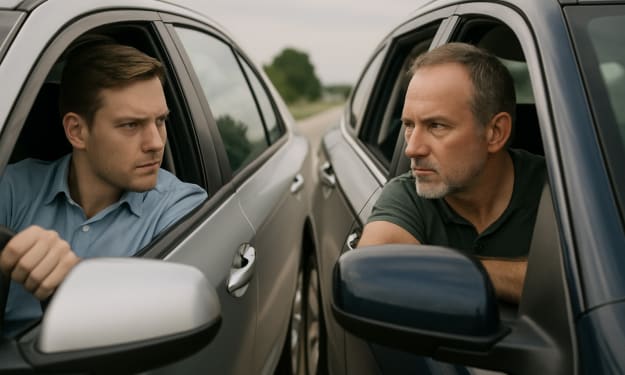
Most drivers perform a strange ritual they never talk about. Someone ahead of them is moving so slowly it stretches patience to its thinnest thread. Once the gap opens and they can finally accelerate past, the same thing happens every time. They look. They turn their head just enough to catch a glimpse inside the other car. It feels automatic and unnecessary, but the body does it without taking a vote. The stare is not rudeness, and it is not about proving a point. It is part of a deeper behavioral process that starts the moment another driver interferes with your rhythm.
By Dr. Mozelle Martin7 days ago in Humans



Comments
There are no comments for this story
Be the first to respond and start the conversation.